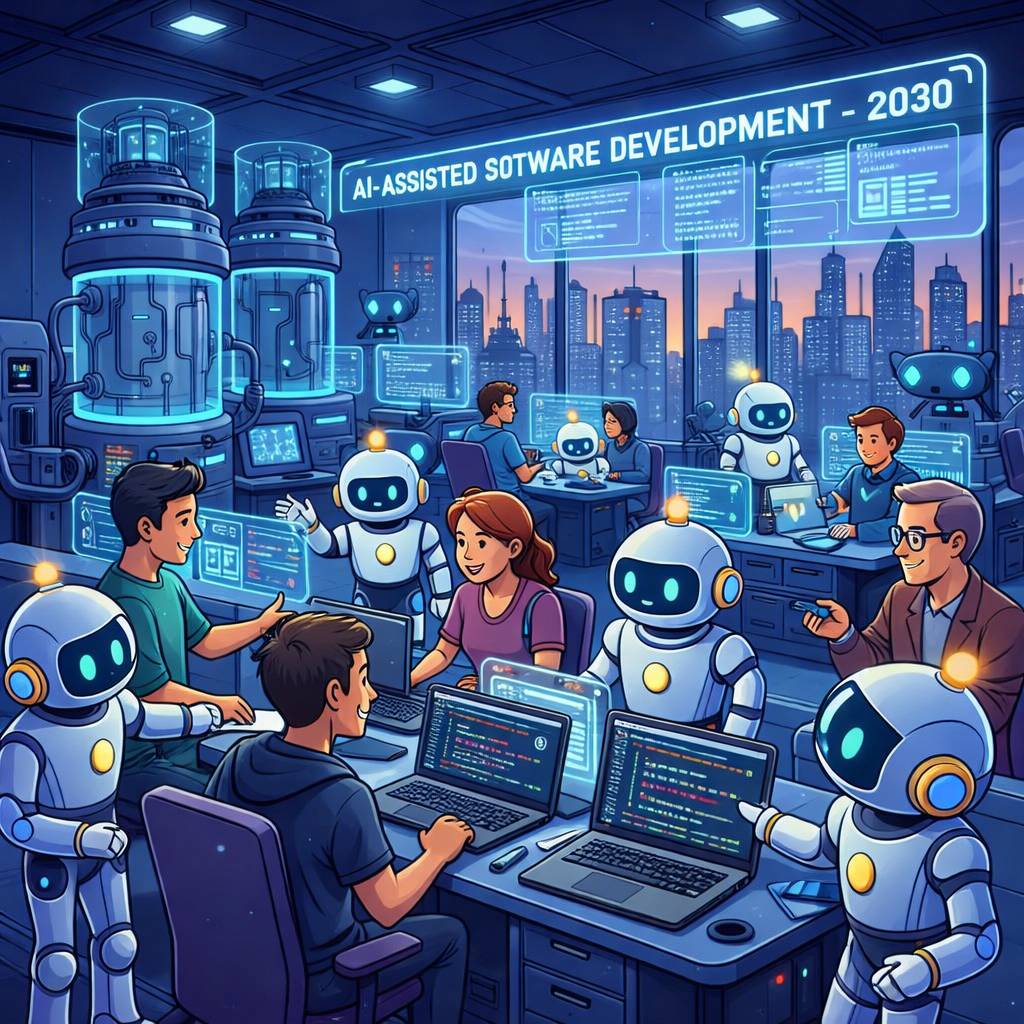
The landscape of software development has undergone a significant transformation just like many other industries in recent years. Gone are the days of tedious coding, endless testing, and frustrating deployments.
Today, AI-assisted coding tools have become an integral part of the development process, with a staggering 80% of developers relying on them to streamline their workflows.
These AI-powered tools are not just a nicety, but a necessity for developers seeking to boost productivity and automate routine tasks. By automating tasks such as coding, testing, deployment, and documentation, AI software development is transforming the way software is built. The result is a highly automated, end-to-end process that accelerates every stage of the development lifecycle.
As AI software development gains momentum, the focus of developers is shifting from coding to higher-level tasks like architecture design and AI prompt orchestration. This new paradigm requires an updated set of skills, with developers needing to understand how to work with AI models, design robust architectures, and craft effective AI prompts.
The implications of this shift are profound. With AI automating routine tasks, the need for manual coding is decreasing. This raises questions about the future of software development as a career choice.
Will the increased automation of tasks lead to a decrease in job opportunities for developers? Or will it open up new avenues for innovation and creativity? In today’s post, we will explore the current status and near future of software development, and examine whether we are witnessing the end of what used to be a great career choice just a few years ago.
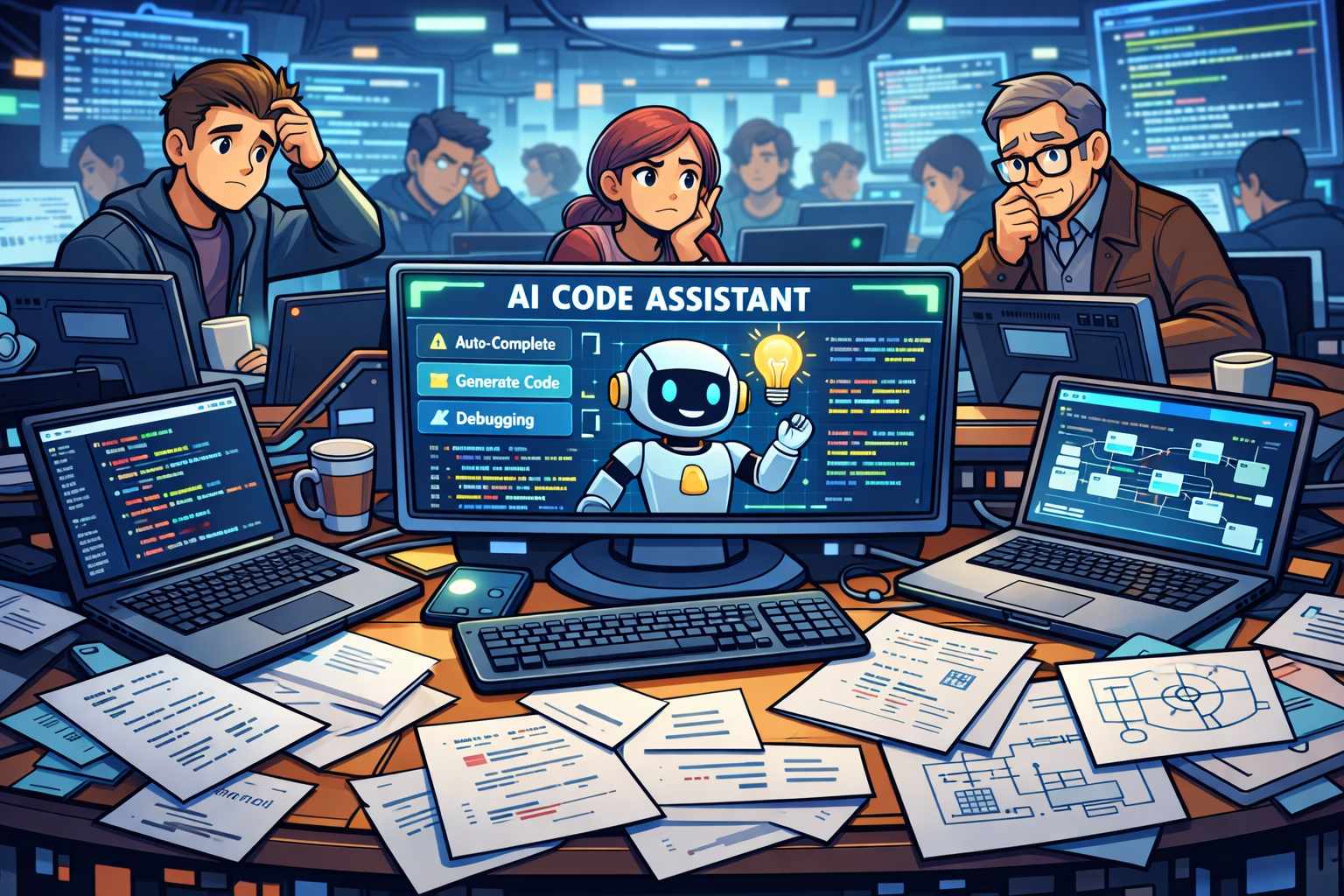
A Shifting Landscape: The Future of Engineers in AI Software Development
Software engineers were one of the highest demanded professions of the last decade. This profession requires highly skilled and technically savy people who possess a unique blend of creativity, problem-solving skills, and technical expertise.
However, with the emergance of generative AI, this longly certain great career is undergoing one of the biggest disruptions. Next-generation AI tools are evolving from simple suggestion helpers to proactive planners that write, test, debug, and integrate code autonomously.
AI-driven Integrated Development Environments (IDEs) and autonomous agents are moving beyond simple code suggestions to manage tasks like debugging, Continuous Integration/Continuous Deployment (CI/CD) automation, and quality checks. This paradigm shift is poised to further revolutionize the software development field.
As AI tools become increasingly sophisticated, the role of software engineers is evolving. While AI will certainly augment the capabilities of human developers, it is also creating new opportunities for professionals to focus on higher-level tasks that require creativity, critical thinking, and strategic vision. With the help of AI assistants, developers can now concentrate on complex problem-solving or architecture design.
Organizations report dramatic productivity gains when embedding AI assistants into development workflows. By automating routine tasks and freeing up developers to focus on high-value activities, AI is enabling teams to deliver software solutions faster, with higher quality, and at lower costs.
As we move forward in the era of AI software development, one thing is clear: the future of software engineering will be shaped by the symbiotic relationship between human creativity and AI-driven capabilities.
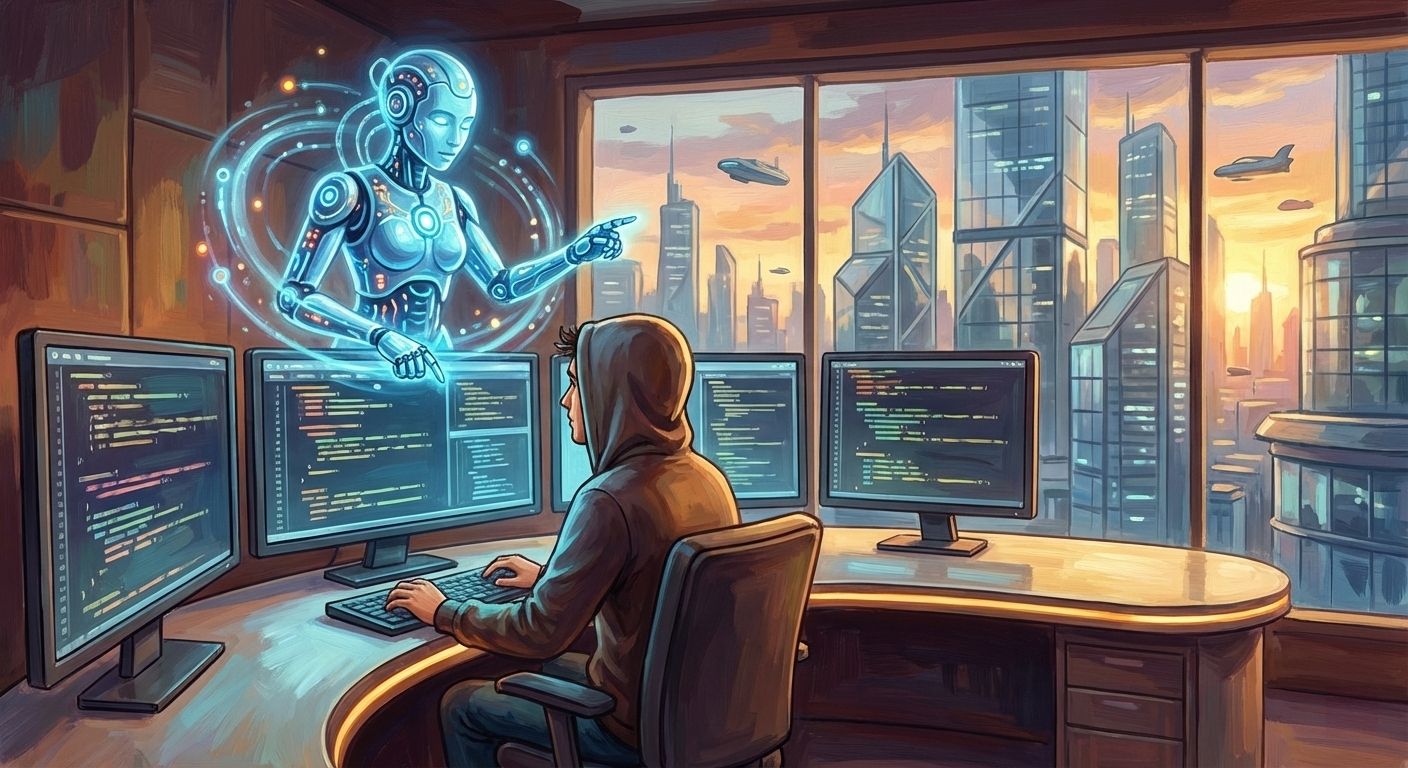
The Rise of Vibe Coding
Imagine a world where developers can describe their desired outcomes in natural language, without having to write a single line of code. A few years ago, it would be very futuristic idea, right?
Welcome to the current world of vibe coding, where the boundaries between human code and machine-generated code are blurring. This emerging paradigm is transforming the way we approach software development, making it more accessible and efficient than ever.
At its core, vibe coding relies on artificial intelligence to generate code based on natural language descriptions. This approach extends far beyond coding, reshaping the entire software delivery lifecycle. AI integration is becoming ubiquitous in DevOps, CI/CD, testing, and monitoring, making it easier for developers to focus on high-level thinking and strategic decision-making.
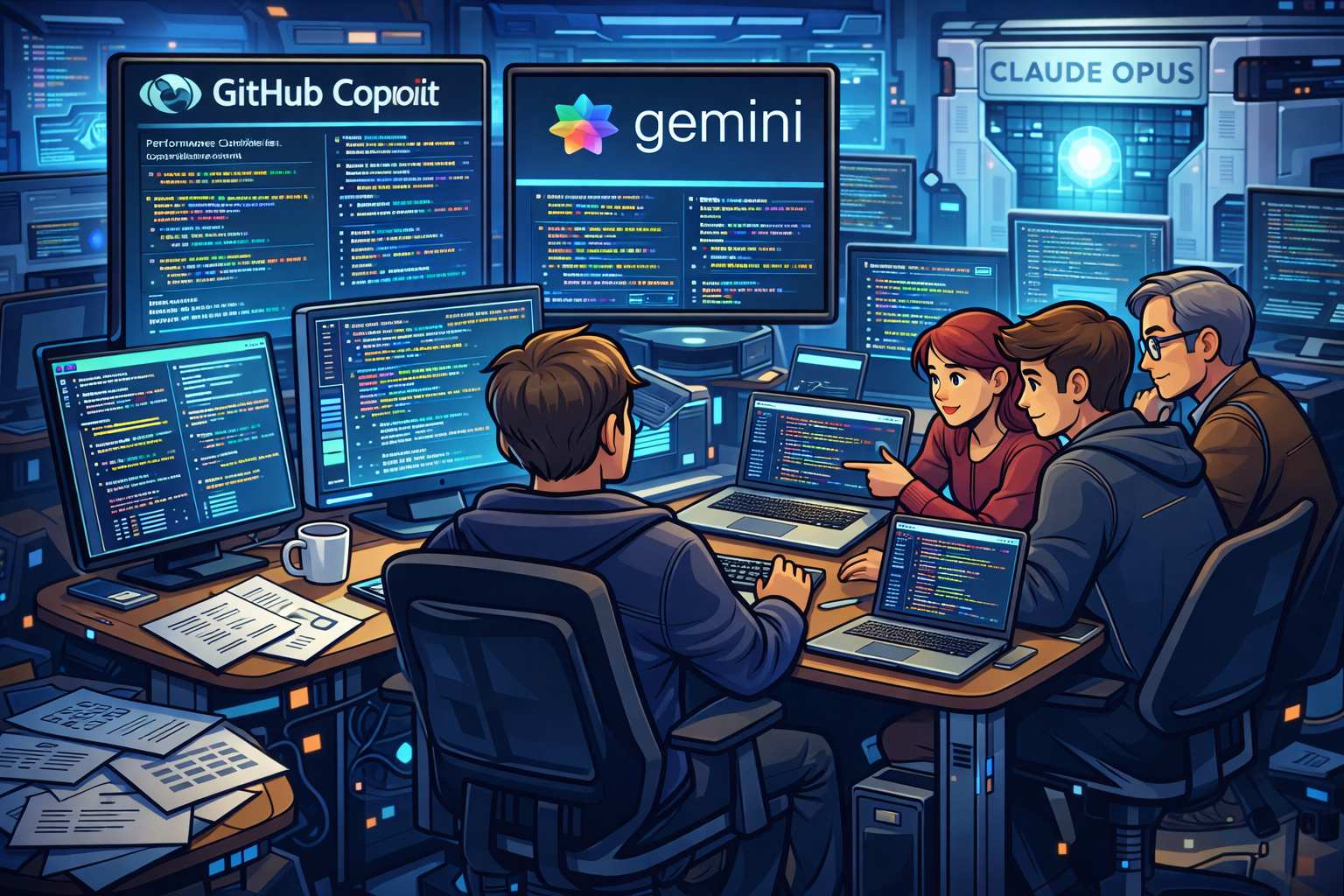
Tools like GitHub Copilot, Gemini, and Claude Opus are leading the charge in AI-powered code generation. These tools can produce large percentages of code, significantly reducing the time spent on boilerplate work and accelerating prototyping.
With AI software development becoming increasingly prevalent, developers can now focus on higher-level tasks, such as designing and architecting systems, rather than getting bogged down in mundane coding tasks.
The implications of vibe coding are far-reaching, promising to revolutionize the software development industry. As AI continues to advance, we can expect to see even more sophisticated tools and platforms emerge, further blurring the lines between human and machine collaboration.
One thing is certain – the future of software development is ltightly bound with AI at the forefront of this transformation.
The Double-Edged Sword of AI: Opportunities and Challenges
The advent of Artificial Intelligence has brought about a paradigm shift in the way we approach tasks, and its impact on the software development industry is undeniable.
On one hand, AI is creating opportunities for speed, quality, and efficiency in various sectors. It’s no longer a question of whether AI is a game-changer, but rather, how we can harness its power to drive innovation and growth. The ability to automate mundane tasks, analyze complex data, and provide personalized experiences has revolutionized the way businesses operate.
However, alongside these benefits comes a set of challenges that companies must address. Trust gaps, security risks, and the threat of job displacement are some of the pressing concerns and software companies must align as well.
Furthermore, the reduced learning opportunities for junior professionals, as AI software development takes over routine tasks, is a pressing issue that needs to be addressed.
Despite these challenges, surveys indicate that most companies have moved from experimenting with AI to formal adoption. The focus has shifted from “can we use AI?” to “how can we use AI effectively?” and “what are the governance, ethics, and compliance implications of AI adoption?”
The industry is witnessing a significant shift in priorities, with companies emphasizing the importance of responsible AI adoption.
Market forecasts project sustained expansion in AI development tools, with autonomous coding expected to handle the majority of routine tasks by 2027-2030. As AI continues to transform the industry, it’s essential to strike a balance between leveraging its power and addressing the challenges that come with it.
Does It Sound Too Good To Be True?
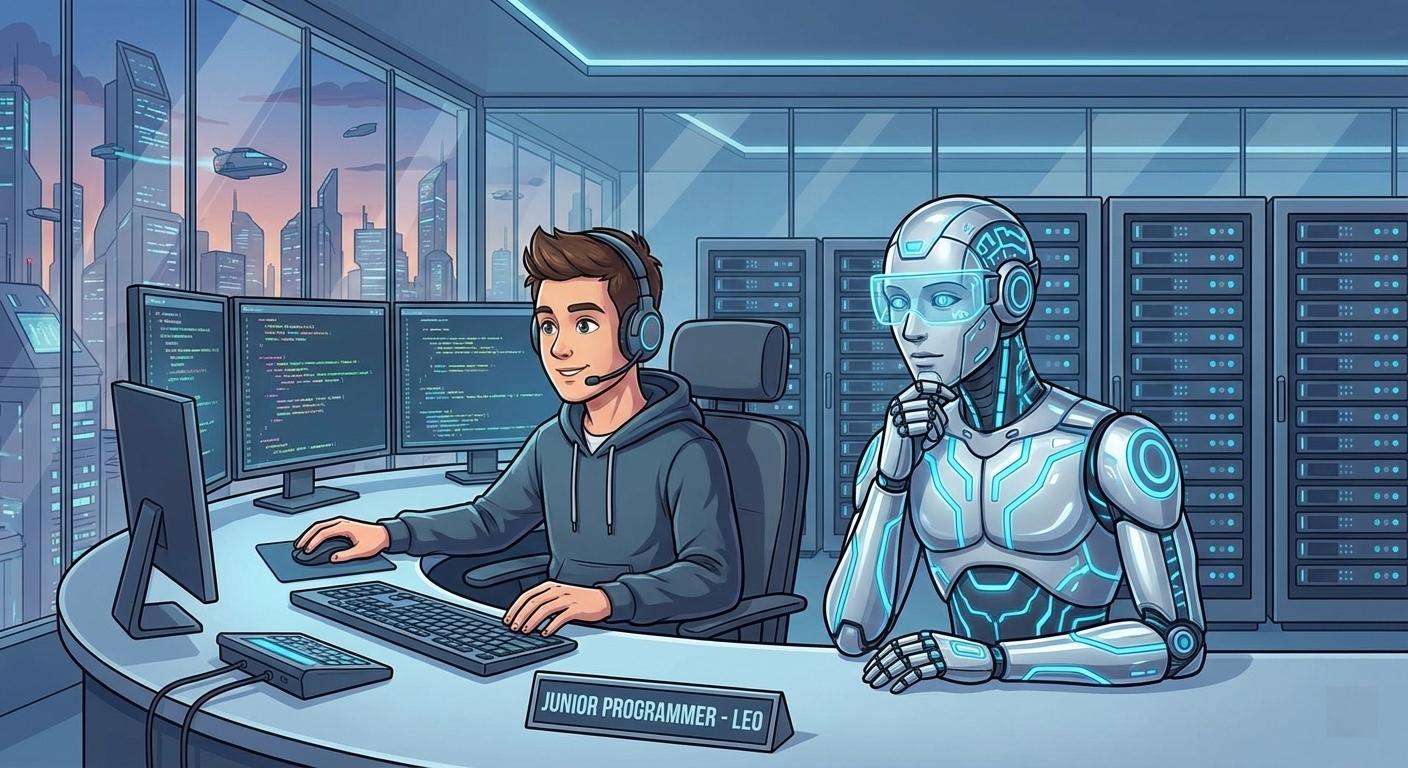
Even with big disruption, there is a number of challenges that need to be overcomed. Despite rapid progress, today’s AI systems still rely heavily on human oversight and struggle with deep system understanding and long-term maintenance.
It’s a sobering reality that, despite the hype surrounding AI software development, we’re still far from achieving true autonomy in coding. The need for human intervention is a constant reminder that AI has a long way to go before it can truly take the reins.
Most real-world software complexity lies in requirements, edge cases, and organizational constraints that AI cannot fully reason about yet. The intricacies of software design are rooted in human intuition, experience, and context – factors that AI systems struggle to replicate.
As a result, even the most advanced AI tools require human oversight to ensure that they’re functioning as intended.
Many productivity gains come from augmenting existing workflows rather than fundamentally replacing how software is designed and built. Instead of relying on AI to rewrite the rules, we’re seeing more and more developers leveraging AI to augment their existing skills.
By combining the strengths of human ingenuity with the power of AI, we can unlock new levels of productivity and efficiency in AI software development.
Historically, new development tools promised disruption but ultimately reinforced the need for skilled engineers rather than eliminating it. From IDEs to agile methodologies, each new innovation has promised to revolutionize the way we code – only to ultimately rely on the expertise of seasoned developers to truly deliver.
As we continue to push the boundaries of AI software development, it’s essential that we acknowledge the limitations of AI and focus on creating tools that augment human capabilities, rather than replacing them.
Entry Level Roles Under Biggest Pressure
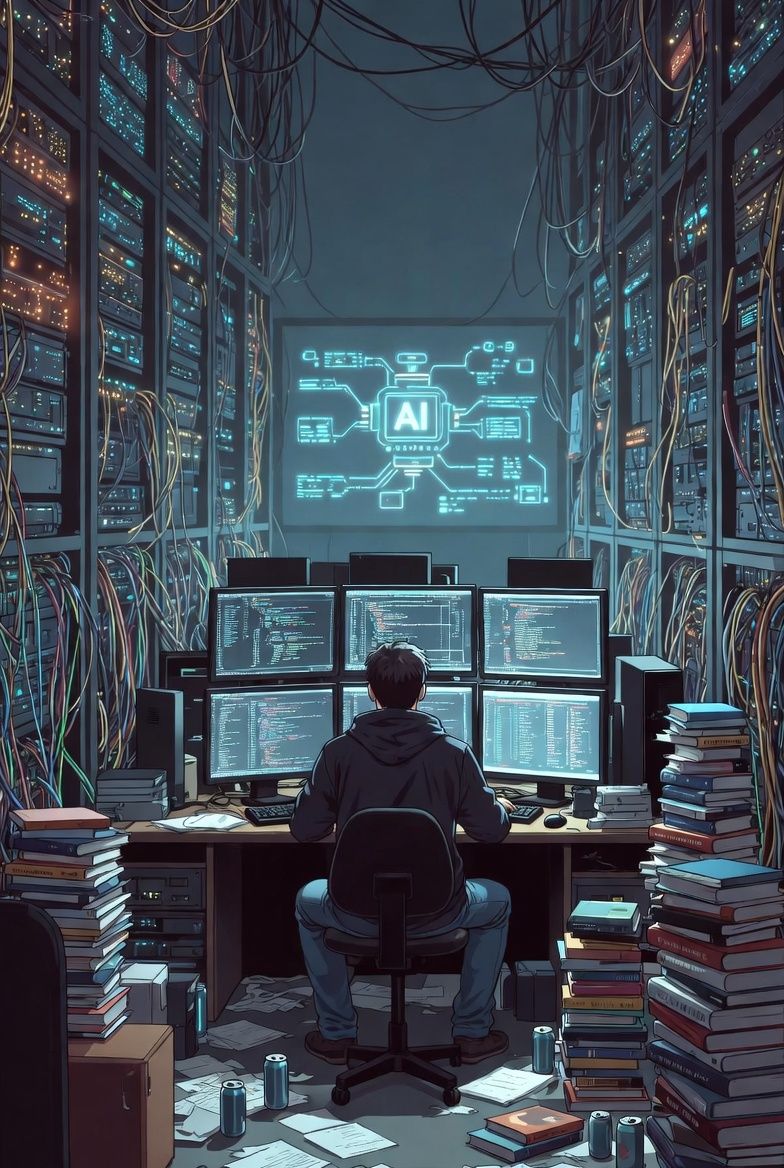
Junior developer skill development is changing, raising concerns about over-reliance on AI and long-term engineering depth.
The way we think about junior developer skill development is shifting rapidly. Gone are the days of solely focusing on coding skills and problem-solving techniques. Today, the emergence of AI coding tools has created a new landscape where the lines between human and artificial intelligence are blurring.
The most pressing concern is the risk of over-reliance on these tools, which might lead to a gradual decline in long-term engineering depth.
AI coding tools have a fast-growing market (multi-billion-dollar trajectory), signaling broad enterprise adoption and technology investment. It’s clear that AI is becoming an integral part of the software development process. While these tools can significantly accelerate development speed and improve code quality, they also raise questions about the role of junior developers.
The growth of AI software development is expected to continue, with a focus on quality and ethics. As AI takes on more responsibilities, there’s a growing need for developers to understand the intricacies of AI-driven systems. This means that junior developers will need to develop skills that complement AI, not just coding, but mainly critical thinking and problem-solving.
To stay ahead of the curve, junior developers must be equipped to work alongside AI tools, identifying areas where they can add value and creativity. By doing so, they’ll not only maintain their relevance in the industry but also contribute to the creation of innovative, AI-driven solutions that shape the future of software development.
As the AI software development landscape continues to evolve, it’s essential to strike a balance between human ingenuity and technological advancements.
AI Changes the Field, But Doesn’t Kill Jobs (Yet)
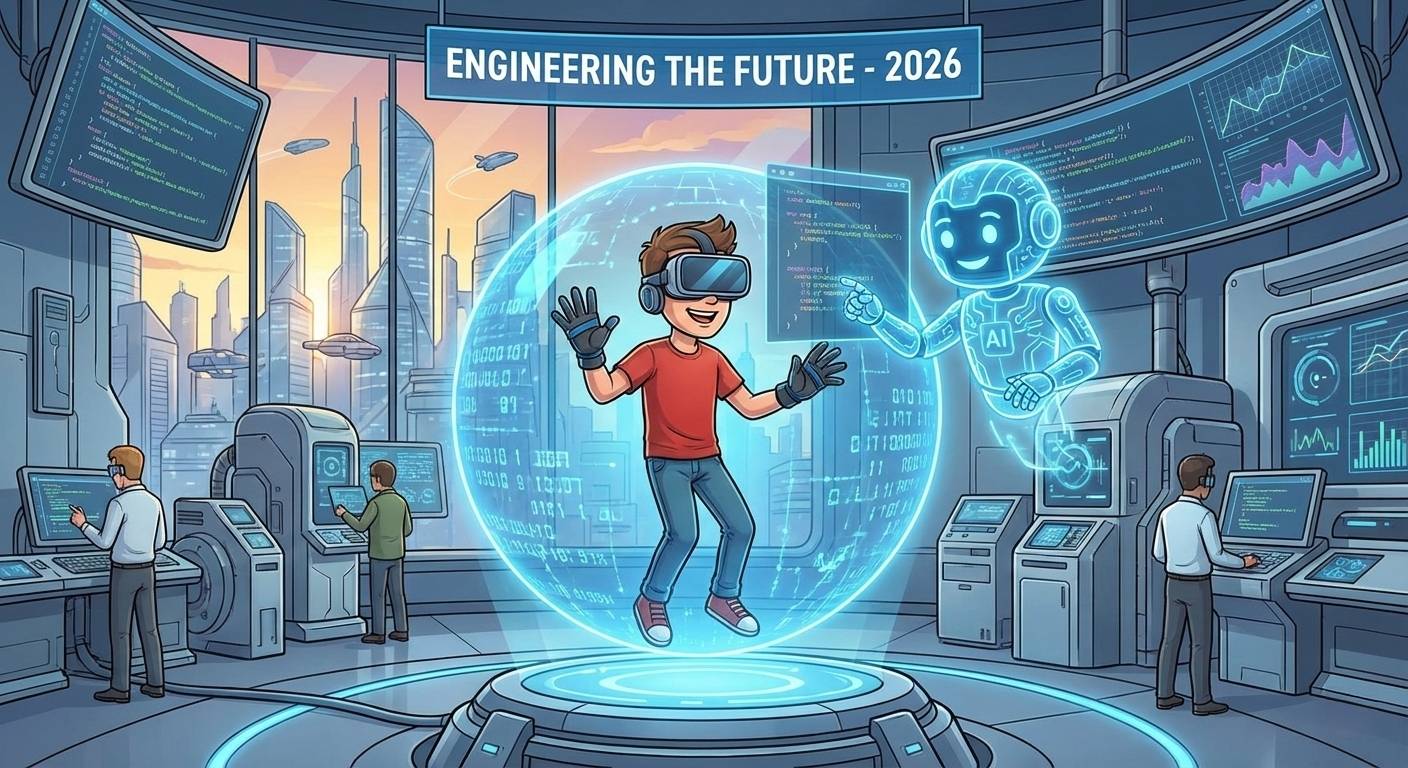
As we conclude our discussion on the evolving landscape of software development, it’s clear that the integration of AI is revolutionizing the way we create software. Organizations are adopting AI software development tools at an increasing rate, with a focus on boosting productivity, automating tedious tasks, and enhancing overall quality.
This shift is driven by the need to stay competitive in today’s fast-paced digital environment.
The rise of AI in development is creating opportunities and challenges, but also promises deeper integration into software engineering. As AI becomes more pervasive, we’re seeing the emergence of new roles and responsibilities, not just removing job positions. Software professionals will still play a crucial role in ensuring that AI systems are developed and deployed responsibly.
Looking ahead, the future of AI software development looks promising. With a focus on oversight, architecture design, and AI prompt orchestration, we can expect to see more sophisticated AI systems that are better aligned with business values.
This will involve the development of more transparent and explainable AI models, as well as the creation of new tools and frameworks for further productivity gains.
As we move forward, it’s essential to strike a balance between the benefits of AI software development and the potential risks. By doing so, we can unlock the full potential of AI and create software that is more intelligent, more efficient, and more effective.
Do you think that AI will eventually replace software engineers, or we are still very far away from such a reality? Let us know in the comment section!