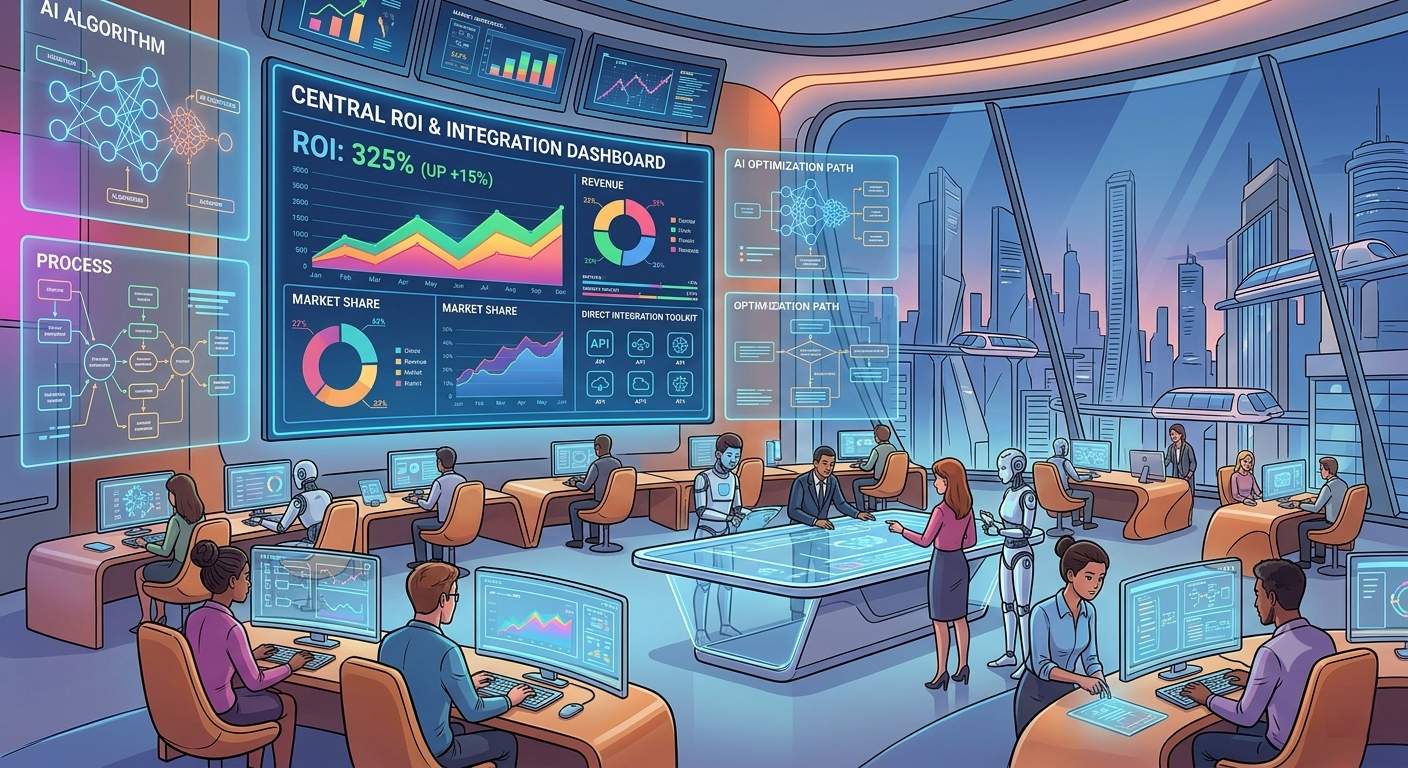
The next major AI wave is shifting from public chatbots toward internal enterprise AI tools. For too long, businesses have been experimenting with public-facing chatbots, often with limited success. However, the real potential of AI lies in its ability to streamline internal processes and boost efficiency. Internal AI systems are having a profound impact on the way businesses operate, and it’s time to take notice.
One of the key advantages of internal AI systems is their ability to deliver immediate ROI. By automating routine tasks, these systems can save engineering hours, reduce support costs, and increase operational efficiency. In an era where every minute counts, businesses can ill afford to waste time and resources on manual processes. Internal AI tools are changing the game by providing a measurable return on investment.
Unlike consumer AI apps, internal AI systems require direct integration with existing workflows. This means that businesses can’t just plug in a new AI tool and expect it to work seamlessly. Instead, they need to carefully consider how the AI system will interact with their existing systems and processes. This requires a more strategic approach to implementing AI, but the rewards are well worth the effort.
As businesses continue to explore the potential of internal AI tools, we’re seeing a new wave of innovation emerge. From predictive maintenance to automated customer support, internal AI systems are being used to drive real business value. It’s time for businesses to shift their focus from public chatbots to internal enterprise AI tools. By doing so, they’ll be able to unlock the true potential of AI and drive meaningful change within their organizations.
Internal AI Use Cases
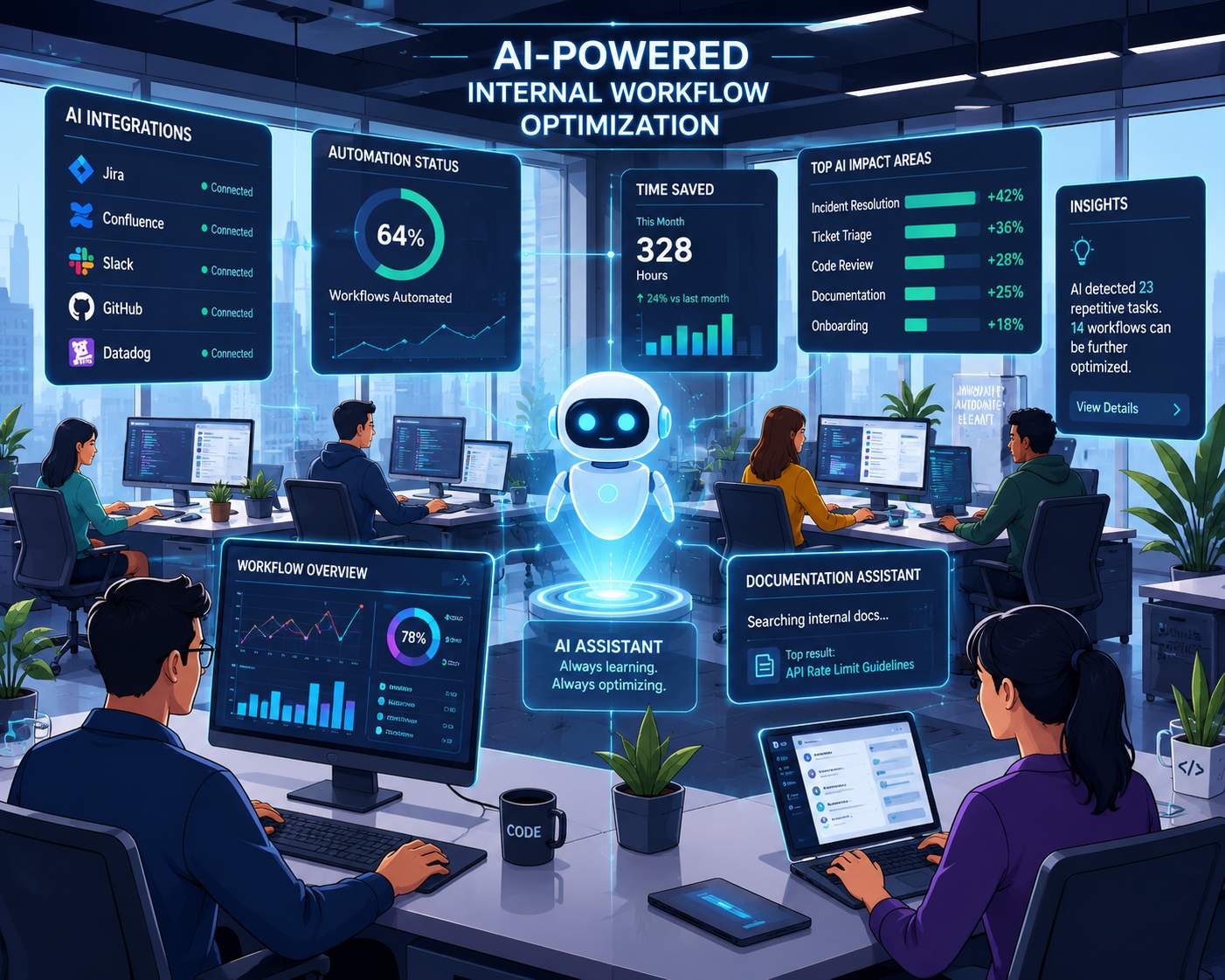
The future of work is being shaped by the widespread adoption of internal AI tools. One of the most exciting and rapidly growing use cases is Support Copilot, which is transforming the way teams handle customer support. This innovative technology assists teams with ticket summarization and response drafting, freeing up valuable time for more critical tasks.
But that’s not all – AI-powered log assistants are also making waves in the engineering world. By allowing engineers to query production logs using natural language, these assistants are revolutionizing the way we approach troubleshooting and issue resolution. No longer do engineers have to sift through lines of code or search through endless log files – with AI-powered log assistants, they can simply ask the system for the information they need.
Another significant advantage of internal AI tools is the way they’re replacing traditional keyword search systems. Internal semantic search systems are changing the game by providing a more intuitive and personalized search experience. By understanding the context and intent behind a search query, these systems can deliver more accurate and relevant results – making it easier for teams to find the information they need, when they need it.
As internal AI tools continue to advance, we can expect to see even more innovative use cases emerge. From automating routine tasks to enhancing collaboration and productivity, the possibilities are endless. Whether you’re a team leader, a developer, or a customer support specialist, internal AI tools are worth exploring – and we’re excited to see the impact they’ll have on the future of work.
Technical Challenges and Solutions
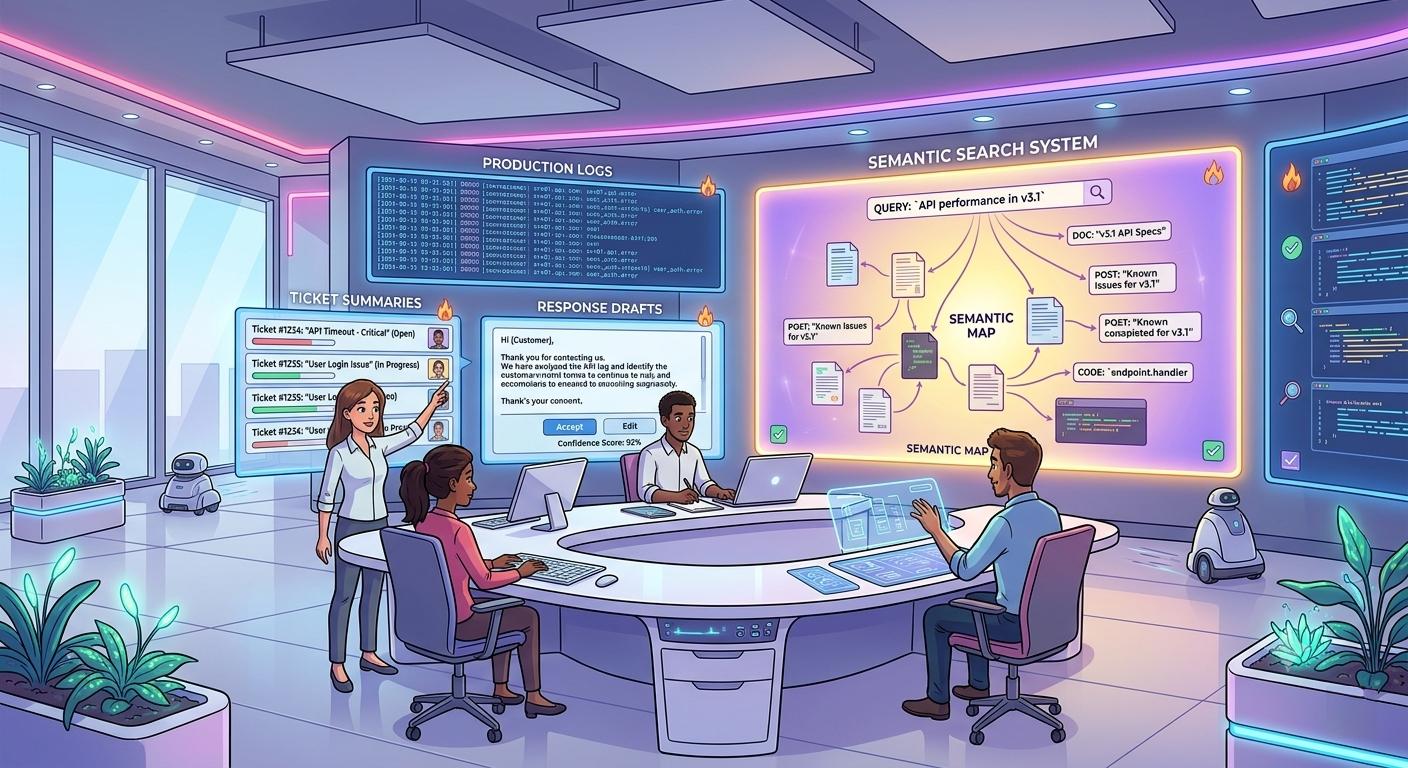
When embarking on the journey of internal AI adoption, organizations often underestimate the complexity of implementing AI solutions that are secure, reliable, and scalable. Two critical technical challenges that AI teams face today are securing data access and permission boundaries, and mitigating model failures through grounding and hallucination prevention.
Firstly, securing data access and permission boundaries is essential to prevent unauthorized access to sensitive information. With internal AI tools, employees and teams may need to access different datasets, models, and infrastructure, which requires robust access control mechanisms. Implementing role-based access control (RBAC), attribute-based access control (ABAC), and data encryption can help safeguard data and prevent data breaches.
Secondly, grounding and hallucination mitigation are crucial to prevent model failures. Grounding refers to the ability of AI models to understand the context and semantics of the input data, while hallucination refers to the tendency of models to generate outputs that are not grounded in reality. By using techniques such as data augmentation, transfer learning, and few-shot learning, AI teams can improve the grounding and robustness of their models.
Modern enterprise AI architectures often combine FastAPI microservices and vector databases to address these challenges. FastAPI provides a scalable and efficient framework for building microservices, while vector databases enable efficient storage and retrieval of high-dimensional data. By leveraging these technologies, organizations can build secure, scalable, and reliable AI systems that integrate seamlessly with internal AI tools, enabling employees to access and utilize AI capabilities efficiently and effectively.

Effective AI Implementation
When it comes to harnessing the power of artificial intelligence, one key principle stands out: AI systems work best as assistants inside existing workflows. By integrating AI into your company’s daily operations, you can unlock new levels of efficiency, accuracy, and productivity.
But what does this look like in practice? For starters, companies should focus on leveraging proprietary internal data. This means harnessing the valuable insights hidden within your own systems, rather than relying on external sources. By doing so, you’ll not only reduce the risk of data breaches but also ensure that your AI solutions are tailored to your unique business needs.
The next step is to prioritize workflow integration. This involves seamlessly incorporating AI-powered tools into your existing processes, making it easy for employees to adopt and use them. By doing so, you’ll not only streamline operations but also create a more cohesive and efficient work environment.
Internal AI tools require smaller datasets and lower marketing costs, making them an attractive option for businesses on a budget. Plus, since they’re built in-house, you’ll have complete control over their development and deployment. This means you can customize them to meet your specific needs, rather than trying to adapt generic solutions.
By following these principles, you can unlock the full potential of AI and take your business to the next level. Remember, the goal is to create a symbiotic relationship between AI and your existing workflows, not to replace traditional processes with automated ones. By working together, you’ll be able to drive real growth, innovation, and success.
Emerging Trends and Roles
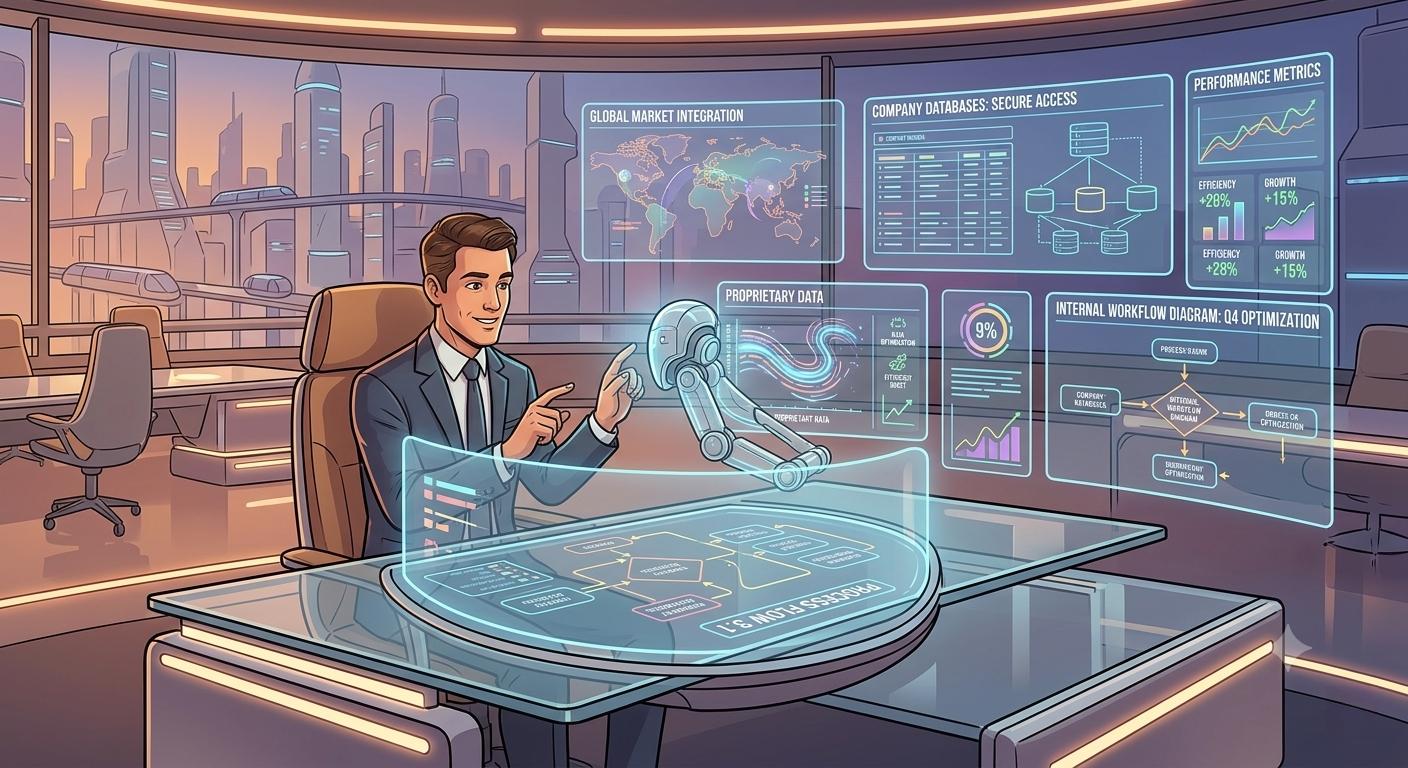
The AI landscape is shifting rapidly, and companies must adapt to stay ahead. AI infrastructure engineers are no exception. As we move forward, these experts will specialize in two critical areas: retrieval systems and agent orchestration. Retrieval systems will enable faster and more accurate data retrieval, while agent orchestration will allow for the seamless coordination of AI agents, usually powered by MCP servers.
But what does this mean for companies? In the future, we can expect to see a significant shift towards prioritizing internal AI tools over public AI startups. Gone are the days of relying on external solutions; companies will instead invest in developing their own proprietary AI systems. This approach offers several benefits, including greater control, customization, and scalability.
But what’s driving this trend? The answer lies in data. The long-term competitive advantage will come from proprietary internal data, which will be used to fuel AI systems and drive business decisions. Companies that can collect, store, and analyze large amounts of high-quality data will have a significant edge over their competitors.
As a result, companies will need to invest in data management and AI infrastructure. This will require a significant shift in resources and expertise, but the payoff will be worth it. By developing their own internal AI tools, companies can create a competitive advantage that’s difficult for others to replicate. It’s time to rethink the way we approach AI and focus on building internal systems that drive business value. By doing so, companies can stay ahead of the curve and thrive in a rapidly changing landscape.
Moving From Cloud To Local Models
As we’ve explored the world of internal AI tools, it’s clear that the trend is here to stay. The shift to internal AI tools is driven by immediate return on investment (ROI) and direct workflow integration, making it a no-brainer for businesses looking to streamline their operations and stay ahead of the competition.
But effective AI implementation requires careful consideration of technical challenges. AI systems are only as good as the data they’re trained on, and getting that data to be accurate and relevant can be a major hurdle. Additionally, integrating AI systems into existing workflows can be a complex and time-consuming process, requiring significant resources and expertise.
Despite these challenges, internal AI tools will continue to play a vital role in enterprise adoption and competitive advantage. As the technology continues to evolve and improve, we can expect to see even more innovative applications of AI in the workplace. From automating routine tasks to providing insights and recommendations, AI has the potential to revolutionize the way we work.
As businesses continue to invest in internal AI tools, we can expect to see significant returns in terms of productivity, efficiency, and innovation. By leveraging the power of AI to drive business outcomes, companies can gain a competitive edge and stay ahead of the curve. With the right strategy and implementation, internal AI tools can be a game-changer for businesses of all sizes and industries.
Ultimately, the key to successful AI implementation is finding the right balance between technical innovation and business outcomes. By understanding the potential and limitations of internal AI tools, businesses can unlock new levels of productivity, efficiency, and innovation.