Using AI tools is becoming very expensive. Instead of broader usage, there are pushbacks from companies to limit their AI spending.
Uber burned through its entire 2026 AI coding tools budget in just four months – monthly API costs per engineer ranged from $500 to $2,000 – and the CTO said he was “back to the drawing board,” making Uber the most visible example of a new industry-wide problem: AI tools that work too well to afford at scale.
As companies continue to rely on AI tools to drive innovation and efficiency, they’re facing a harsh reality: the cost of these tools is soaring. The rising expense is forcing many businesses to reevaluate their AI strategy and look for ways to cut costs without sacrificing performance.
For instance, companies are starting to prioritize AI tools cost optimization, by adopting more cost-effective solutions and streamlining their AI workflows. This approach not only helps to reduce expenses but also enables businesses to stay competitive in a rapidly evolving market.
However, finding the right balance between AI adoption and cost control is a delicate task. Companies need to invest in AI tools that deliver tangible value and integrate them seamlessly into their existing infrastructure. This requires a deep understanding of the business needs and a clear vision for AI implementation.
As the industry grapples with the challenges of AI cost management, one thing is clear: the future of AI adoption will depend on finding innovative solutions to the growing expense problem. Companies that can effectively navigate this landscape will be well-positioned to capitalize on the opportunities presented by AI, while those that fail to adapt may find themselves left behind.
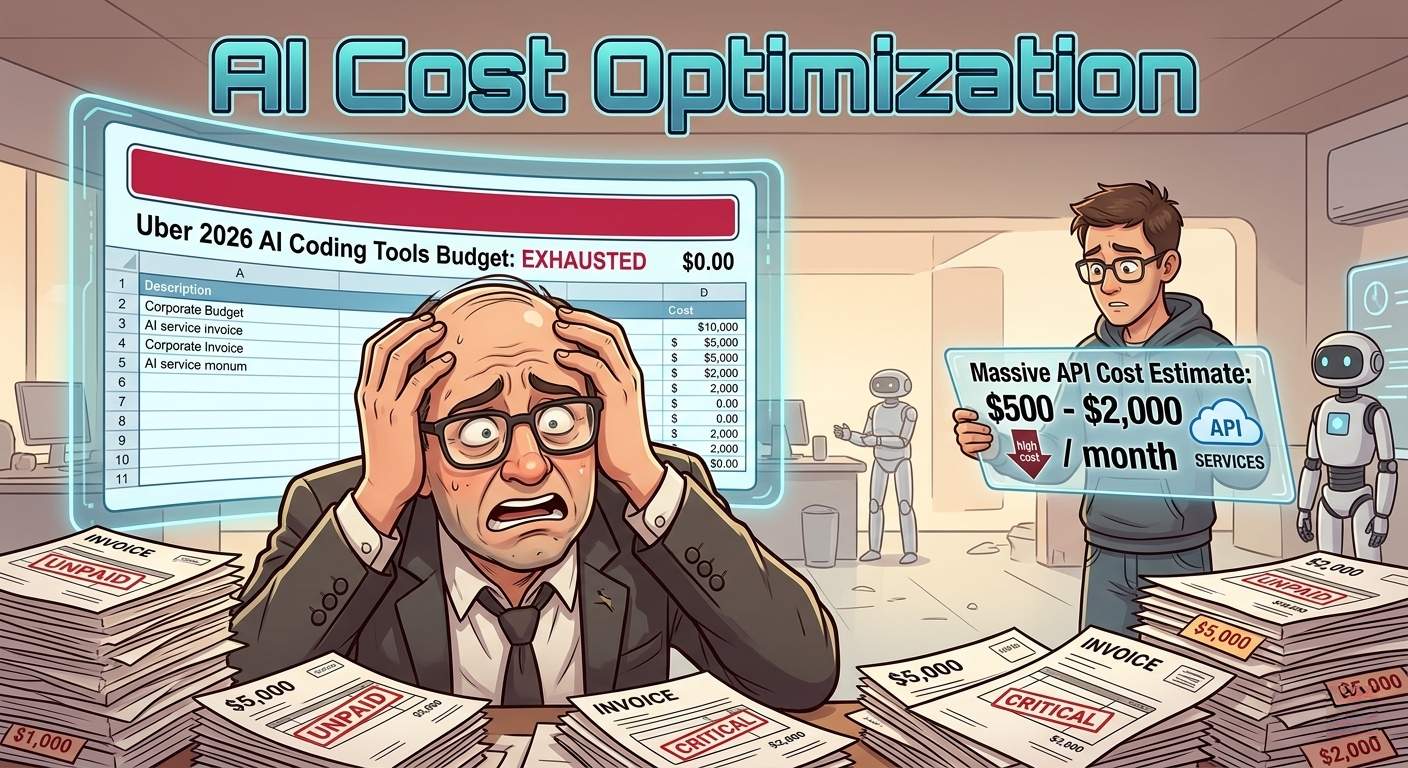
The New Reality
What started as an innovation budget line has quietly become a recurring operating expense – the AI boom of 2024 and 2025 was about possibility, but the story of 2026 is about cost, and for thousands of businesses that cost is arriving without warning.
The meteoric rise of Artificial Intelligence has been nothing short of astonishing, with businesses of all sizes embracing AI tools to boost productivity, enhance customer experiences, and drive revenue growth. But as more companies jump onto the AI bandwagon, a growing concern is emerging – AI tools cost optimization. The harsh reality is that many businesses are not equipped to handle the financial implications of integrating AI into their operations.
From expensive software subscriptions to the need for specialized talent, the cost of AI adoption is adding up quickly. In fact, a recent study revealed that the average company spends over $100,000 annually on AI-related expenses, with some organizations reporting costs as high as $500,000 or more. These expenses are not just limited to the initial investment, but also include ongoing maintenance, upgrades, and personnel costs.
As the AI market continues to evolve, it’s becoming increasingly clear that businesses need to rethink their approach to AI tools cost optimization. This means adopting a more strategic and cost-conscious approach to AI adoption, one that balances the benefits of AI with the financial realities of implementation. By prioritizing AI tools cost optimization, businesses can avoid the financial pitfalls of AI adoption and focus on driving real value for their customers and stakeholders. The time to act is now – as the AI landscape continues to shift, businesses that fail to adapt may find themselves left behind.

Similar Issues In Tech World
Uber is not alone – ServiceNow also disclosed it blew through its full-year Anthropic budget in the first few months of 2026, and Microsoft pulled back AI coding licenses from thousands of engineers in its Experiences and Devices division (covering Windows, Microsoft 365, and Teams) because usage costs grew too hard to defend at enterprise scale. This trend raises concerns about AI tools cost optimization and whether companies are truly prepared to handle the financial burden of adopting AI technologies.
One of the primary issues is that AI is being significantly overused for tasks that Integrated Development Environments (IDEs) handle natively. Renaming variables, simple refactoring, auto-imports, and file navigation are all solved problems in VS Code and JetBrains. However, developers so conditioned to AI prompting are burning tokens on tasks that a keyboard shortcut would solve in seconds. This wasteful use of tokens is not only a financial burden but also hampers the overall efficiency of AI adoption.
The excessive reliance on AI tools is also creating a culture of dependency. Developers are becoming accustomed to relying on AI for every minor task, rather than developing their skills to perform these tasks manually. This is not only detrimental to their professional growth but also stifles innovation, as AI is not a substitute for human ingenuity and creativity.
Furthermore, the overuse of AI is also leading to a phenomenon known as “token fatigue.” As companies continue to burn through their AI budgets, they are left with a dwindling supply of tokens, making it increasingly difficult to implement AI tools that truly add value to their operations. It’s time for companies to reassess their AI adoption strategies and focus on AI tools cost optimization to avoid the pitfalls of excessive AI usage.

The True Cost of AI
When it comes to AI coding tools, the list price is just the beginning. A $0 to $200 monthly range may seem like a bargain, but the real cost often lies hidden beneath the surface. Token limits, API overages, credit multipliers, and add-on fees can quickly double the actual cost, making it essential to dig deeper.
Flat-rate plans may appear attractive, but they often come with internal usage caps that even the most casual users will hit by week two. Heavy users, on the other hand, will be surprised to find that these hidden limits can limit their productivity. It’s not uncommon for developers to find themselves in a financial bind due to unexpected fees.
So, how can you achieve AI tools cost optimization in 2026? For most developers, the key lies in finding the perfect balance between capability and cost. By combining a lower-capability tool with a higher-capability one, you can create a setup that meets your needs without breaking the bank.
GitHub Copilot Pro is an excellent starting point, offering an always-on code completion and quick-chat layer for just $10 per month. This reliable companion allows you to focus on the creative aspects of coding while leaving the heavy lifting to the AI. For more complex tasks, however, a higher-capability tool is often necessary.
The optimal cost-conscious setup involves using a higher-capability tool selectively, reserving it for tasks that truly require its advanced capabilities. By striking this balance, you can achieve AI tools cost optimization and make the most of your budget.
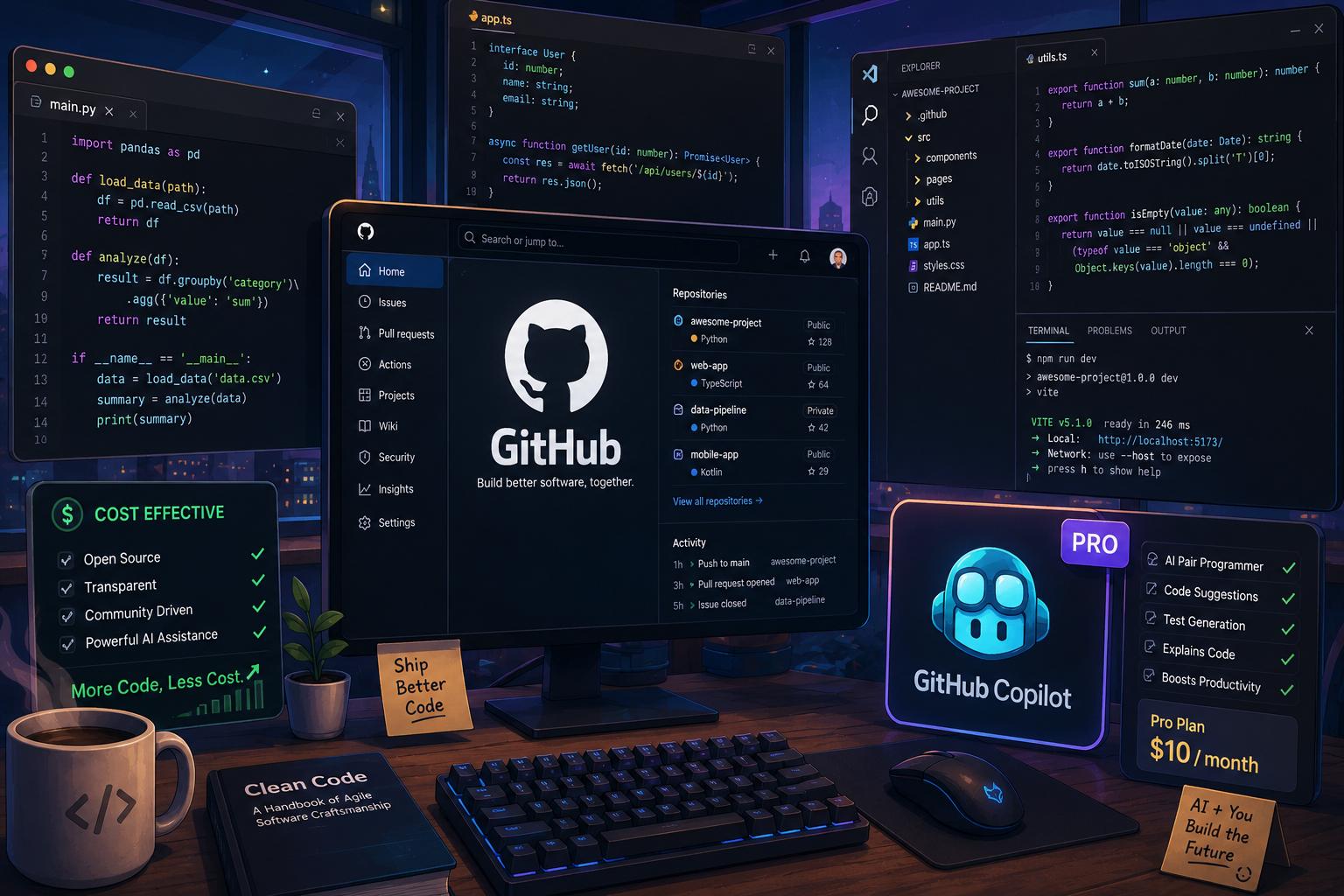
Cost-Conscious Strategies
When it comes to leveraging AI tools in your development workflow, it’s essential to adopt cost-conscious strategies to avoid overspending. Open-source BYOM (Bring Your Own Model) tools like Cline or Aider may seem like a cost-effective alternative to paid AI services, but they can shift costs from subscription fees to API bills. For instance, running Claude Sonnet through these tools can cost roughly $3-8 per hour of heavy use, while Opus runs 5-10x more. However, these tools give engineers full visibility and control over exactly what they spend, making them a more transparent option.
To optimize your AI tools cost, it’s crucial to use them judiciously. Developers should not rely on AI for every single task. Many tasks can be performed using IDEs or other tools, eliminating the need for AI assistance. By doing so, you can save a substantial amount of money, as using AI for simple tasks can quickly add up. A more strategic approach to AI adoption can help you maximize the benefits while minimizing the costs.
Fortunately, free tiers are available for various AI tools, making it easier to stay within your budget. Gemini CLI, for example, offers 1,000 requests per day for under $5 per month, allowing you to cover most daily needs without incurring significant expenses. Windsurf’s free tier is also the most generous in the market for autocomplete, while GitHub Copilot Free provides 2,000 completions per month. By taking advantage of these free tiers, you can implement AI tools cost optimization strategies that align with your development needs and budget.

Costs Can Be Handled
The AI cost crisis is not a reason to stop using AI – it is a reason to use it deliberately: reserve powerful frontier models for problems that genuinely require deep reasoning, and let your IDE, free tiers, and lighter models handle everything else.
Token costs are expected to fall sharply as AI consumption scales – but waiting for cheaper pricing without changing habits now means burning real budget on overuse that discipline and tool-switching could eliminate today.
To avoid unnecessary expenses, focus on mastering the art of AI tools cost optimization. It’s not about cutting back on AI usage altogether, but about using it wisely. By adopting a more strategic approach, you can significantly reduce your costs while still achieving your goals.
The engineers who will get the most long-term value from AI are not the ones who use it the most – they are the ones who know exactly when to reach for it, which model to use, and when a keyboard shortcut does the job better and for free. These individuals understand that AI is a tool, not a silver bullet. They use it to augment their skills, not replace them.
By adopting a more disciplined approach to AI usage, you can not only save money but also become a more effective and efficient engineer. This requires developing a keen sense of when to use AI and when to rely on other tools and techniques. With practice and experience, you’ll become proficient in using AI in a way that maximizes its benefits while minimizing its costs.