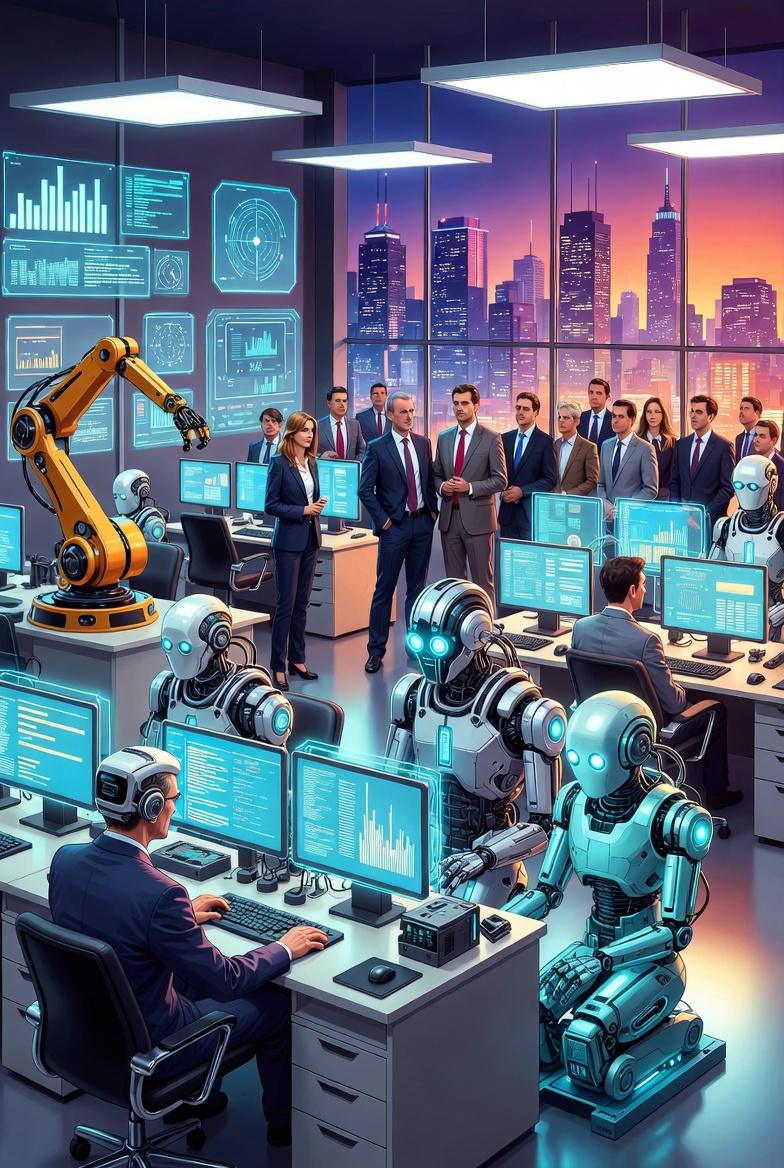
The AI revolution is in full swing, and one of the most exciting areas of development is AI agents. These autonomous systems have moved beyond simple chatbots with minimal human input, boasting advanced capabilities that enable them to plan, act, and execute multi-step tasks with ease.
As a result, expectations are soaring for AI agents to reshape digital workflows and enhance productivity.
But is the hype surrounding AI agents too big? Are we getting carried away with the promise of these intelligent systems, or is there genuine substance behind the hype? To answer these questions, we need to take a closer look at the current status of AI agents and what the future holds.
AI agents are not just limited to customer service or data analysis. They are being implemented in various industries, from healthcare to finance, to improve efficiency and decision-making.
For instance, the goal can be that AI agent analyzes medical images, identifies potential health issues, and provides personalized treatment plans. Similarly, in the financial sector, AI agents can analyze market trends, predict stock prices, and provide investment advice.
The key to unlocking the full potential of AI agents lies in their ability to learn and adapt. By leveraging latest machine learning algorithms, they can improve their performance over time, making them more accurate and effective.
As technology continues to evolve, we can expect to see them take on increasingly complex tasks, freeing up human resources to focus on higher-level thinking and creativity.
But what does the future hold for AI agents? Will they live up to the hype, or will they fail to deliver? Only time will tell, but one thing is certain – the impact of them will be felt far and wide, transforming the way we work, live, and interact with technology.
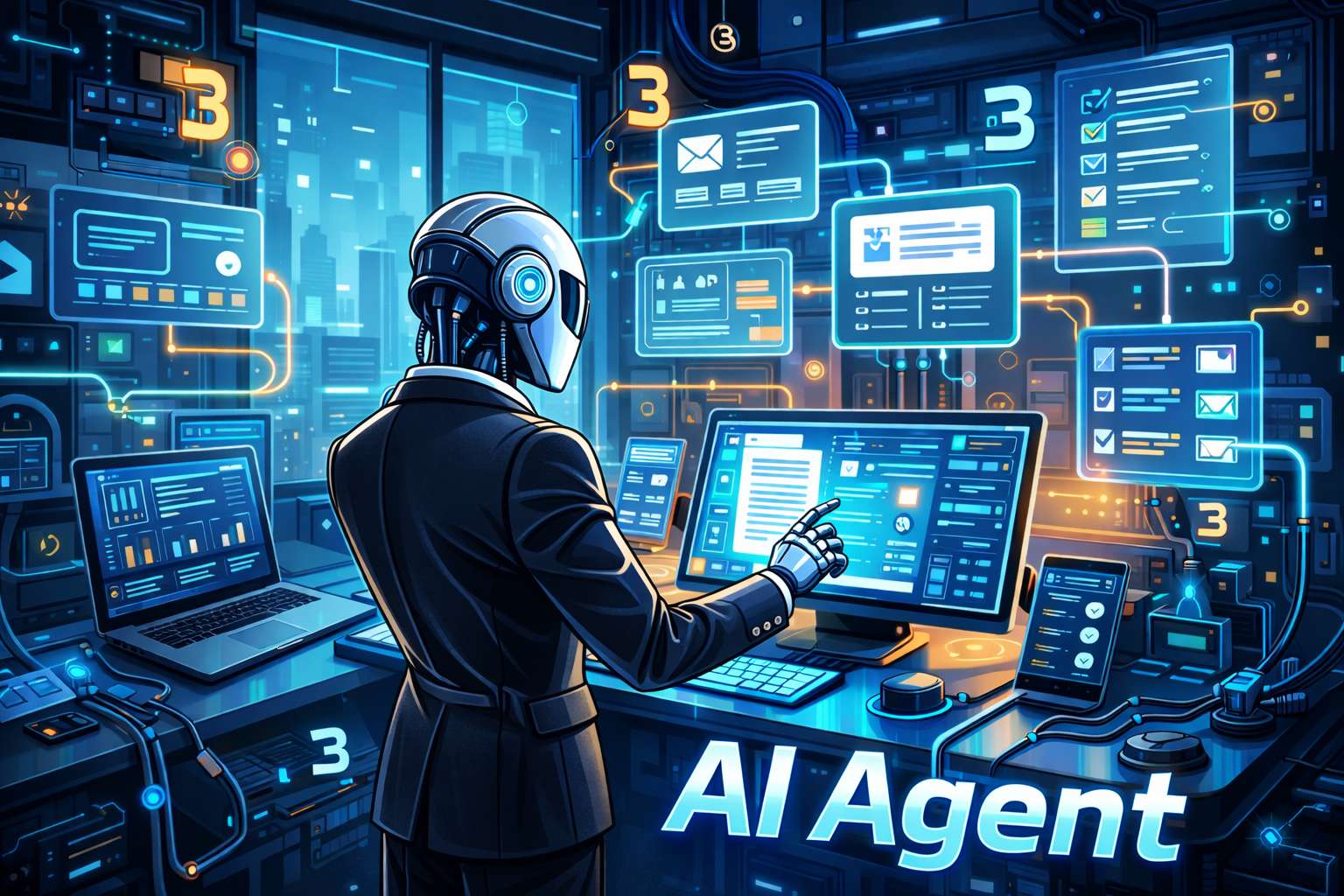
Adoption Levels of Artificial Intelligence
The adoption of Artificial Intelligence has been a gradual process, with various time periods of development. According to current OpenAI’s framework, there are five levels of AI adoption, and today, we probably find ourselves at the second level of Reasoners.
This level is characterized by AI systems that can analyze data, identify patterns, and make recommendations, but still require significant human intervention to make decisions.
We are arguably far from reaching the third level of Agents, which can make decisions with minimal human intervention. However, companies are working diligently to bridge this gap by embedding task-specific AI agents into their systems.
The idea is to accelerate adoption by creating AI agents that can perform specific tasks autonomously, freeing up human resources for more strategic and creative endeavors.
The potential of AI agents to transform industries and businesses is vast. By automating routine tasks and providing data-driven insights, AI agents can help organizations make informed decisions, streamline processes, and improve overall efficiency.
As we move closer to the third level of Agents, we can expect to see more AI-powered decision-making systems that can operate independently, reducing the need for human oversight and increasing productivity.
On the other hand, the development of truly autonomous AI agent is a complex challenge that requires significant advances in areas like natural language processing, computer vision, and machine learning.
Nevertheless, the prospect of creating AI agents that can make decisions with minimal human intervention is an exciting one and companies are already exploring various ways to harness the their power to drive innovation and growth.
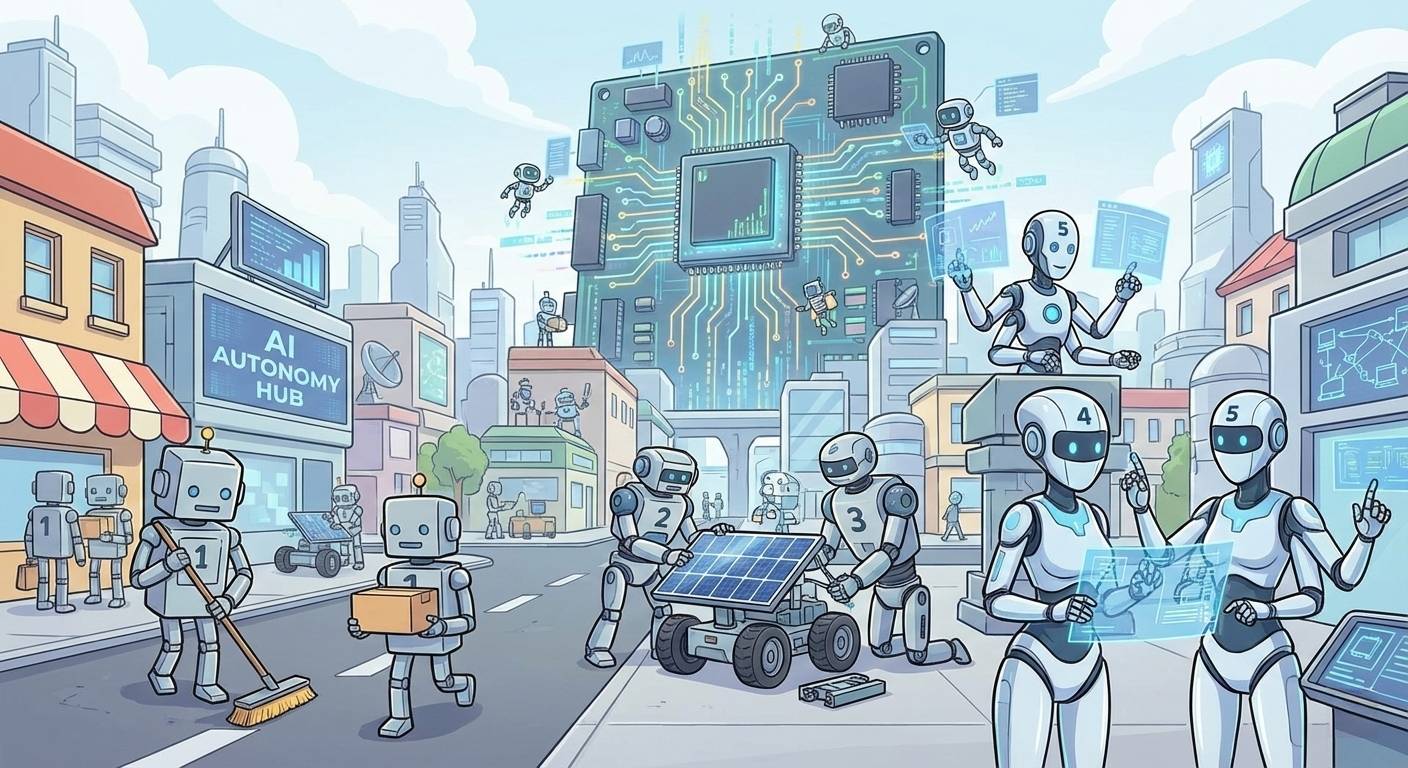
AI Agent Trends in 2026
The year 2026 is shaping up to be another pivotal moment for artificial intelligence in the workplace. Expectations are high, and companies are gearing up to embed task-specific AI agents into their digital workflows, revolutionizing the way we work.
These AI agents will be designed to learn and adapt to specific tasks, freeing up human employees to focus on higher-level decision-making and creative problem-solving.
As AI agents become more sophisticated, they may even begin to take on the role of digital employees, capable of coordinating workflows and streamlining processes. This could lead to a significant reduction in bureaucracy and administrative tasks, allowing companies to operate more efficiently and effectively.
But the impact of AI agents won’t stop there. By automating end-to-end workflows, companies will be able to enhance personalized experiences for their customers, creating a more seamless and intuitive interface.
Whether it’s a customer service chatbot or a personalized product recommendation, AI agent will be driving the future of customer engagement.
As these systems become more prevalent, companies will need to adapt their talent acquisition and development strategies to accommodate the changing role of human employees. This may involve upskilling and reskilling existing staff to work alongside AI agents, or recruiting new talent with the skills and expertise to harness the full potential of these digital employees.
Will all of this happen in 2026? For sure not, but it is a clear trend which some companies eventually want to achieve. The possibilities are endless, and one thing is certain – the future of work is about to get a whole lot more interesting.
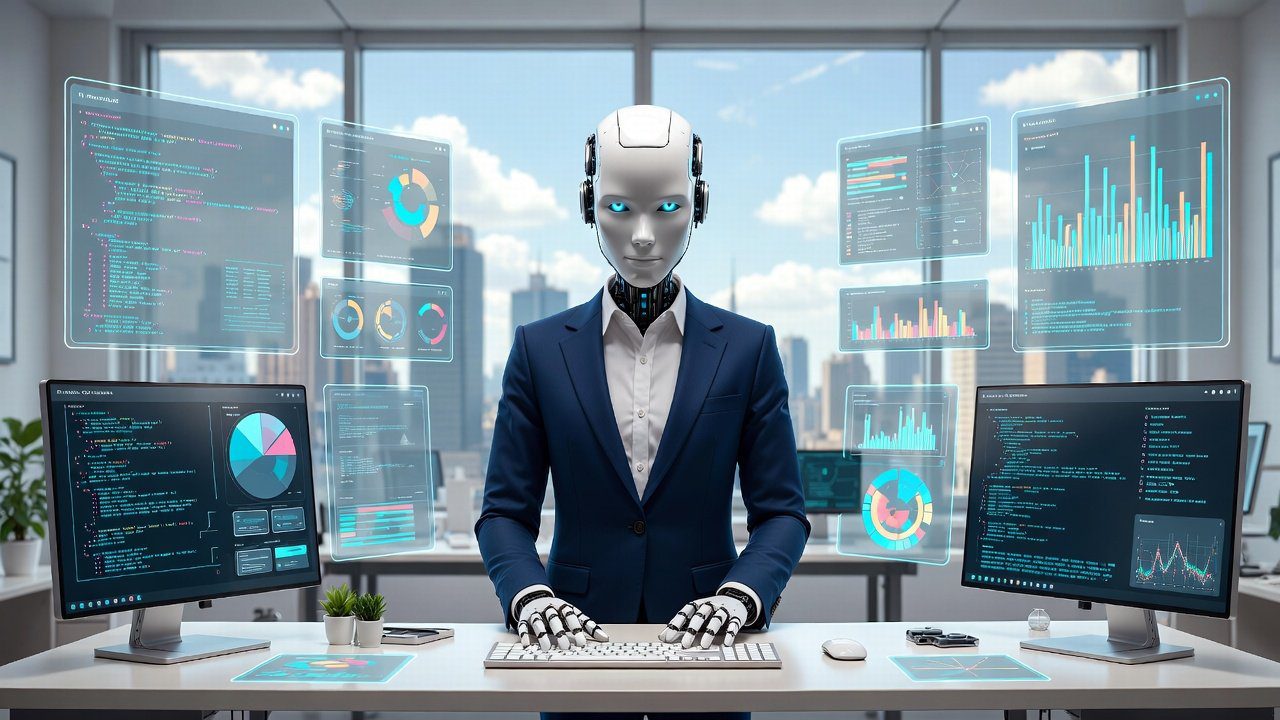
Agentic Use Cases
The rise of AI technology has brought about a significant shift in the way businesses operate, and latest exciting goal for many companies is having an usable AI agent. This intelligent digital assistant can automate tasks, improve efficiency, and enhance customer experiences.
As a result, we’re seeing a growing number of firms hope that AI agents will boost productivity and stay ahead of the competition.
One of the most notable applications of AI agents is in sales and marketing. By leveraging AI-powered chatbots and virtual assistants, companies can reduce response times and increase conversion rates.
For instance, AI agents can engage with customers at various touchpoints, from initial inquiries to post-purchase support, providing personalized recommendations and resolving issues in real-time.
The use of AI agent in consumer and e-commerce is also expected to grow exponentially. Online shoppers are increasingly interacting with AI-powered shopping assistants, which help them navigate websites and make purchases more efficiently.
In the world of customer service, AI is becoming an essential tool for providing 24/7 support, answering FAQs and resolving common issues without human intervention.
As AI agents continue to evolve, they will undoubtedly disrupt various industries, including sales and customer service. With their ability to learn and improve over time, AI agents are poised to revolutionize the way businesses interact with customers and operate internally.
By embracing this technology, companies can unlock new levels of efficiency, ultimately driving further growth and success in a rapidly changing market.
Top Priorities for the Tech Field
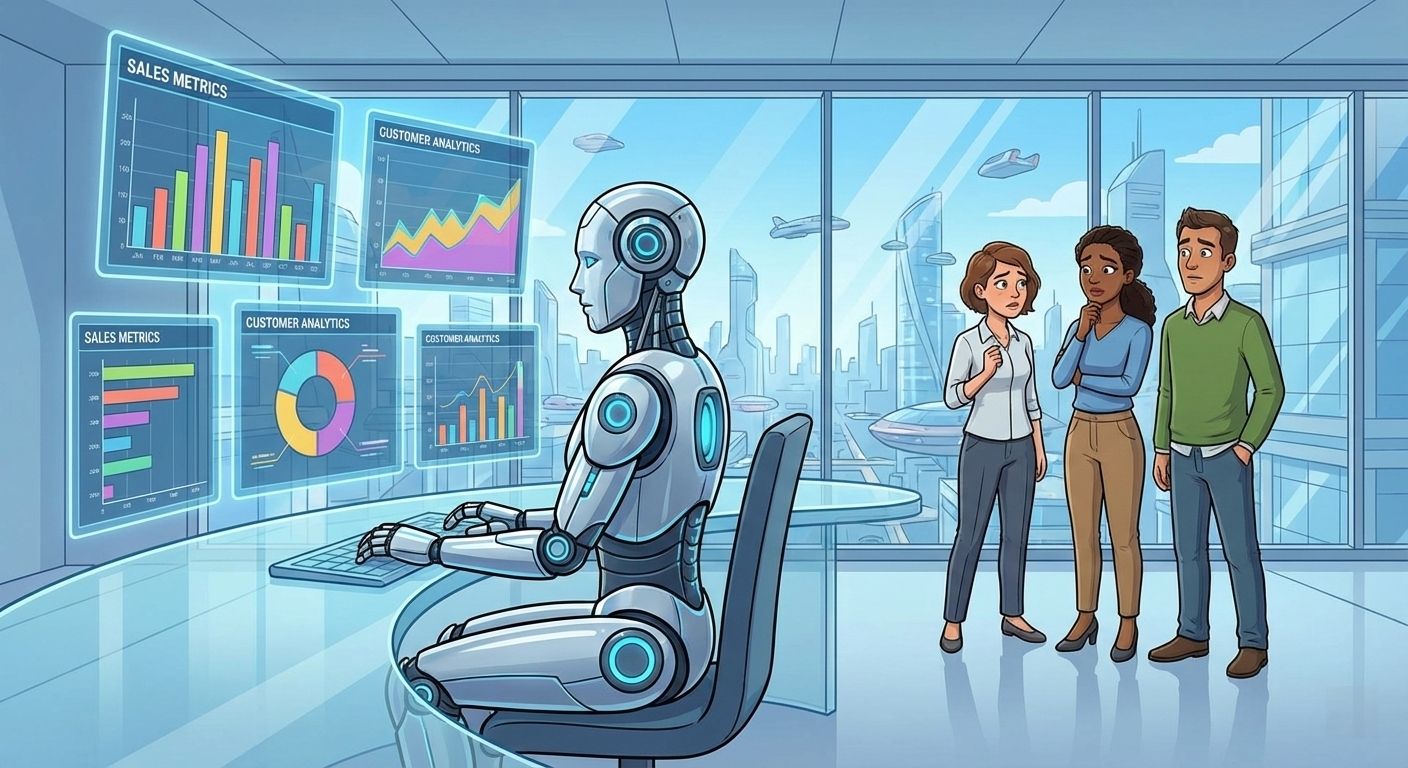
In today’s rapidly evolving landscape of technology industry, a pressing concern is top of mind: the need for AI to be explainable and transparent. Although we are still in the days of black box decision-making where the reasoning behind an autonomous system’s choices remains a mystery, users are now demanding clear justifications for the AI agent decisions that impact their lives, whether it’s a recommendation on what to watch next or a diagnosis for a medical condition.
The stakes are high and companies are taking notice. To gain user trust and maintain a competitive edge, businesses will need to ensure that their AI agents are designed with explainability and transparency in mind.
This means that the inner workings of the AI agent must be transparent, allowing users to understand the data and logic driving its decisions.
As the AI agent continues to learn and improve, users will expect to see a clear line of sight into its decision-making process. This is not just a nicety; it’s a necessity. By making AI agents explainable and transparent, companies can build trust, increase adoption, and ultimately drive business success.
The benefits of transparent AI agents are far-reaching. Not only do they foster trust and understanding, but they also enable more effective collaboration between humans and AI. By providing clear explanations for AI agent decisions, companies can empower users to make more informed choices and enhance the overall user experience.
Ultimately, the future of AI depends on its ability to be explainable and transparent. As the technology continues to advance, the demand for clear justifications will only grow louder. Companies that prioritize AI agent explainability and transparency will be well-positioned to thrive in this new landscape.
Workforce Transformation
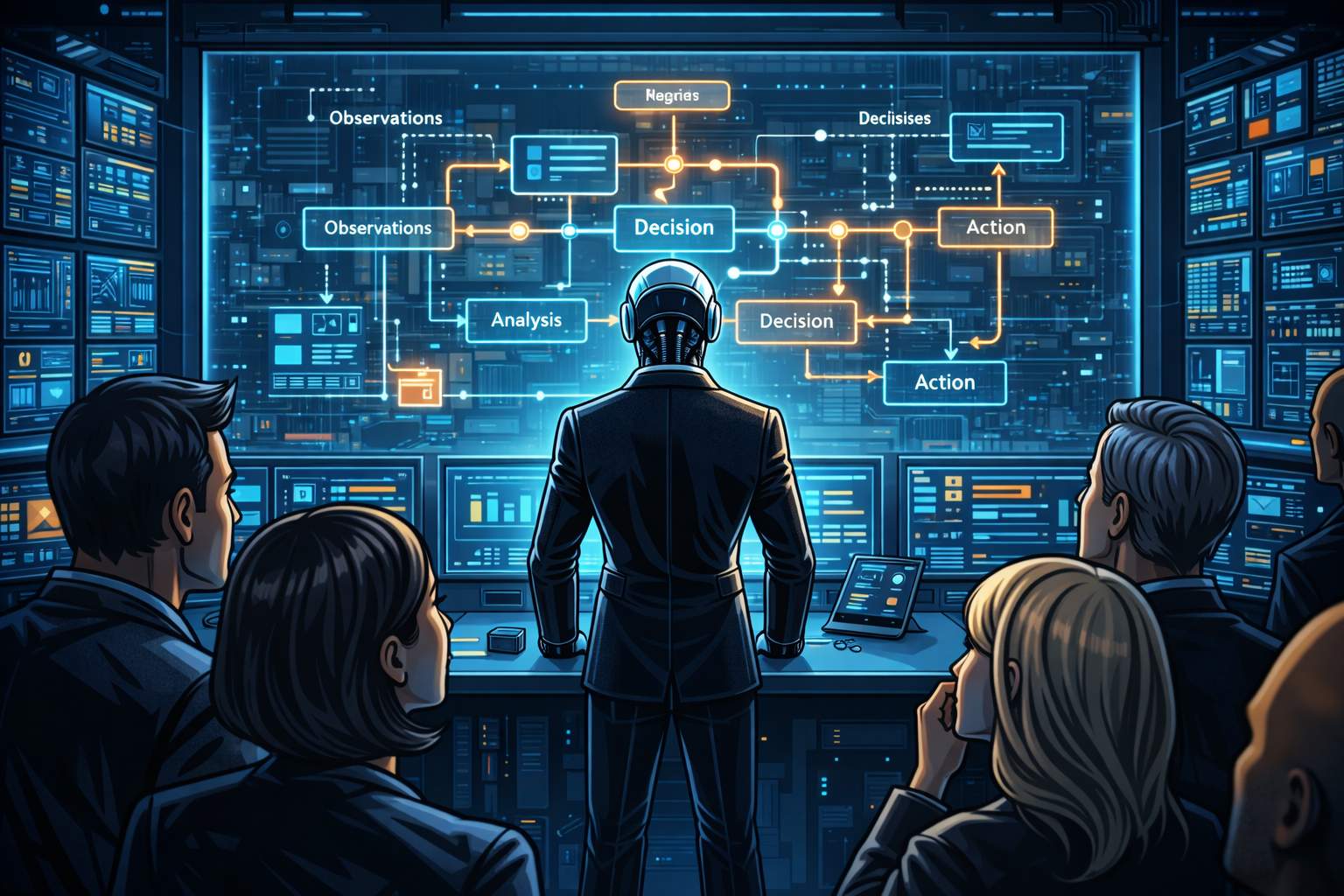
As we step into 2026, the modern workplace is poised for a seismic shift. Gone are the days of traditional hierarchies and mundane tasks. Instead, the future of work is all about human-in-the-loop governance and AI collaboration.
It’s a game-changer that will redefine the way we work and nothing is going to change that in near future.
Imagine a world where workers are no longer burdened by tedious tasks, but instead act as orchestrators, leveraging the capabilities of AI agents to drive business forward. This is the reality we’re heading towards, and it’s a future that promises unparalleled productivity and growth.
At its core, workforce transformation in 2026 is about harnessing the power of AI to augment human capabilities. By collaborating with AI agents, workers will be free to focus on high-impact tasks that drive real value, rather than getting bogged down in routine and repetitive work. It’s a shift that will enable companies to innovate at scale, adapt to changing market conditions, and stay ahead of the competition.
The benefits of this new paradigm are clear. By automating routine tasks and freeing up workers to focus on high-leverage activities, companies will see significant gains in productivity and efficiency.
But it’s not just about the numbers – it’s also about creating a work environment that’s more engaging, more rewarding, and more fulfilling for employees. This is the optimistic future we want to believe.
As we embark on this journey of workforce transformation, one thing is clear: the future of work can be bright, and it’s being shaped by the harmony between humans and AI agents.
Are the Expectations too High?
As it is common to the tech field, the expectations for a future tech are always very high. AI is the clear top trend of the last few years and nothing is gonna change this year.
With its exponential growth, AI has taken over the digital landscape, offering endless possibilities for businesses and industries alike. One of the most significant developments in the AI space is the emergence of AI agents.
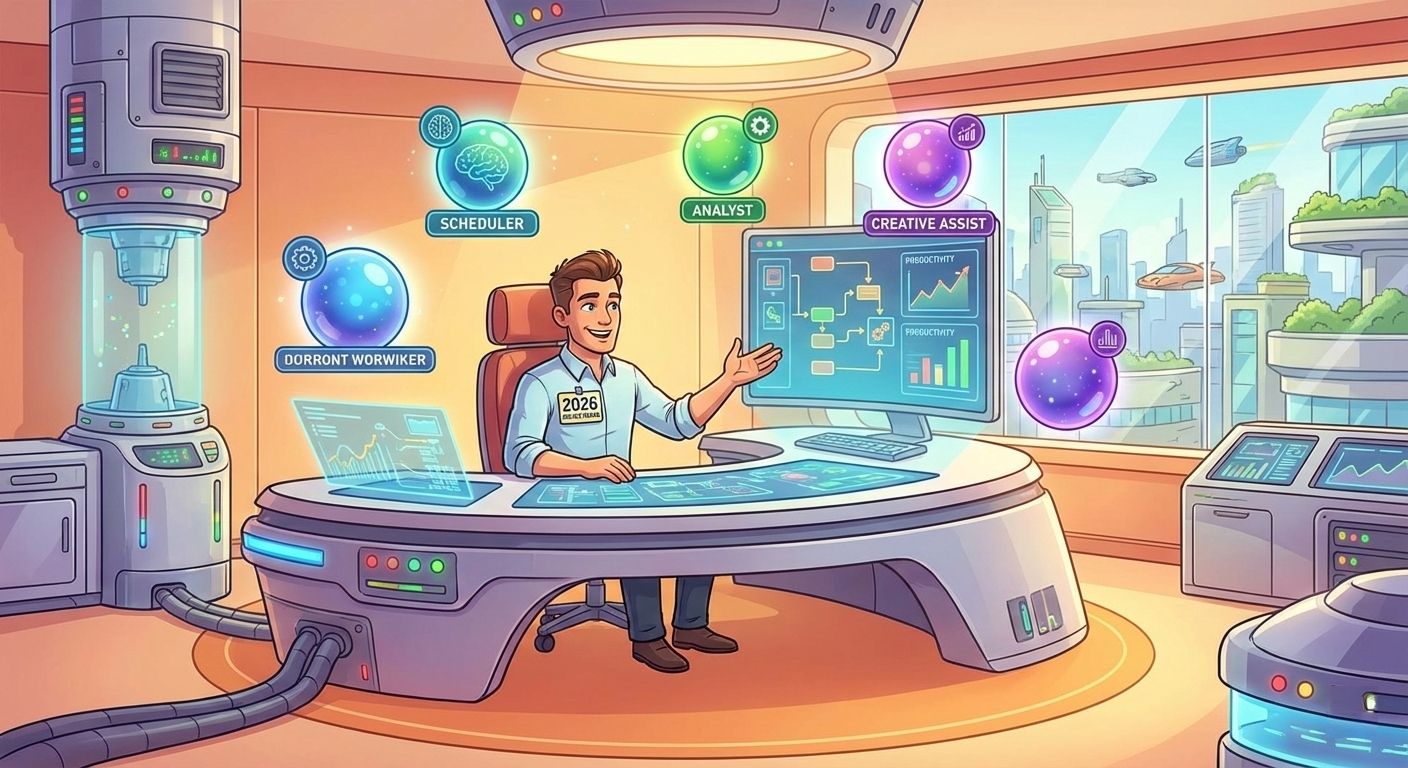
AI agents will be one of the hottest topics today and they might play a key role in reshaping digital workflows and enhancing productivity. From automating mundane tasks to making data-driven decisions, AI agents have the potential to revolutionize the way we work.
However, companies will need to prioritize explainability, transparency, and human-in-the-loop governance to leverage AI agent capabilities. This means ensuring that AI decision-making processes are transparent, explainable, and aligned with human values.
The future of work will be shaped by AI agents, requiring companies to adapt and innovate. As AI takes over routine and repetitive tasks, humans will have the opportunity to focus on higher-level tasks that require creativity, empathy, and problem-solving skills. This shift will not only enhance productivity but can also lead to a more fulfilling work experience.
While there are valid concerns about AI agents, such as job displacement and bias, it’s difficult to deny the potential benefits they offer. As we move forward, it’s essential to have an open and honest discussion about the role of AI agents in shaping our future.
Do you think that AI agents are overhyped, or is it a clear trend that will dominate the years to come? Let us know in the comment section.