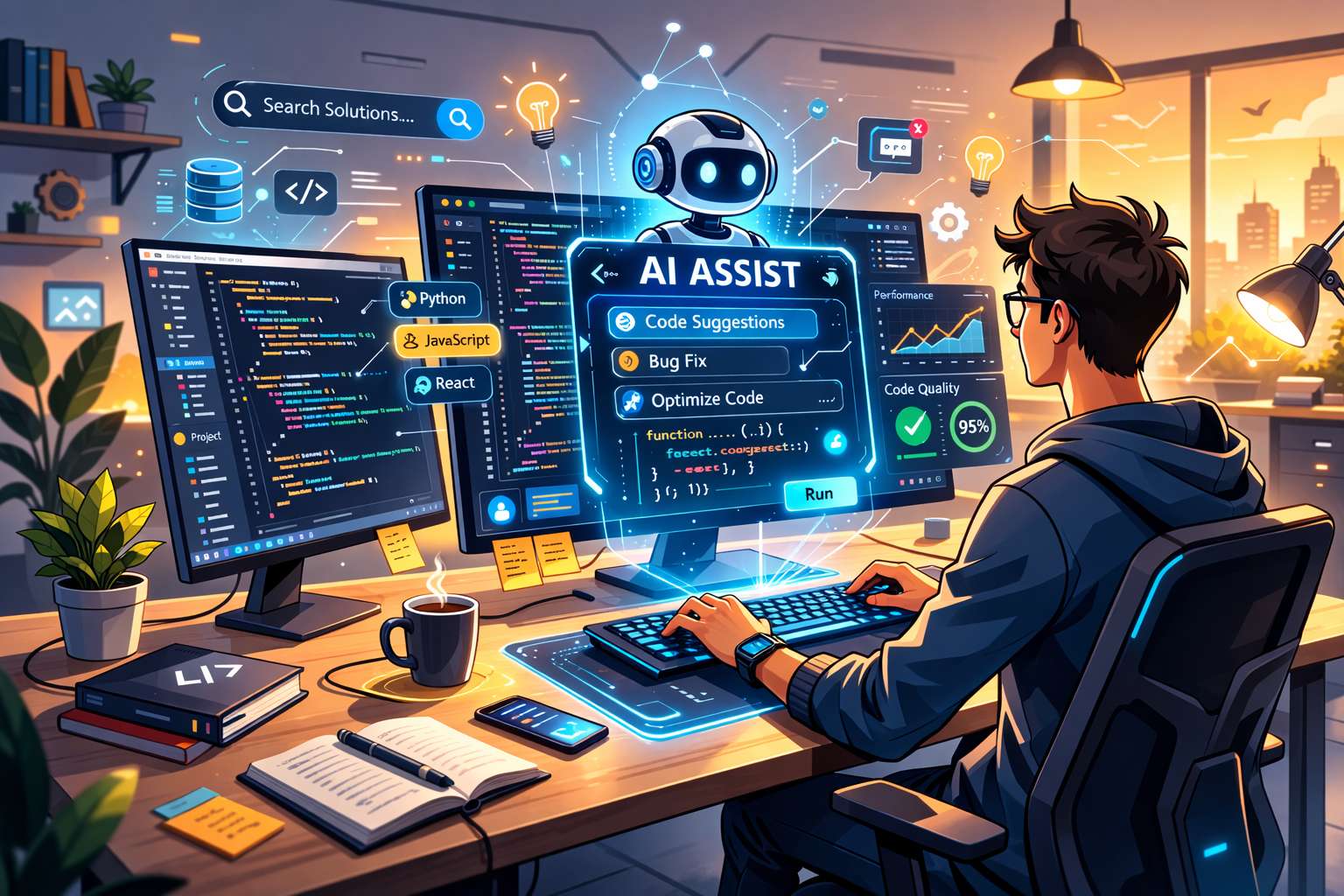
AI has transformed how programmers find solutions online by offering real-time, context-aware code generation and debugging that goes far beyond traditional search.
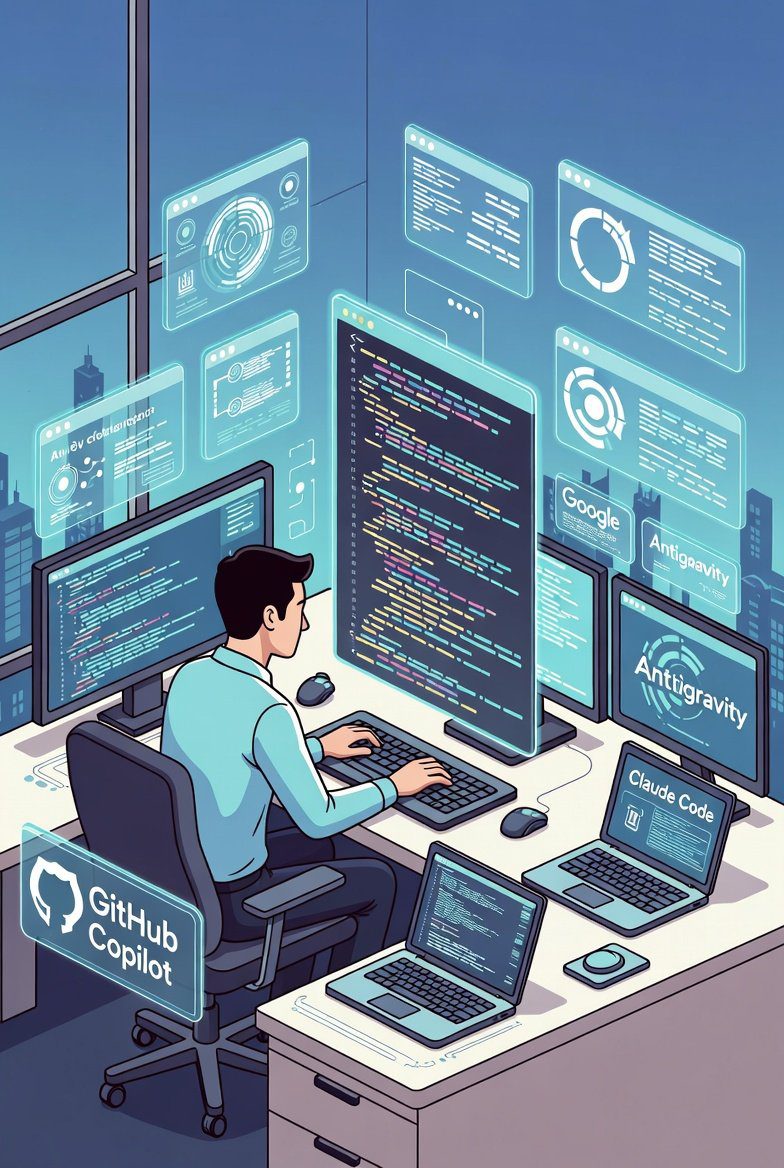
In the not-so-distant past, programmers relied on traditional search methods to find solutions to complex coding problems. However, the rapid evolution of Artificial Intelligence has revolutionized the way developers approach coding challenges. Today, top tools like GitHub Copilot, Cursor, Claude Code, and Google Gemini have transformed into intelligent pair programmers or autonomous agents, working alongside developers inside Integrated Development Environments (IDEs).
These AI-powered tools offer real-time, context-aware code generation and debugging capabilities that go far beyond traditional search. By leveraging machine learning algorithms and vast amounts of data, these tools can provide developers with accurate, relevant, and actionable solutions to complex coding problems. This has significantly enhanced the coding experience, allowing developers to focus on higher-level tasks and produce better-quality code.
The rise of AI-assisted programming has also led to a significant increase in productivity and efficiency among developers. With AI-powered tools generating code snippets, suggesting fixes, and even debugging issues, developers can now focus on more strategic aspects of the development process. Major tech companies, such as Microsoft, Google, and Amazon, are investing heavily in internal AI coding tools and pushing for widespread adoption among their developers. This trend is expected to continue, with AI-assisted programming becoming an essential part of the coding process in the years to come. As AI continues to evolve, we can expect even more innovative and powerful tools to emerge, further transforming the coding landscape.
The Impact of AI Assisted Programming
As we step into 2026, a significant shift in the programming landscape is becoming increasingly apparent. About 41 % of all code written in this era is either AI-generated or AI-assisted, with adoption rates rapidly increasing across various teams and languages. This trend is not limited to a specific domain or industry, but is instead a widespread phenomenon that’s transforming the way we approach software development.
One of the key factors driving this growth is the evolution of AI assistants. Gone are the days when these tools were merely passive suggestion engines. Today, they’re becoming collaborative partners that can not only offer intelligent suggestions but also actively participate in the development process. They can plan workflows, refactor code, and even automate testing, freeing up developers to focus on higher-level tasks.
The benefits of AI-assisted programming are numerous. By automating mundane and time-consuming tasks, developers can increase their productivity and efficiency. They can focus on writing more code, rather than spending hours debugging and testing. Moreover, AI-assisted programming can help identify and fix errors earlier in the development cycle, reducing the likelihood of costly bugs and security vulnerabilities.
Despite these gains, many developers still approach AI-generated code with a healthy dose of skepticism. They may not fully trust the results, especially when it comes to security and correctness. As a result, they continue to manually review the code, even if it’s been generated by an AI-powered tool. This decision is not without merit, given the potential risks associated with relying too heavily on AI-generated code. However, as AI technology continues to advance and mature, we can expect to see greater trust and adoption of AI-assisted programming in the years to come.

The Role of AI in Coding Communities
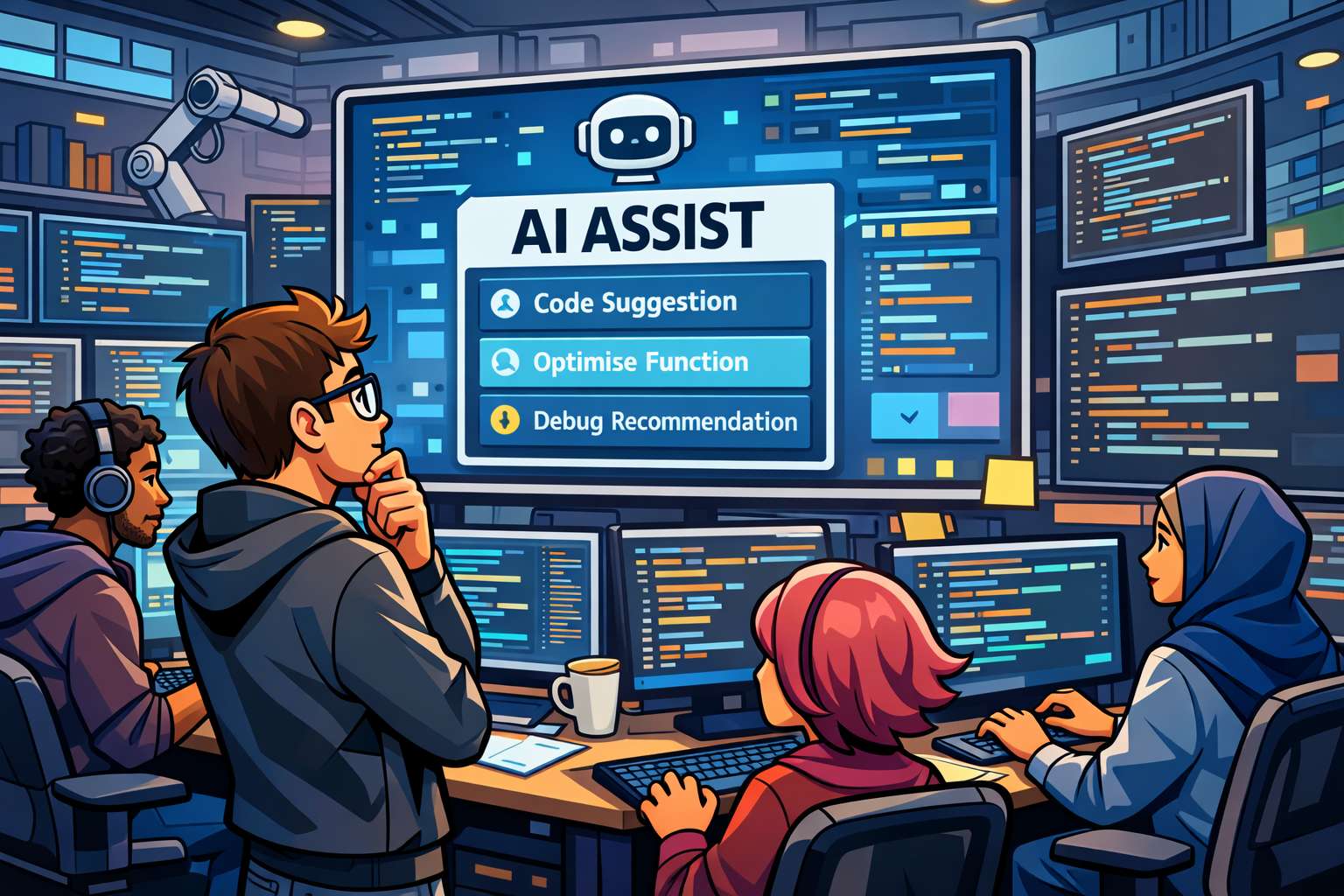
Stack Overflow and other coding communities now integrate AI Assist for conversational, context-preserving help, blurring lines with traditional Q&A search. This innovation has revolutionized the way developers interact with coding platforms, making it easier to find solutions and learn new skills. AI Assist is a game-changer, providing personalized recommendations and tailored support that cater to individual needs.
AI assisted programming is becoming increasingly important in these communities, with many developers relying on AI-powered suggestions and recommendations. By leveraging AI technology, developers can focus on higher-level tasks such as designing, testing, and refining their code. This shift in focus enables them to create more complex and innovative projects, pushing the boundaries of what’s possible in the world of coding.
The integration of AI Assist has made coding more accessible and efficient, allowing developers to work smarter, not harder. With AI-powered tools at their disposal, developers can quickly identify and resolve issues, reduce debugging time, and accelerate the development process. This, in turn, has a positive impact on project timelines, budgets, and overall productivity.
As AI Assist continues to evolve and improve, we can expect to see even more sophisticated features and capabilities emerge. From auto-completion and code analysis to predictive modeling and optimization, the possibilities are endless. By embracing AI assisted programming, developers can unlock new levels of creativity, collaboration, and innovation, leading to better outcomes and greater success in their projects.
The Future of AI in Coding
The next frontier is proactive AI within Integrated Development Environments (IDEs) that anticipates developer needs, offering suggestions at key workflow moments without explicit prompts. This revolutionary technology is poised to transform the way we write code, making it more efficient and intuitive. Imagine having a personal assistant that helps you refactor code, suggests the best libraries for the task at hand, and even identifies potential bugs before you even have to think about them.
Proactive AI will enable developers to work more efficiently and effectively, reducing the need for manual review and testing. This could be a game-changer for teams working on complex projects, where every minute counts. With AI assisted programming, developers can focus on the high-level concepts, while the AI takes care of the mundane tasks, freeing up more time for innovation and creativity. According to a recent study, developers who use AI-powered IDEs report a 30% reduction in development time and a 25% increase in overall productivity.
However, critics warn that overreliance on AI can impair deep understanding of codebases and harm long-term skill development. While AI can certainly help with routine tasks, it’s essential to remember that coding is not just about typing code; it’s about understanding the underlying concepts, debugging, and troubleshooting. If we rely too heavily on AI, we risk losing the skills that make us great developers in the first place – problem-solving, critical thinking, and creativity. As we move forward with AI powered development, it’s crucial to strike a balance between leveraging technology and nurturing our skills as developers.
Challenges and Concerns
As the tech industry continues to evolve, many developers are still stuck in the past, relying heavily on traditional search and debugging techniques rather than embracing the power of AI-powered tools and assistants. The reality is that AI has the potential to revolutionize the way we code, making it faster, more efficient, and more accurate. However, it seems that many developers are hesitant to trust AI-generated code, instead opting to manually review their code, especially when it comes to security and correctness.
This lack of trust is a major concern, as it can hinder the adoption of AI-assisted programming and limit the potential benefits it can bring to the industry. The fear of relying on AI-generated code is understandable, but it’s also holding us back from unlocking the full potential of AI in software development.
Another concern is the overreliance on AI, which can lead to a lack of understanding of codebases and harm long-term skill development. When developers rely too heavily on AI, they may not fully grasp the inner workings of their code, which can make it difficult to troubleshoot issues and maintain their codebase in the long run. This can lead to a vicious cycle where developers become increasingly dependent on AI, but also less equipped to handle the challenges that come with it.
Ultimately, the key to unlocking the benefits of AI-assisted programming is to find a balance between leveraging the power of AI and maintaining a deep understanding of codebases. By embracing AI-powered tools and assistants, developers can work more efficiently and effectively, while also ensuring that they have the skills and knowledge they need to succeed in the long run.

There Is No Way Back
As we wrap up our exploration of AI assisted programming, it’s clear that this technology is revolutionizing the way developers work. By leveraging the power of AI, coding has become more efficient and accessible than ever before. From automating mundane tasks to suggesting optimal solutions, AI-powered tools are helping developers focus on high-level thinking and strategic problem-solving.
But with great power comes great responsibility. As developers, it’s crucial to strike a balance between relying on AI-powered tools and developing a deep understanding of codebases. This balance is essential to ensure that we don’t become too reliant on technology and lose sight of the underlying logic and architecture of our code.
By embracing the benefits of AI assisted programming while addressing these concerns, developers can unlock their full potential and create more efficient and effective workflows. By doing so, they can focus on innovating, creating, and pushing the boundaries of what’s possible with technology.
Ultimately, the key to harnessing the power of AI assisted programming lies in finding a harmonious balance between human intuition and machine-driven insights. By combining the strengths of both, developers can create solutions that are not only efficient but also maintainable, scalable, and secure. As the coding landscape continues to evolve, one thing is certain: AI assisted programming will play an increasingly important role in shaping the future of software development.