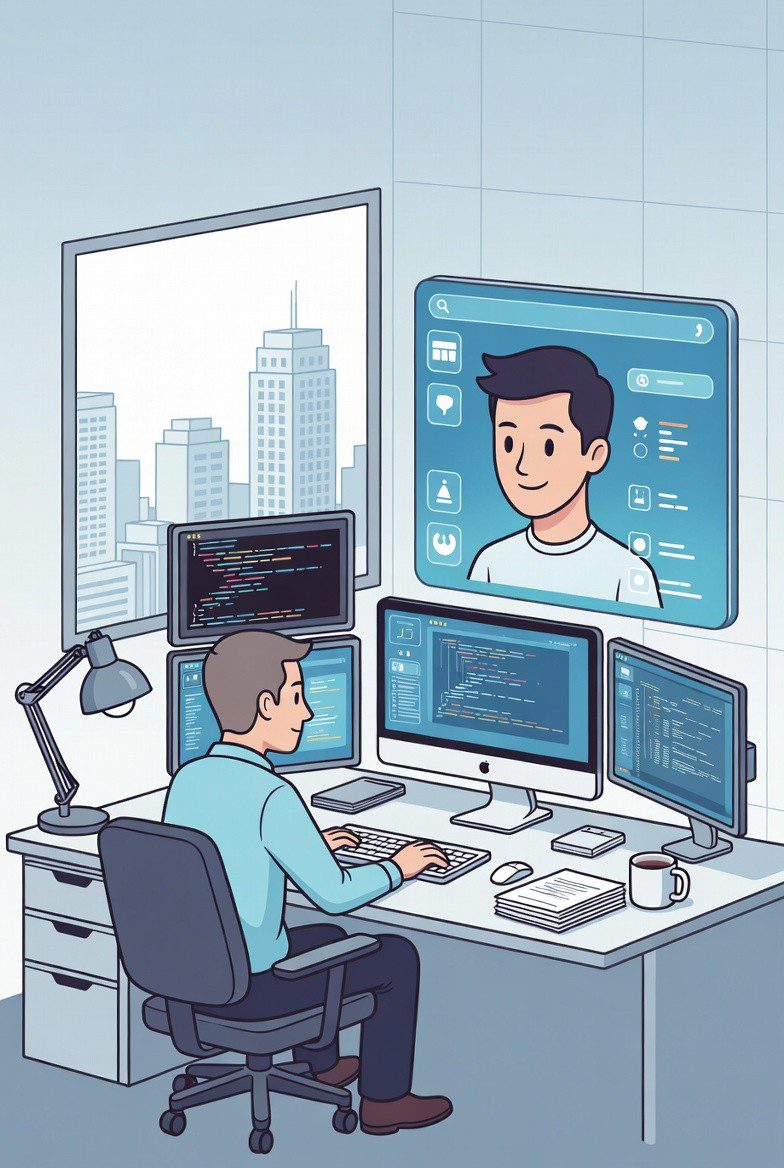
The world of software development has witnessed a significant revolution with the advent of AI-generated code. In 2026, AI already accelerates code generation massively, making it possible to create complex software applications at an unprecedented pace. However, as AI-generated code becomes a norm, corner cases, logic, and context remain a fundamental challenge. Despite the incredible potential of AI in code generation, there are still gray areas that require human intervention.
Developers still insist on human oversight to validate correctness, logic, and security. While AI can generate code with unprecedented speed and efficiency, it often lacks the nuance and common sense that human developers bring to the table. Human oversight is crucial in ensuring the quality and reliability of AI-generated code. It’s not just about spotting errors, but also about understanding the context and intent behind the code.
In reality, AI-generated code often requires human touch to refine its precision. AI programming precision, in particular, is an area where human developers can make a significant impact. By reviewing and refining the code, human developers can ensure that the AI-generated code meets the required standards of quality and reliability. This not only saves time but also prevents costly mistakes that can occur when AI-generated code is deployed in production.
The future of software development lies in striking a balance between AI-generated code and human oversight. While AI can accelerate the code generation process, human developers are needed to validate and refine the code. By working together, developers and AI systems can create software applications that are not just fast to develop but also reliable and secure. As the technology continues to evolve, one thing is certain – human oversight will remain an essential component of AI-generated code.
Challenges in AI-Generated Code
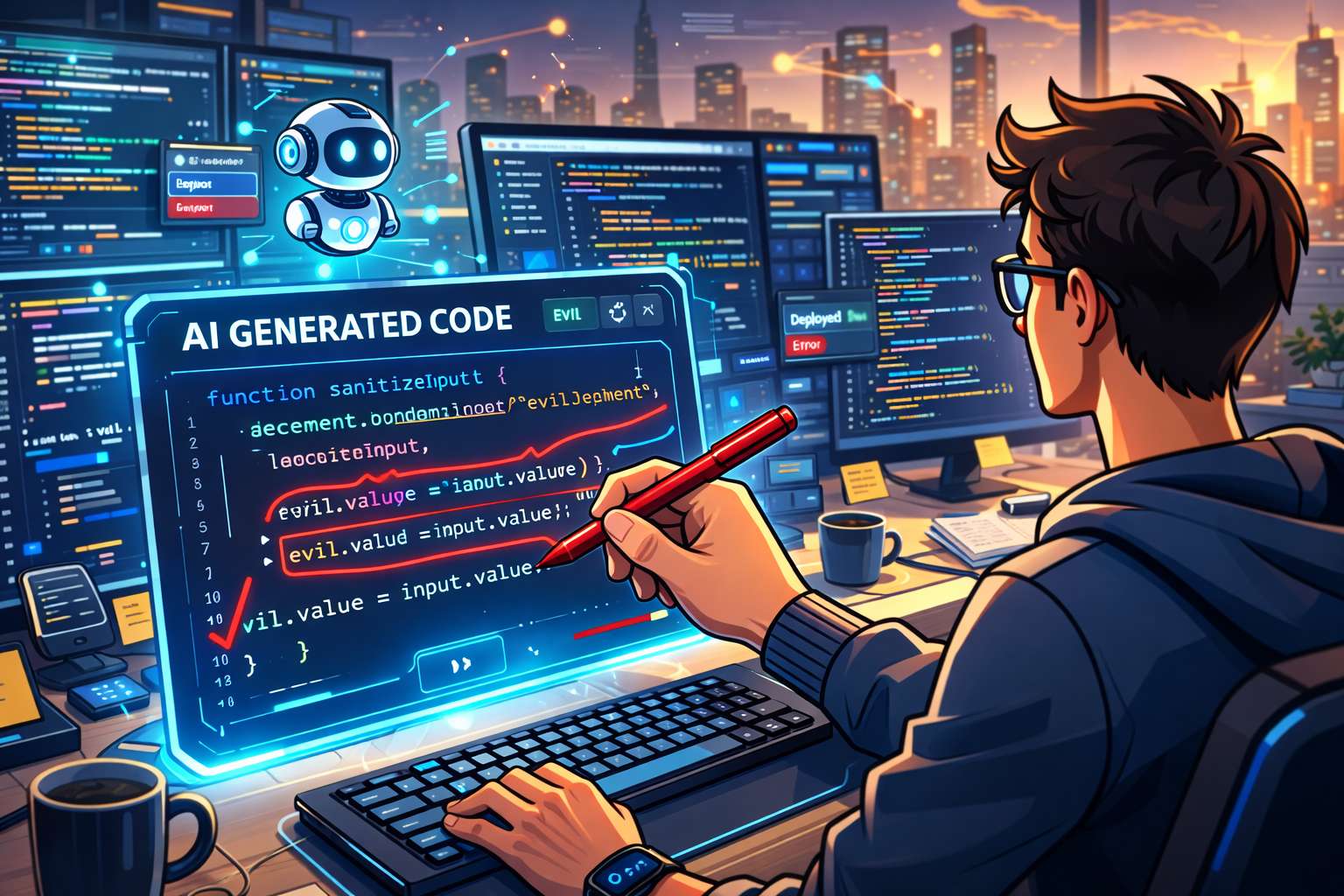
The rapid advancements in AI have made it possible to generate code at an unprecedented scale and speed. However, this convenience comes with a cost. AI tools struggle disproportionately with logic and correctness errors, producing more logic flaws than human-written code. This phenomenon is a stark reminder that AI-generated code is not yet ready for prime time.
The “illusion of correctness” from AI code creates significant security and reliability risks if unchecked. What appears to be a perfectly functioning code snippet may, in fact, be riddled with bugs and vulnerabilities. The consequences of deploying such code can be catastrophic, leading to system crashes, data breaches, and even financial losses. It’s a ticking time bomb that’s waiting to unleash its fury.
One of the primary reasons behind these challenges is the lack of understanding of the underlying code. AI tools don’t truly comprehend the code they generate; they simply manipulate symbols according to patterns and algorithms. This leads to a lack of nuance and a rigid adherence to the generated code, making it difficult to adapt to changing requirements or identify areas for improvement.
Furthermore, AI often ignores opportunities for code reuse and generates redundant structures. This not only wastes resources but also leads to a maintenance nightmare. The result is a codebase that’s bloated, inefficient, and difficult to maintain.
The pursuit of AI programming precision is a commendable goal, but it’s a challenging one. Until AI tools can match the level of expertise and critical thinking exhibited by human programmers, we must exercise caution when relying on AI-generated code. By acknowledging the limitations of AI and taking a more human-centric approach to coding, we can build safer, more reliable systems that truly benefit from the power of automation.
Human Expertise in AI-Generated Code
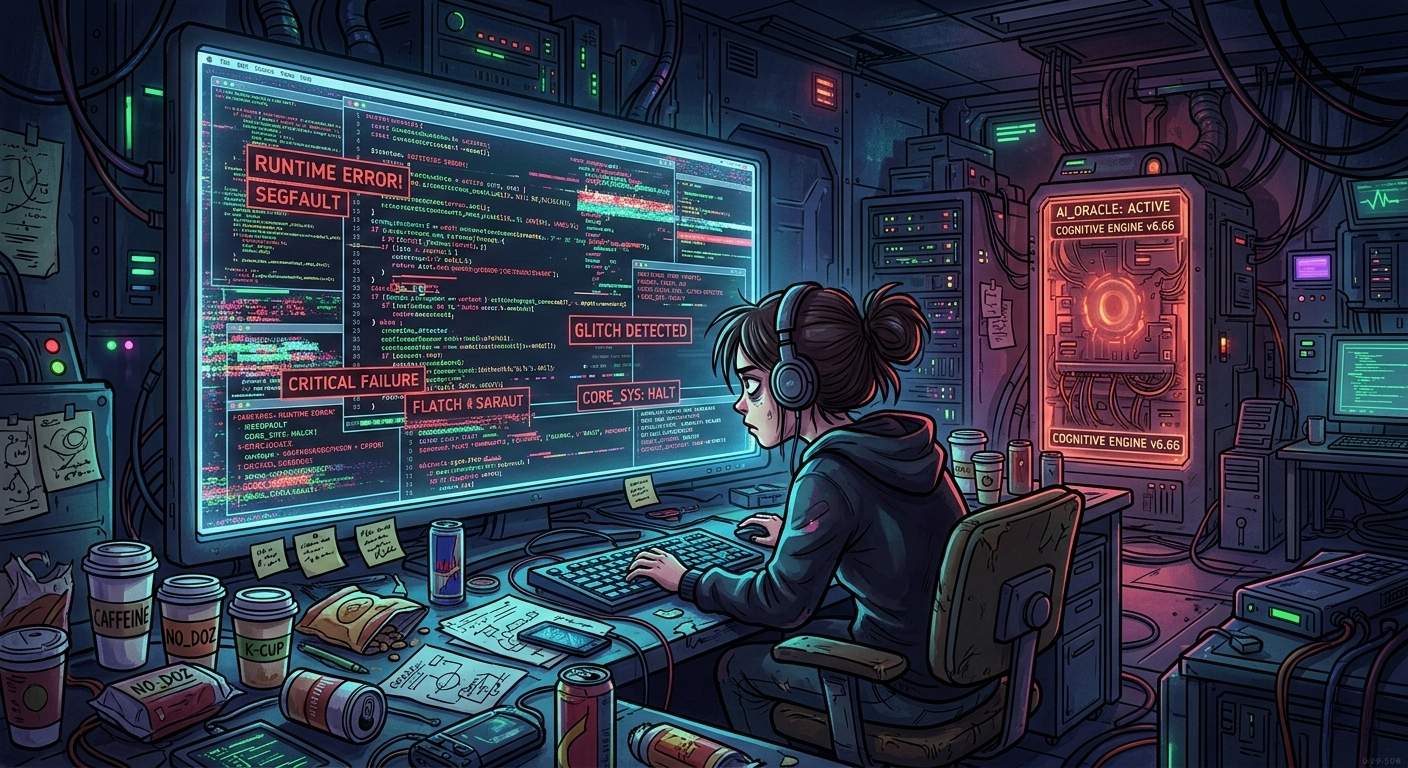
When it comes to AI-generated code, human developers play a crucial role in ensuring the quality and reliability of the final product. One of the key responsibilities of human developers is to define and verify edge cases and special conditions in AI-generated code. This involves identifying and addressing the unique scenarios that can arise in the code, such as unexpected user inputs, system failures, or data inconsistencies.
AI, on the other hand, has limitations when it comes to holistic understanding of architecture and business intent. While AI can generate code based on patterns and algorithms, it often lacks the deeper understanding of the system’s overall design and the business objectives it aims to meet. This limited understanding can lead to code that may not align with the organization’s design principles or business goals.
Human guidance is essential to prevent violations of design principles and ensure that the AI-generated code meets the required standards of quality and functionality. By reviewing and refining the code, human developers can help AI systems to improve their AI programming precision and generate code that is more accurate, reliable, and maintainable.
In fact, studies have shown that combining human expertise with AI-generated code can lead to significant improvements in code quality, productivity, and time-to-market. By leveraging the strengths of both human developers and AI systems, organizations can create more efficient, effective, and innovative software solutions that meet the evolving needs of their customers. By embracing the power of human expertise in AI-generated code, developers can unlock new levels of innovation and success in their software development endeavors.
Debugging and Maintenance
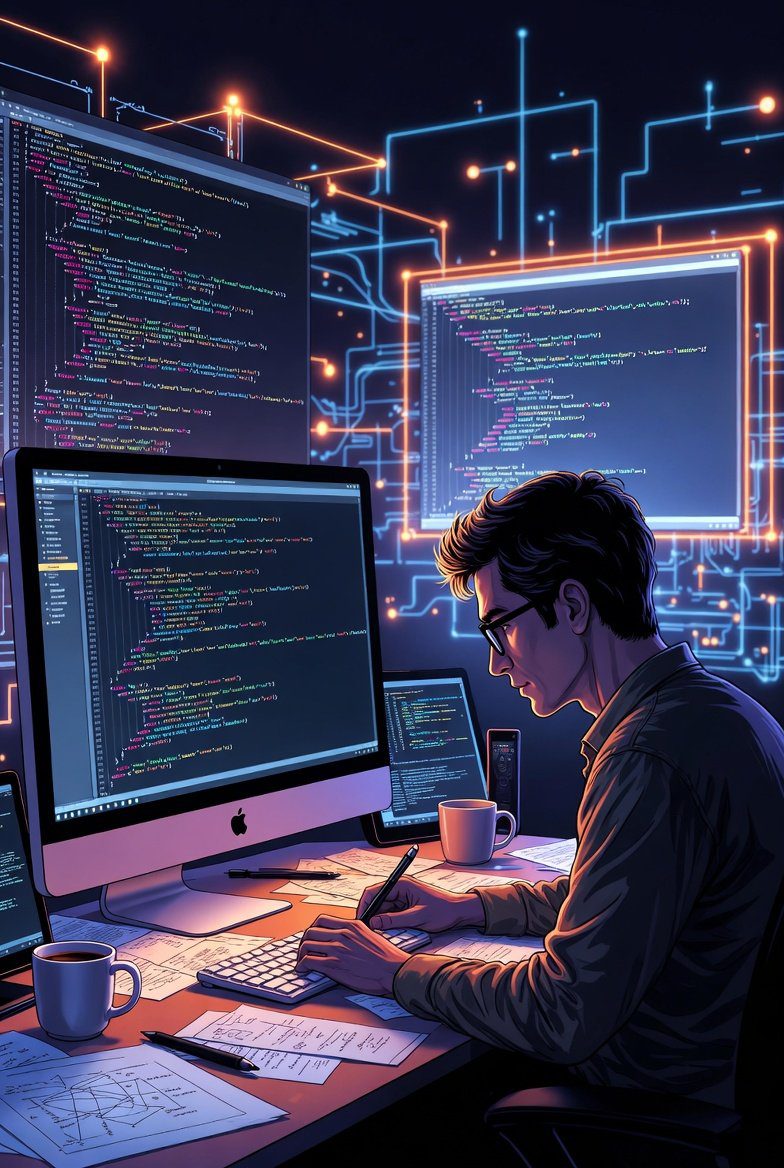
The era of AI-generated code has arrived, bringing with it a new set of challenges for developers. While AI can significantly speed up the coding process, debugging AI-generated code can take just as long – or even longer – than writing code manually. The reason lies in the intricacies of AI logic, which can be both a blessing and a curse.
Developers are often forced to reverse-engineer AI logic to fix subtle issues that arise during testing. This process can be time-consuming, as it requires a deep understanding of the underlying algorithms and how they interact with each other. Moreover, the complexity of AI-generated code can make it difficult to pinpoint the exact source of a problem, further prolonging the debugging process.
However, this is not to say that AI-generated code is inherently flawed. In fact, the real value in software development lies in problem framing and detailed oversight. By leveraging the strengths of human intuition and technical expertise, developers can work alongside AI to create high-quality software that meets the needs of users.
The key to successful AI programming lies in achieving a balance between AI-generated code and human oversight. By combining the precision and speed of AI with the nuance and creativity of human developers, we can create software that is not only efficient but also effective. This is where the concept of AI programming precision comes into play – the ability to harness the power of AI to create software that is tailored to specific needs, while still allowing for the human touch that makes software truly exceptional.
The Role of Human Oversight in AI Development
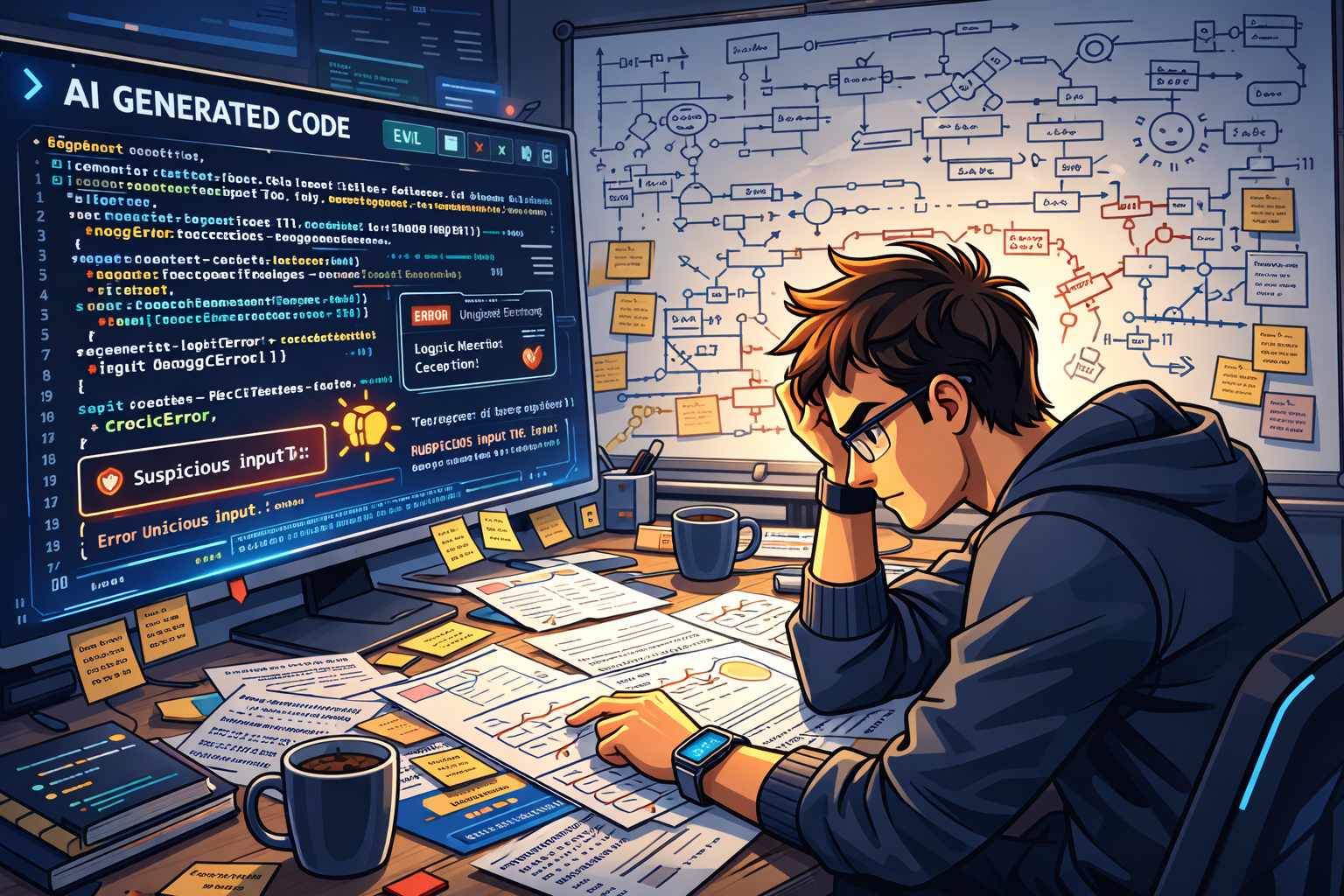
When it comes to AI-generated code, the debate rages on about its reliability and effectiveness. The truth is, while AI has revolutionized the way we develop software, it’s still not a replacement for human oversight. In fact, a staggering 95% of developers prefer to review and refine AI-generated code before deploying it. This hesitancy isn’t unwarranted – after all, AI algorithms can only learn from existing patterns and data. They lack the nuance and real-world experience that a human developer brings to the table.
Human oversight, therefore, is essential in ensuring the correctness and security of AI-generated code. This involves more than just a cursory glance; it requires a meticulous review of the code, line by line, to identify any errors or potential vulnerabilities. Without this level of scrutiny, the value of AI programming precision is compromised. A single mistake can have far-reaching consequences, from bugs and glitches to data breaches and security threats.
The benefits of human oversight in AI development are multifaceted. Not only does it guarantee the reliability of the code, but it also enables developers to refine the AI algorithm and improve its performance. By manually reviewing and optimizing the code, developers can ensure that the AI is functioning as intended and providing accurate results. Moreover, human oversight fosters a culture of innovation and collaboration, driving the development of more sophisticated and effective AI solutions. Ultimately, the combination of human oversight and AI-generated code is the key to unlocking the full potential of AI programming precision in software development.
Conclusion and Future Directions
As we navigate the rapidly evolving landscape of software development, one thing becomes increasingly clear: the real value now lies in problem framing, domain knowledge, and detailed oversight. Gone are the days of relying solely on coding skills to drive success. Today, it’s all about harnessing the power of human ingenuity and collaboration with AI tools to deliver top-notch results.
Human developers must work closely with AI tools to ensure the quality and reliability of code. By combining the strengths of both humans and machines, we can unlock unprecedented levels of efficiency, accuracy, and innovation. But it’s not just about leveraging AI for sheer speed; it’s about weaving human intuition and creativity into the fabric of the development process.
To truly unlock the potential of AI in software development, we need to focus on improving AI programming precision. This means investing in continuous research and development to refine AI algorithms, making them more adaptable, responsive, and accurate. It’s about fostering a culture of collaboration between developers, AI experts, and stakeholders to ensure that AI tools are tailored to meet the unique needs of each project.
As we push the boundaries of what’s possible with AI, we must also prioritize the human element – empathy, intuition, and creativity. By striking the perfect balance between technology and human insight, we can create software solutions that are not only efficient but also meaningful, impactful, and truly exceptional. The future of software development is bright, and it’s up to us to harness the power of AI to drive progress, innovation, and success.