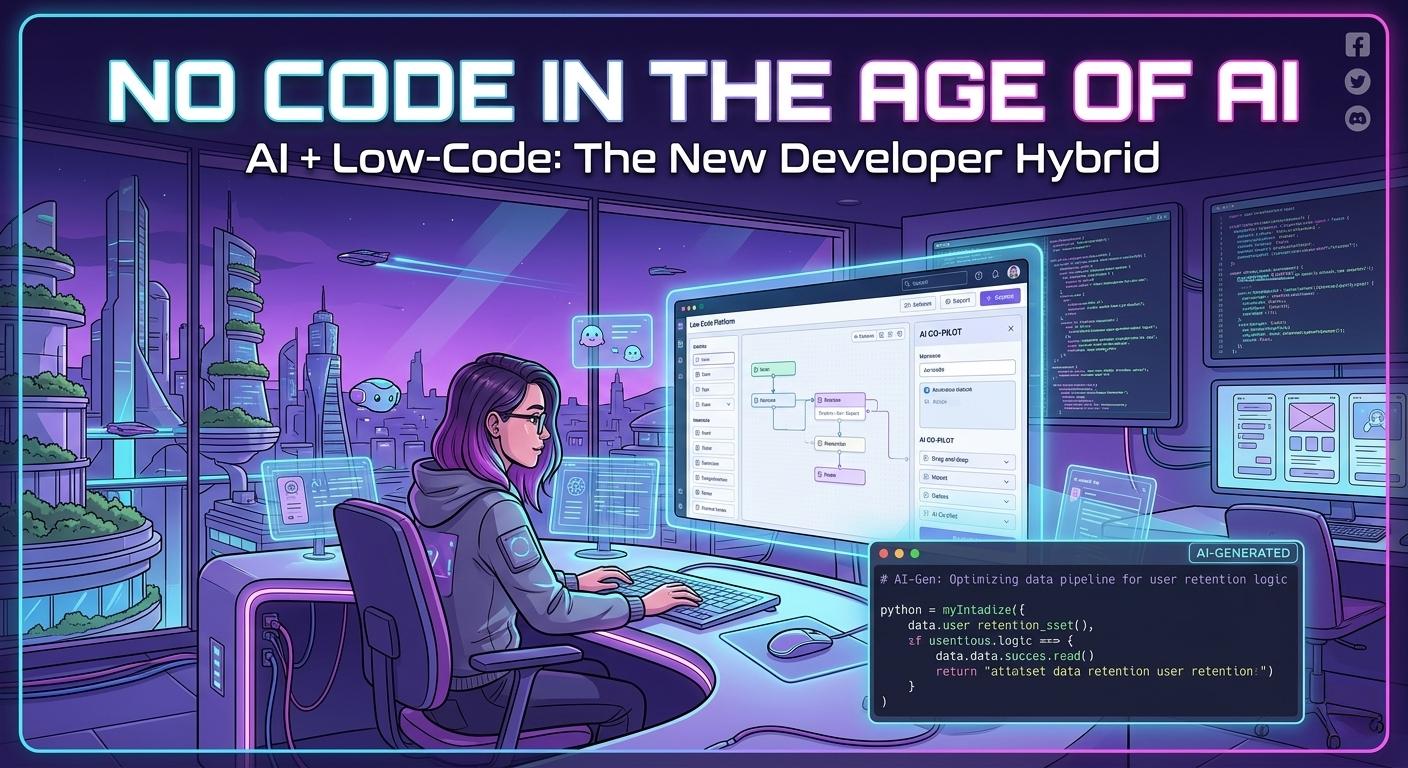
AI-generated applications are accelerating the shift from manual coding to automated software creation. This shift is making the no-code/low-code/full-code debate more relevant than ever. Business needs for faster delivery are driving the growth of no code in the age of AI and low-code platforms.
In today’s rapidly evolving tech landscape, the notion of coding is undergoing a profound transformation. The rise of AI-generated applications is a testament to this shift, where the lines between manual coding and automated software creation are increasingly blurred. Gone are the days when developers had to spend hours pouring over lines of code to build a single application. With AI at the helm, the process has become faster, more efficient, and – dare we say it – almost magical.
This shift is having a profound impact on the no-code/low-code/full-code debate. As more businesses opt for no-code and low-code platforms to meet their ever-growing demands for faster delivery, the traditional notion of coding is being redefined. What does it mean to be a developer in the age of AI? Is it still necessary to possess extensive coding knowledge to build a world-class application? The answer, in many cases, is no.
The emergence of no-code tools and platforms is making it possible for non-technical users to build complex applications without writing a single line of code. This, in turn, is opening up new avenues for innovation and collaboration across departments. But what about the role of full-code development in this new landscape? Will it become a relic of the past or continue to thrive alongside no-code and low-code options? Only time will tell. One thing is certain, however, the no-code in the age of AI trend is here to stay, and it’s revolutionizing the way we think about software development.
The Limitations of No-Code Tools
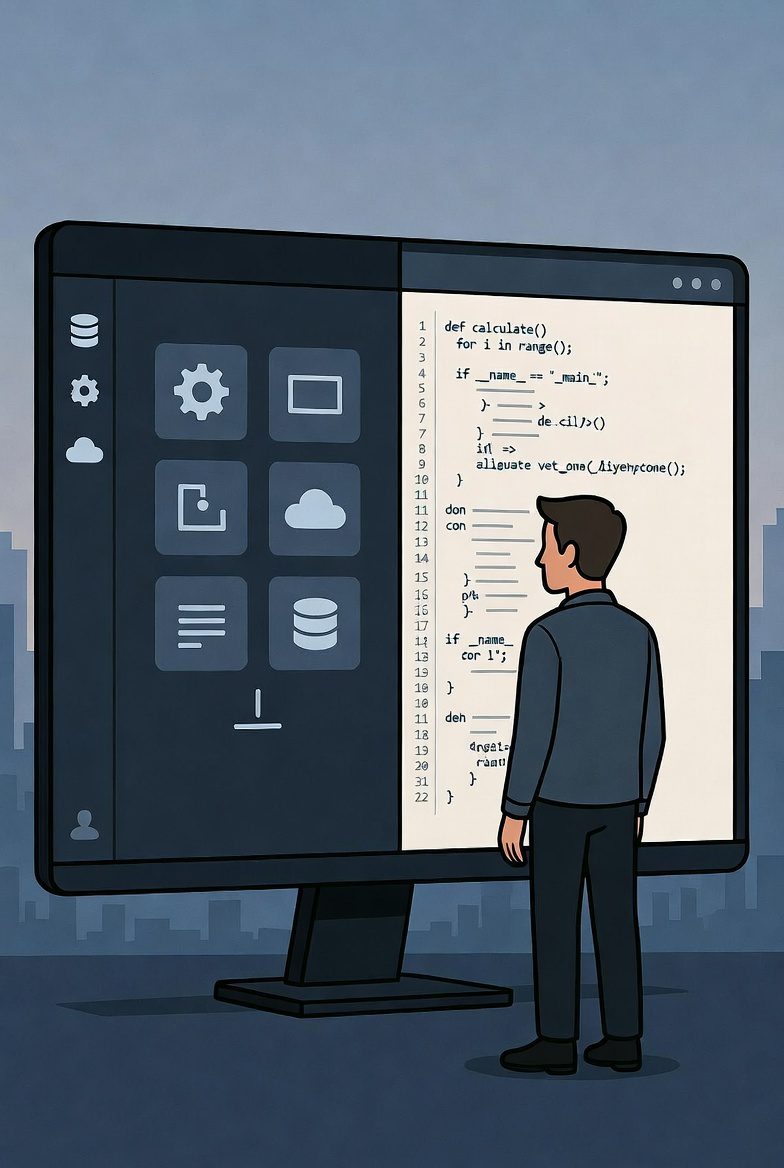
No-code tools have revolutionized the way we create software, empowering non-technical users with intuitive drag-and-drop builders. These platforms have made it possible for anyone to build web applications, automations, and workflows without writing a single line of code. The rise of no-code platforms and AI-generated code is changing the software development landscape, making development more accessible and faster.
However, as with any tool, no-code platforms have their limitations. While they excel in simplicity and ease of use, they remain limited in customization and scalability. Complex systems and performance-critical workloads require fine-tuned control and optimization, which no-code tools often struggle to provide. As a result, no-code tools are not suitable for high-stakes projects that demand precision and reliability.
The increasing adoption of no-code platforms has led to the emergence of ‘no code in the age of AI’, where artificial intelligence and machine learning algorithms take over the coding process. This synergy has opened up new possibilities for non-technical users to create software, but it also raises important questions about the trade-offs between ease of use and performance.
While no-code tools and AI-assisted development are making it possible for more people to create software, full-code development remains essential for complex systems and performance-critical workloads. The expertise and flexibility that come with writing code from scratch are still unmatched, and many developers prefer the granular control it offers.
As the software development landscape continues to evolve, it’s clear that no-code tools will play a significant role in shaping the future of development. However, it’s equally important to recognize their limitations and the value of full-code development in specific contexts. By combining the strengths of both approaches, we can unlock new possibilities for software creation and innovation.
Low-Code Platforms: A Balance Between Speed and Flexibility
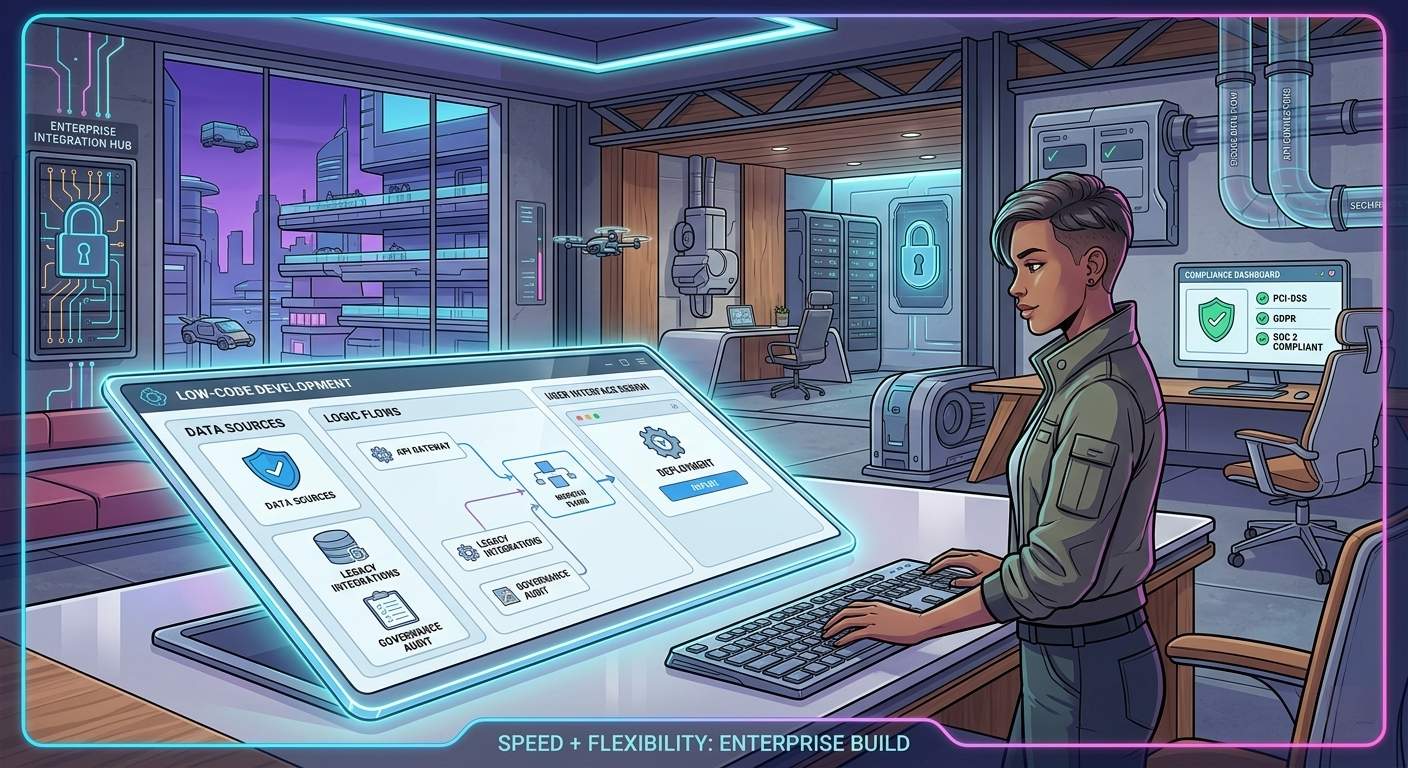
In today’s fast-paced business landscape, organizations are constantly seeking ways to accelerate their development processes without compromising on quality or flexibility. This is where low-code platforms come into play – offering a perfect balance between speed and flexibility. By providing a visual development environment, low-code platforms enable users to create applications quickly, without requiring extensive coding knowledge.
The best part? These platforms offer the option to add custom code, allowing developers to fine-tune their applications as needed. This flexibility is crucial for enterprise workflows that require both speed and agility. With low-code platforms, businesses can rapidly develop and deploy applications that meet the unique needs of their organization.
But what about the notion of ‘no code in the age of AI’? While it’s true that AI-powered tools are making it possible to create applications with minimal coding, low-code platforms take this concept a step further. By providing a user-friendly interface and automated processes, low-code platforms empower users to create complex applications without needing to write a single line of code.
In addition to their speed and flexibility, low-code platforms also provide a range of benefits that are essential for enterprise environments. These include governance, security, compliance, and enterprise-grade integrations. This means that businesses can focus on developing applications that drive value, without worrying about the underlying infrastructure.
By leveraging low-code platforms, organizations can accelerate their development processes, improve collaboration, and reduce the risk of errors. Whether you’re a seasoned developer or a business leader, low-code platforms offer a powerful solution for creating applications that meet the needs of your organization.
The Role of AI in Code Generation
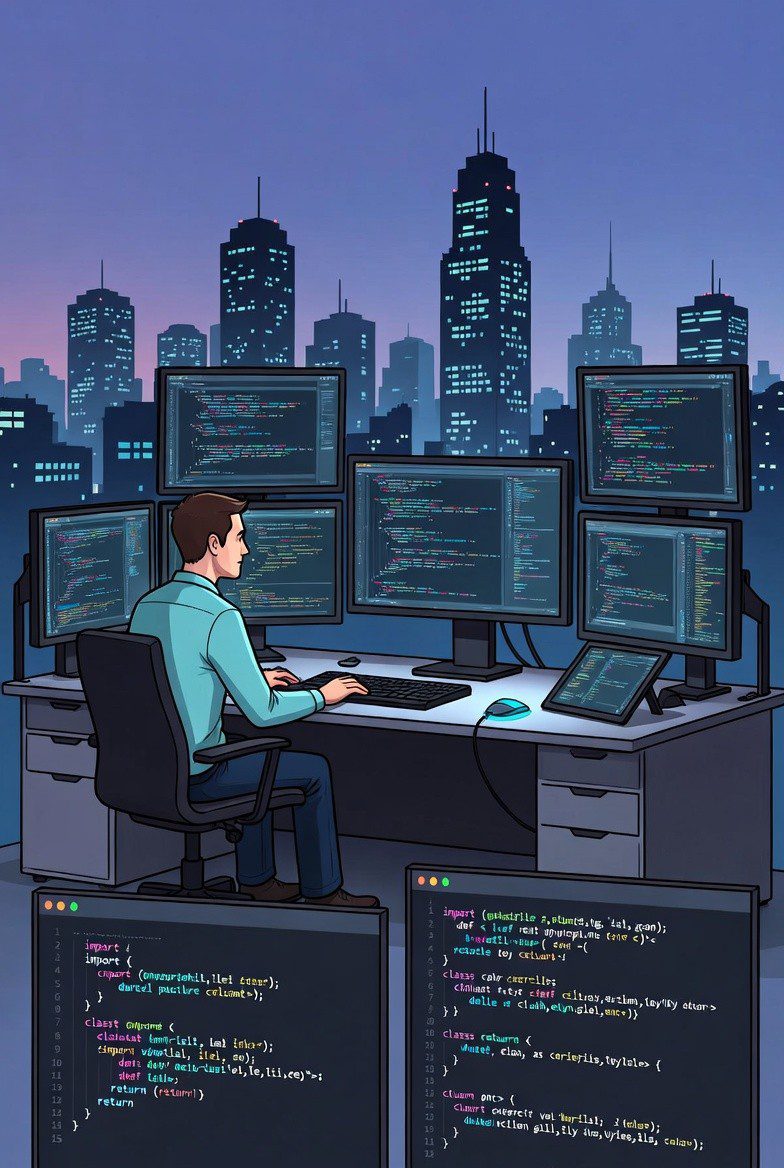
The world of coding is undergoing a revolution, and it’s no code in the age of AI. AI-assisted development tools like Copilot and CodeWhisperer are now generating production-ready code at an unprecedented pace. This has sparked both excitement and skepticism among developers, as it challenges traditional notions of what it means to be a coder. On one hand, these tools have reduced the gap between low-code speed and full-code power, allowing developers to focus on higher-level tasks and delivering applications faster than ever before.
Imagine being able to write a feature in minutes, rather than hours. That’s the promise of AI-generated code. But, as we dive deeper, it’s essential to acknowledge the limitations of these tools. AI-generated code often lacks the nuance and attention to detail that experienced developers bring to the table. It may not account for edge cases, or consider the long-term maintainability of the codebase. These oversights can lead to a perfect storm of bugs, errors, and technical debt that can be challenging to resolve.
Despite these limitations, AI-generated code is here to stay. As we continue to push the boundaries of what’s possible, we’ll need to adapt and learn how to work alongside AI tools. The key to success lies in understanding the strengths and weaknesses of these tools, and using them in conjunction with human expertise to create robust, scalable, and maintainable software. By doing so, we can unlock the full potential of AI-generated code and create a new era of innovation, where humans and machines collaborate to build the future.
The Evolution of Backend Roles
The world of backend development is at a crossroads. As Artificial Intelligence takes center stage, the way we approach coding is undergoing a significant shift. Gone are the days of tedious, repetitive tasks like writing boilerplate code. Instead, backend developers will be focusing on high-level tasks that require strategic vision and technical expertise.
One of the key changes we can expect is a move away from manual coding and towards a more collaborative approach with AI-generated code. This concept is often referred to as ‘no code in the age of AI’, where developers can work alongside AI to streamline processes, reduce errors, and increase productivity. By leveraging AI’s capabilities, developers can focus on what they do best: designing architectures, validating integrations, and ensuring reliability.
As we enter this new era, the role of the backend developer is evolving, not disappearing. In fact, the demand for skilled developers who can work effectively with AI is on the rise. To remain relevant, developers will need to adapt to new tools and technologies, learning to harness the power of AI to drive innovation and growth.
The benefits of this shift are numerous. By automating routine tasks, developers can free up time to focus on high-level decision-making, driving business growth, and improving user experiences. Moreover, AI-generated code can reduce the risk of human error, ensuring that applications are more stable, secure, and efficient.
The long-term consequence of this evolution is not the disappearance of backend roles but their transformation. As AI takes on more routine tasks, developers will emerge as strategic leaders, driving innovation and growth in the age of AI.
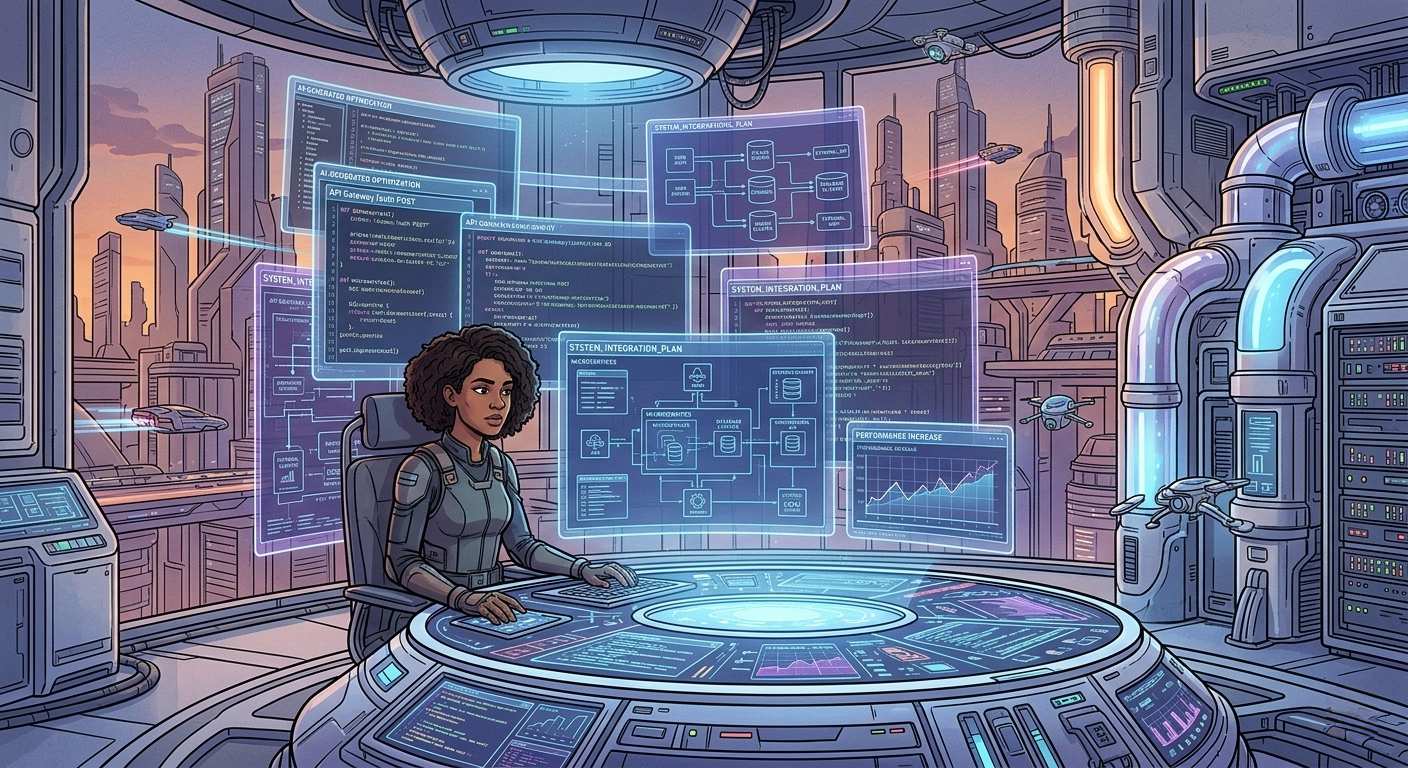
Conclusion: Embracing the Future of Software Creation
The software development landscape is undergoing a profound transformation, driven by the rapid advancement of technology. As we look to the future, one thing is clear: the shift to automated software creation is not only inevitable but also accelerating at breakneck speed. Gone are the days of tedious coding and manual labor; the era of efficiency and innovation is upon us.
At the forefront of this revolution are low-code platforms and AI-assisted development tools. These game-changers are empowering developers to create applications and software solutions with unprecedented speed and agility. By leveraging the power of artificial intelligence, these platforms are streamlining the development process, allowing teams to focus on high-level design and strategy rather than getting bogged down in mundane tasks.
But what does this mean for the role of backend developers? In the age of AI, their expertise will no longer be confined to code writing and debugging. Rather, they will evolve to become master system designers, orchestrators, and productivity enhancers. With AI taking care of routine tasks, backend developers will be free to focus on higher-level problems, such as:
- Designing scalable and secure systems
- Ensuring seamless integration with various components
- Augmenting productivity through AI-driven workflows
As we venture into the future of software creation, it’s essential to acknowledge that ‘no code in the age of AI’ is no longer a distant fantasy but a very real possibility. With AI-assisted development and low-code platforms leading the charge, the possibilities are endless, and the future of software creation has never looked brighter. By embracing this revolution, we can unlock unprecedented levels of innovation, efficiency, and success in the world of software development.