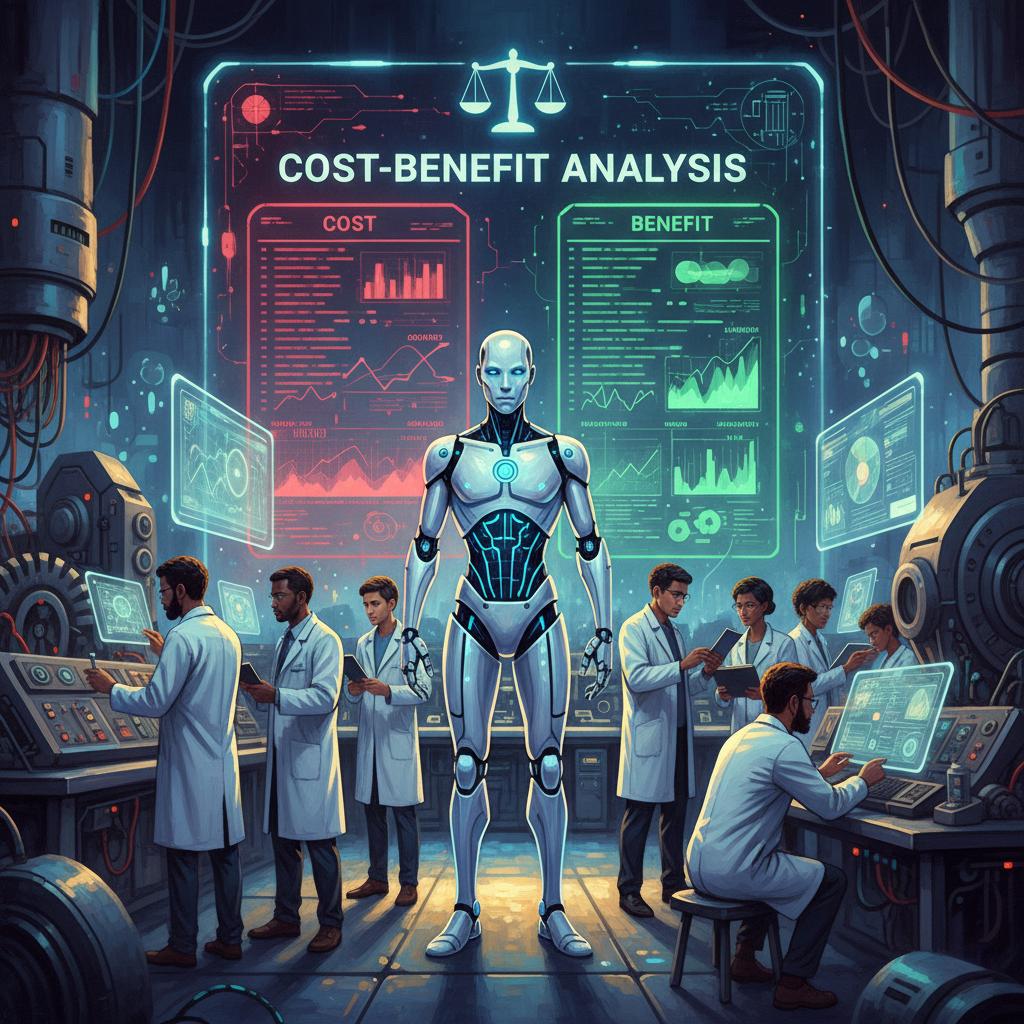
Agentic AI 2026 marks a significant shift towards autonomous AI agents in industries worldwide. This year is framed as the “year of agentic AI,” emphasizing goal-directed autonomy. Analysts forecast a substantial increase in enterprise adoption of agentic AI systems.
As the tech world is revolving around artificial intelligence for already several years, the buzz around Agentic AI 2026 is one of the most frequently mentioned latest innovations. For those who might be new to this concept, Agentic AI refers to a specific subset of artificial intelligence that’s designed to exhibit autonomous behavior, similar to humans. These AI agents can learn, adapt, and make decisions without direct human intervention, which is a game-changer for industries worldwide.
The push towards goal-directed autonomy is a significant shift in the AI landscape. Companies are now looking to harness the power of Agentic AI to streamline processes, boost efficiency, and drive innovation. Analysts predict that in 2026, enterprises will adopt Agentic AI systems at an unprecedented rate, with some forecasts suggesting a whopping 300% increase in adoption rates.
But what does this mean for the present and near future? Well, we’re already seeing glimpses of Agentic AI 2026 in action. From self-driving cars to AI-powered customer service chatbots, the technology is slowly but surely seeping into our daily lives. As we move closer to full adoption, we can expect to see even more innovative applications of Agentic AI.
The future of work is also likely to be heavily influenced by Agentic AI. As AI agents take on more responsibility, humans will need to adapt and learn new skills to work alongside these autonomous systems. It’s an exciting time, but also a challenging one. Will companies be able to keep up with the pace of innovation, or will they get left behind? Only time will tell.
Let’s see in today’s post what it the status of present and near future.

Agentic AI Automations
Agentic AI systems can automate multi-step workflows, enhancing productivity for software engineers. Improvements in reasoning, large-context handling, and tool integration underpin agents’ reliability. Agents emphasize minimal human prompting for task-specific autonomy.
The emergence of Agentic AI systems has revolutionized the way software engineers work. By automating multi-step workflows, these intelligent agents have significantly enhanced productivity, freeing engineers from mundane tasks and allowing them to focus on high-value activities. With the ability to reason, learn, and adapt, these systems have become an indispensable tool for software development teams.
One of the key factors contributing to the reliability of Agentic AI is their advanced reasoning capabilities. These agents can analyze complex data, identify patterns, and make informed decisions, making them an invaluable asset in software development. Additionally, their large-context handling capabilities enable them to understand the nuances of software development, allowing them to provide accurate and relevant solutions.
The seamless integration of Agentic AI with existing tools and technologies is another crucial factor in its reliability. By leveraging APIs and other integration mechanisms, these agents can easily interact with popular development tools, making it possible for software engineers to work with them in a familiar and intuitive environment. As the technology continues to evolve, we can expect even greater advancements in Agentic AI 2026, enabling software engineers to work more efficiently and effectively than ever before.
By minimizing human prompting, agents can operate with a high degree of autonomy, allowing software engineers to focus on higher-level tasks. This not only enhances productivity but also reduces the risk of human error, ensuring that software development projects are completed on time and within budget. As the adoption of Agentic AI continues to grow, we can expect to see significant improvements in software development productivity and overall efficiency.

Adoption of Agents
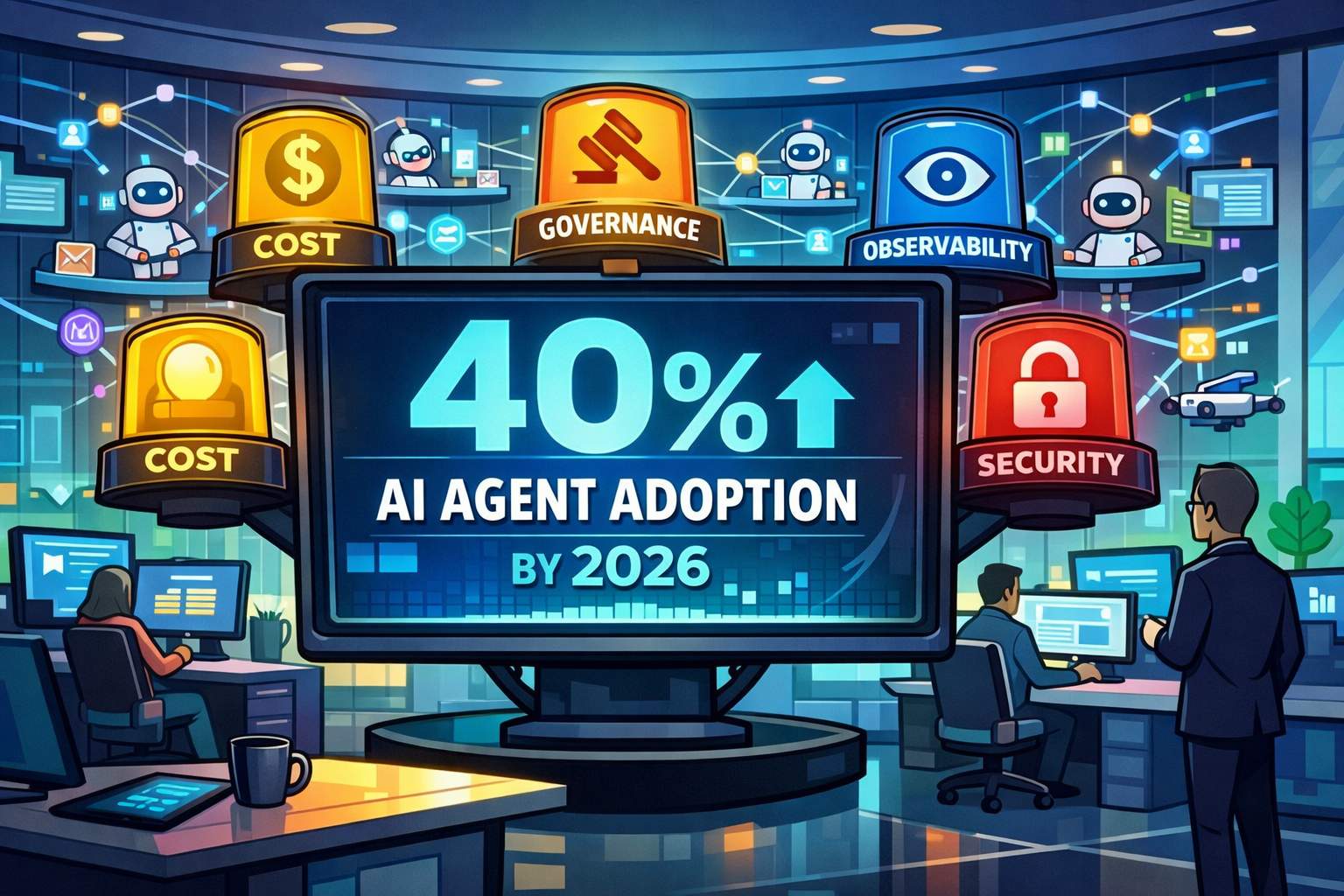
The adoption of agentic AI in enterprises is expected to exceed 40% by end of 2026. As the world becomes increasingly digital, companies are turning to artificial intelligence to drive innovation and stay ahead of the competition. But while the benefits of agentic AI are clear, its adoption remains a complex and multifaceted challenge.
Cost, governance, observability, and security remain key bottlenecks for real-world deployment. The high cost of developing and maintaining AI systems can be a significant barrier to entry, particularly for smaller organizations. Governance and regulatory frameworks are also evolving rapidly, creating uncertainty and complexity for businesses that need to adapt quickly.
But as companies like yours navigate these challenges, there’s a growing recognition of the power of multi-agent orchestration. This pattern is emerging as a more powerful approach than single agents, allowing organizations to create complex, dynamic systems that can adapt to changing circumstances.
The adoption of agentic AI is expected to exceed current use vastly, with more businesses leveraging its potential to drive growth and innovation. As this trend takes hold, it’s essential to focus on the key areas that will make or break the success of agentic AI in your organization.
One of the most significant opportunities lies in the development of robust, scalable architecture that can handle the complexities of multi-agent systems. This requires a deep understanding of data integration, process automation, and machine learning, as well as the ability to integrate these technologies seamlessly into existing infrastructure.
By getting ahead of these challenges, you can unlock the full potential of agentic AI 2026 and stay at the forefront of innovation in your industry.
Operations Impact
Agentic AI has already impacted operations like customer support automation and logistical coordination. Early adopters have seen measurable ROI in real-world deployment scenarios. Practical constraints, like cost and governance, hinder widespread adoption.
As we dive into the world of Agentic AI, it’s clear that the technology has already begun to transform the way businesses operate. From automating mundane customer support tasks to streamlining logistical coordination, the benefits of Agentic AI are becoming increasingly apparent.
One of the most significant advantages of Agentic AI is its ability to automate repetitive and time-consuming tasks, freeing up human resources to focus on more strategic and high-value activities. For instance, companies like IBM and Google have successfully deployed Agentic AI in their customer support systems, resulting in significant improvements in response times and customer satisfaction.
In addition to its practical applications, Agentic AI is also driving innovation and growth. According to a recent report, early adopters of Agentic AI have seen measurable ROI in real-world deployment scenarios, with some companies reporting up to 30% increases in productivity and efficiency.
However, despite its many benefits, the widespread adoption of Agentic AI is still hindered by practical constraints, such as cost and governance. As we look to the future of Agentic AI 2026, it’s clear that these challenges will need to be addressed if the technology is to reach its full potential.
Despite these challenges, the potential benefits of Agentic AI are undeniable. As the technology continues to evolve and improve, we can expect to see even more innovative applications and use cases emerge. With its ability to automate, innovate, and drive growth, Agentic AI is poised to have a profound impact on the way businesses operate in the years to come.

From Prompts to Objectives
For backend engineers, agentic AI shifts focus from prompts to defining objectives and system observability.
In the rapidly evolving landscape of artificial intelligence, a significant shift is underway. Gone are the days of simply tossing prompts at AI systems and hoping for a desired outcome. For backend engineers, the tides of change are moving towards a more nuanced approach, where the focus is on defining clear objectives and system observability.
Agentic AI APIs and platforms are leading this charge, prioritizing objectives, guardrails, and observability above all else. These cutting-edge tools empower developers to craft AI systems that are not only intelligent but also reliable and transparent. By emphasizing objectives, they ensure that AI systems remain focused on the task at hand, without getting sidetracked by irrelevant information.
In addition, the integration of guardrails allows for a safer and more controlled AI experience. By setting boundaries and parameters, developers can mitigate the risks associated with AI decision-making and maintain a level of accountability. This is particularly crucial in high-stakes applications, where the consequences of AI failure can be severe.
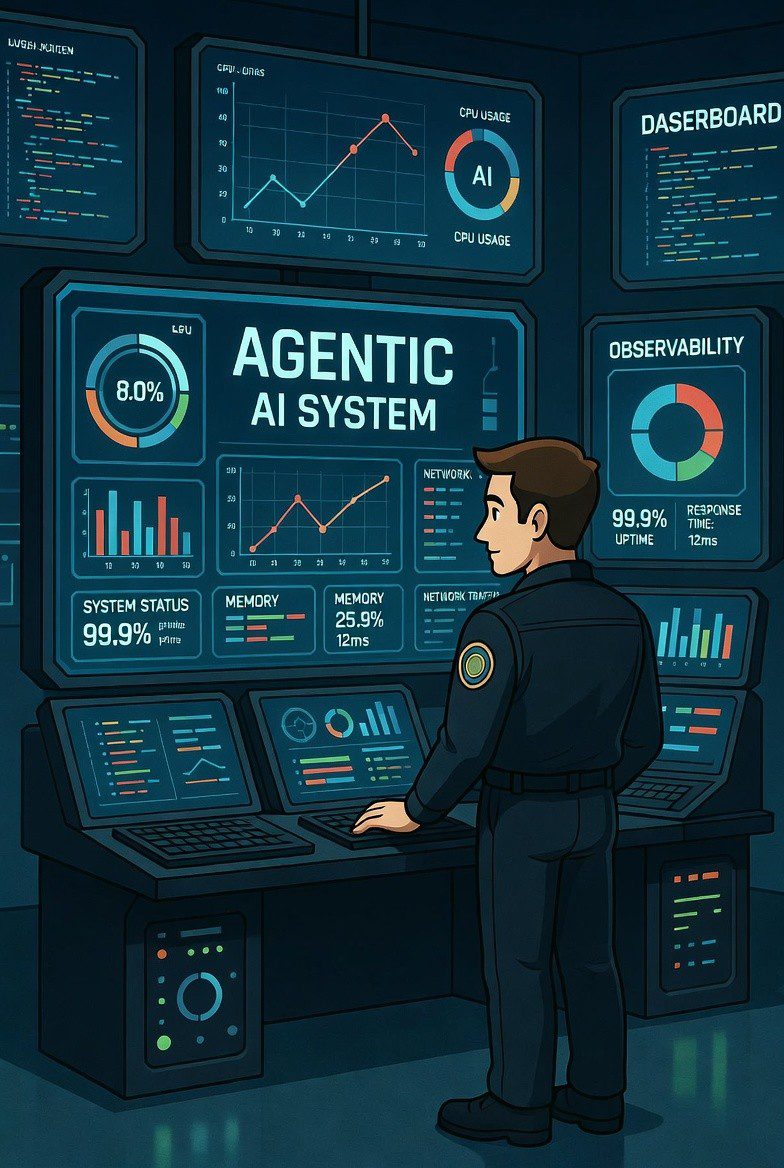
Meanwhile, system observability is becoming an increasingly crucial aspect of agentic AI development. By providing real-time insights into AI behavior and performance, developers can identify areas of improvement and fine-tune their systems to deliver optimal results.
As we move towards new implementations, the importance of agentic AI will only continue to grow. These systems are leading the charge, it’s clear that a new era of AI development is upon developers – one where objectives, guardrails, and observability take center stage.
Foundational Protocols
Foundational protocols liek MCP/A2A and tooling standards suggest durable evolution in current development. Enterprise investments also demonstrate its growing significance. Agentic AI 2026 represents a major milestone in tech development.
As we dive into the world of artificial intelligence, it’s becoming increasingly clear that agentic AI is leading the charge. These autonomous or self-aware AI systems can make decisions and take actions independently. This paradigm shift has sparked significant interest among investors, researchers, and enterprises alike, and for good reason.
Foundational protocols and tooling standards are emerging, providing a solid foundation for the evolution of agentic AI. These standards are being developed to ensure that agentic AI systems are safe, reliable, and transparent. By establishing these protocols, researchers and developers can focus on creating more advanced and sophisticated agentic AI systems.
Companies are recognizing the potential of agentic AI to revolutionize industries such as healthcare, finance, and transportation. By harnessing the power of agentic AI, enterprises can gain a competitive edge, improve efficiency, and enhance customer experiences.
One major milestone that will mark the progress of agentic AI is full autonomous systems. This represents a major breakthrough in tech development, where agentic AI systems will be able to make decisions and take actions that are not only autonomous but also aligned with human values.
The implications of Agentic AI 2026 will be far-reaching, and it’s essential that we invest in research and development to ensure that these systems are designed with ethics and safety in mind. As we move closer to this milestone, one thing is certain: agentic AI is here to stay, and its impact will be felt across industries and societies worldwide.

Another AI Revolution in Progress
The early days of agentic AI research were marked by unbridled enthusiasm and sky-high expectations. However, as the technology has matured, so have the challenges and complexities associated with its development. While the hype may have diminished, the progress made in agentic AI research has been nothing short of remarkable.
At the forefront of this evolution are pioneers who have been pushing the boundaries of what’s possible with agentic AI. Their work has not only driven innovation but also paved the way for tangible applications. Take, for instance, the early adopters who have successfully integrated agentic AI systems into their operations. These forward-thinking organizations have been able to unlock significant returns on investment, often exceeding initial projections.
From traditional software companies to manufacturing factories, agentic AI system can optimize many production workflows. By leveraging the system’s predictive capabilities, the companies are also able to reduce production times and enhance overall efficiency.
As we look ahead to Agentic AI 2026, it’s clear that the technology will continue to play a vital role in shaping the future of various industries. To fully realize its potential, we must address the existing bottlenecks that are currently holding it back. Chief among these are cost, governance, and security concerns.
By tackling these challenges, we can unlock the true power of agentic AI and create a future where humans and machines collaborate seamlessly to drive progress and innovation. The journey ahead may be complex, but the potential rewards are well worth the effort.