Autonomous vehicles are increasingly enabled by AI algorithms and sensor fusion from LiDAR, radar, and cameras. Edge AI and in-vehicle processing reduce latency and dependency on cloud computing for split-second autonomous driving decisions.
AI in Autonomous Vehicles is enhancing vehicle reasoning and scenario testing for safer autonomy. By leveraging advanced algorithms and machine learning techniques, these systems can detect and respond to complex scenarios on the road, from pedestrian detection to emergency vehicle signaling. The integration of LiDAR, radar, and cameras provides a 360-degree view of the environment, enabling vehicles to make informed decisions and react to unexpected situations.
Despite significant advancements in autonomous driving technology, the industry is still facing numerous challenges. One major hurdle is the complexity of real-world scenarios, which can be difficult to replicate in simulation. This has led to a reliance on large-scale testing programs, which can be time-consuming and expensive.
Another challenge is the need for regulatory frameworks to keep pace with emerging technologies. As autonomous vehicles become more prevalent, there will be a growing need for standardized regulations to ensure public safety and confidence. Furthermore, the development of AI in Autonomous Vehicles is a rapidly evolving field, with new breakthroughs and innovations emerging regularly.
The promises of autonomous vehicles are already a decade long. With so much hype and anticipation surrounding this technology, it’s natural to wonder why we haven’t seen wider adoption yet. In this article, we’ll delve into the current state of autonomous driving and explore the key factors driving progress forward.

AI Advancements
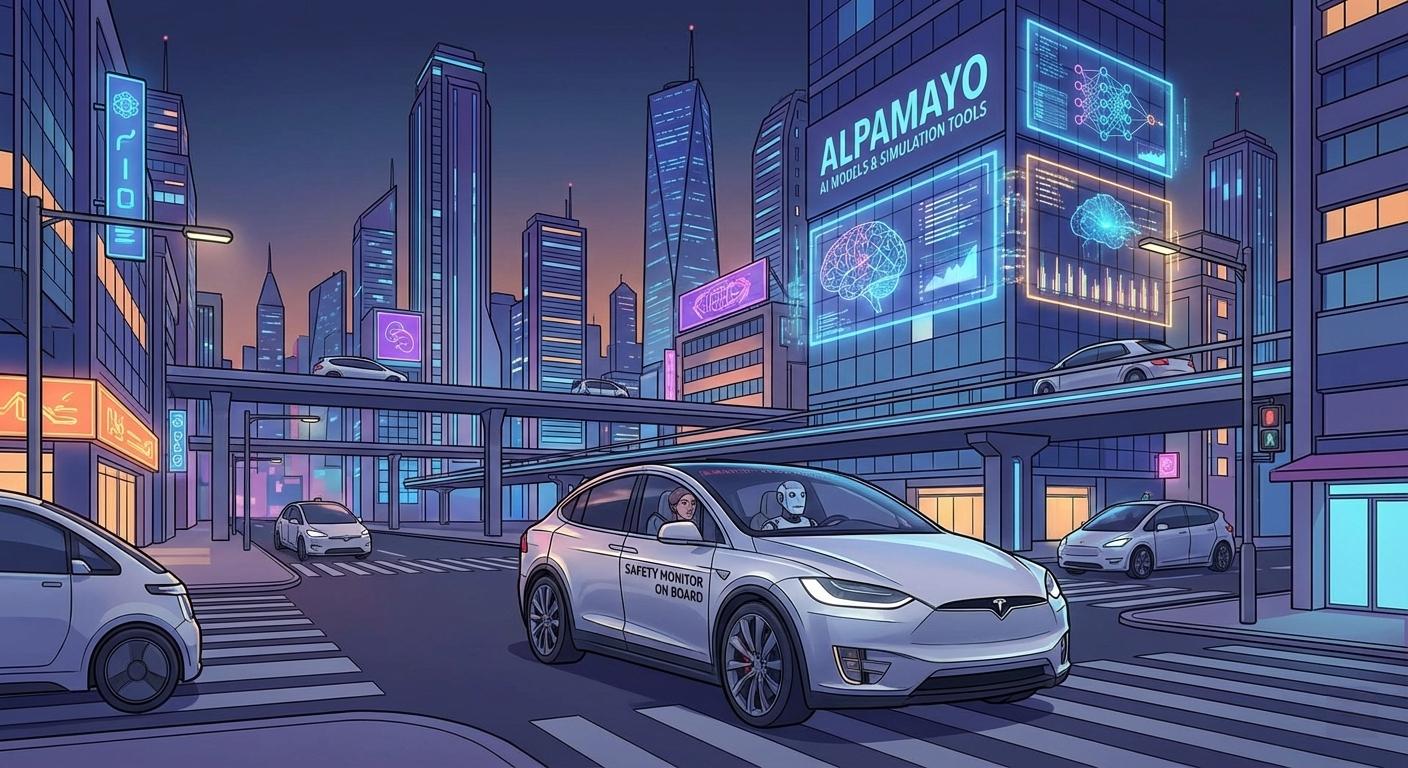
NVIDIA’s Alpamayo AI models and simulation tools are revolutionizing the field of autonomous vehicles, advancing vehicle reasoning and scenario testing to unprecedented levels. These cutting-edge tools are enabling developers to create more sophisticated AI systems, capable of handling complex real-world scenarios with ease.
Major Original Equipment Manufacturers (OEMs) and providers are expanding their robotaxi fleets with enhanced AI drivers, paving the way for commercial operations. This is a significant step towards the widespread adoption of autonomous vehicles, and it’s not hard to see why. With AI in Autonomous Vehicles continuing to improve at a rapid pace, the benefits of autonomous transportation are becoming increasingly clear.
One notable example is Tesla’s Robotaxi, which is currently in early deployment with human safety monitors on board. This cautious approach is a testament to the industry’s commitment to safety, and it’s a crucial step towards building trust in AI-powered transportation systems. However, despite these advancements, there are still many challenges to overcome before autonomous vehicles can be used by everyone.
The truth is, creating a reliable and safe AI system is an incredibly complex task. It requires solving a multitude of engineering problems, all while ensuring the safety of human lives. Until the advancements in AI in Autonomous Vehicles are on par with those of human drivers, it’s unlikely that we’ll see a complete shift to autonomous transportation. Nevertheless, the progress being made is undeniable, and it will be exciting to see how the industry continues to evolve in the years to come.
Market and Industry Growth
Market forecasts show explosive growth in autonomous and AI-enhanced vehicle platforms. The future looks bright, with projected multi-trillion-dollar industries by the 2030s. This is no surprise, given the rapid progression of autonomous and AI-enhanced vehicle platforms. These cutting-edge technologies are driving industry growth, as companies continue to invest in innovation and research.
However, with great expectations come great challenges. The path to full automation is not without its hurdles. Decades of research and development have yet to yield the promised results. While AI in Autonomous Vehicles has made tremendous strides, regulatory frameworks and engineering complexities continue to stomp the path forward.
Despite these challenges, companies remain committed to their vision. Many are working tirelessly to overcome the obstacles, pouring resources into AI and machine learning research. The results are promising, with advancements in areas like computer vision, sensor fusion, and predictive analytics.
As the industry continues to evolve, we’re seeing the emergence of new business models and revenue streams. From autonomous ride-hailing services to AI-powered logistics, the possibilities are endless. While it’s still early days for the industry, one thing is clear: the future of transportation is being rewritten before our eyes.
The question on everyone’s mind is: can companies actually deliver on their promises? Only time will tell, but one thing is certain – the next decade will be pivotal in shaping the future of autonomous and AI-enhanced vehicle platforms. With innovation and perseverance, we may finally see the dawn of a new era in transportation.

Advanced Driver Assistance Systems
Advanced driver assistance systems (ADAS) are becoming ubiquitous and serve as stepping stones toward full autonomy. These innovative systems provide safety features and improve driver experience, making our roads a safer and more enjoyable place to be. ADAS are essential for a smooth transition to full autonomy, and it’s fascinating to see how far we’ve come already.
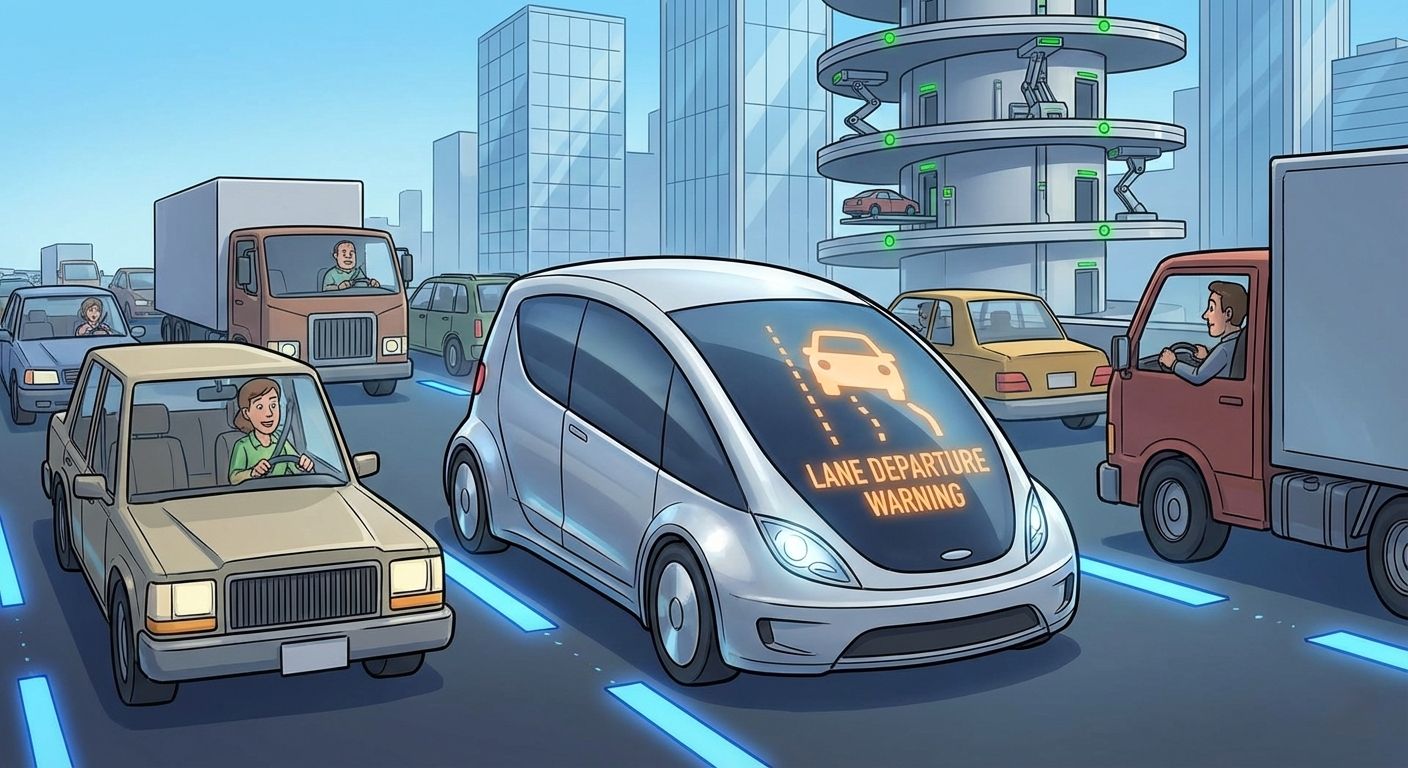
Here is the clear implemented parts – people already can use systems that help with driving like staying in lanes for highways or automated parking. These features are no longer a novelty, but a standard expectation for many drivers. For instance, adaptive cruise control, which adjusts speed to maintain a safe distance from the vehicle ahead, is now a common feature in many modern vehicles.
However, going fully from point A to point B is still a huge challenge. While ADAS have made significant progress, the complexity of fully autonomous vehicles, especially when it comes to navigating through busy city centers or inclement weather conditions, remains a significant hurdle. The integration of AI in Autonomous Vehicles, such as machine learning algorithms and computer vision, is crucial in overcoming these challenges.
To achieve full autonomy, vehicles need to be able to perceive their surroundings, make decisions in real-time, and interact with other road users. This requires a high level of sophistication, especially when it comes to handling complex scenarios like construction zones or pedestrian crossings. Despite the challenges, the advancements in ADAS and AI in Autonomous Vehicles are taking us one step closer to a future where transportation is safer, more efficient, and more enjoyable.
Safety and Challenges
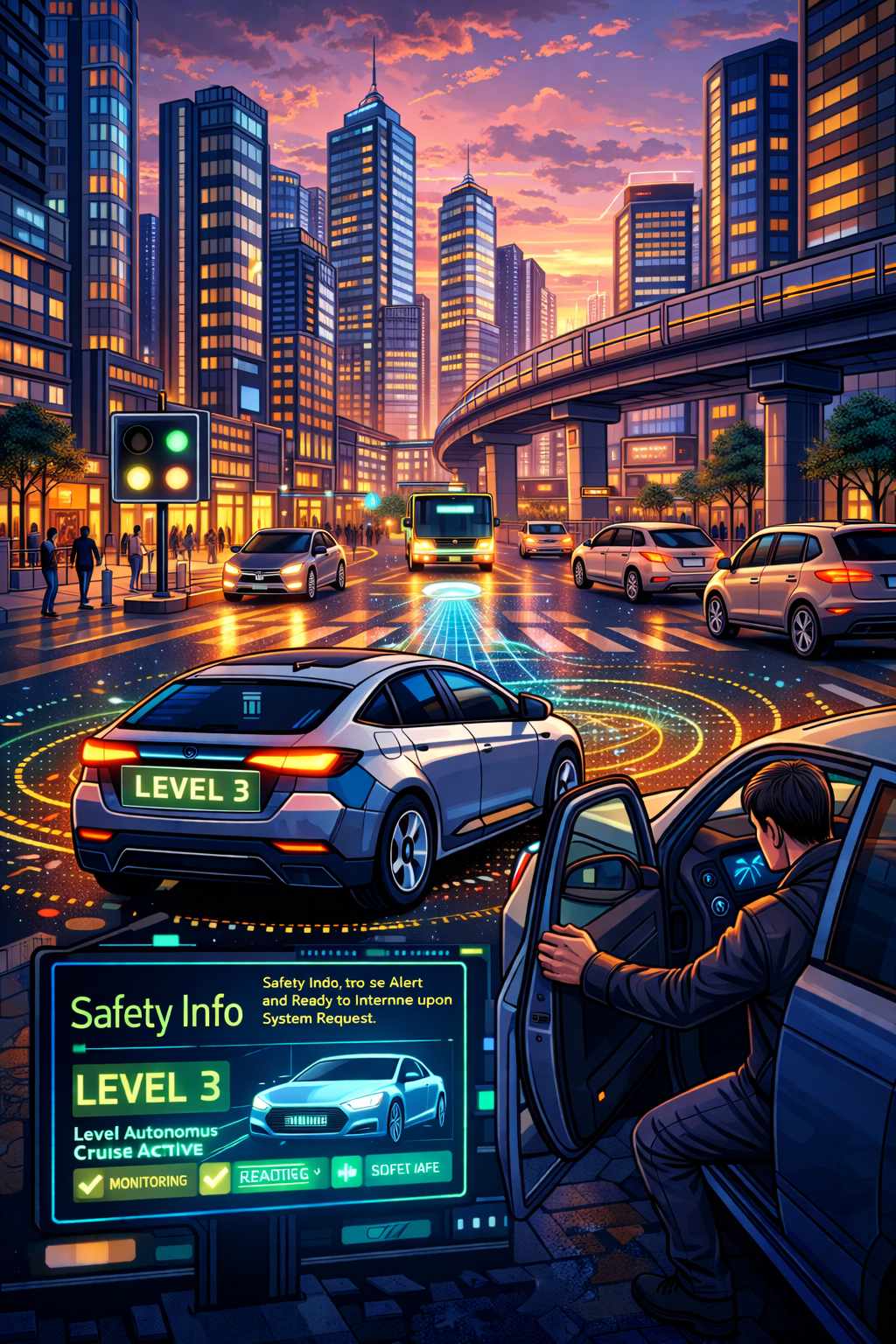
Safety outcomes in autonomous pilots suggest dramatic accident reduction potential. The numbers are astonishing – fewer crashes, reduced fatalities, and a marked decrease in overall road risk. But, the reality on the ground is far more complex. Regulatory and operational challenges, such as Level 3 system halts, underline the real-world complexity of widespread autonomy. These technical issues highlight the difficulties in transitioning from experimental prototypes to commercially viable solutions.
One of the primary concerns is the lack of standardization in autonomous vehicle technology. Different manufacturers employ varying levels of AI in Autonomous Vehicles, making it challenging for regulatory bodies to create uniform guidelines. Furthermore, the public’s perception of autonomous vehicles plays a significant role in their adoption. People need proofs that using autonomous vehicles is MUCH safer than actually driving by themselves. Until that trust is established, widespread adoption will be limited.
Until it is truly safe, autonomous vehicles cannot be ubiquitous. The industry must demonstrate their capabilities and reliability before people are willing to hand over control to a machine. Even with all the possible benefits, people can be conservative when using such advanced technology for driving. The phrase “safety first” takes on a whole new meaning in the context of autonomous vehicles.
To overcome these challenges, the industry must work together to create a unified framework for development and deployment. By addressing regulatory and operational hurdles, we can unlock the full potential of autonomous vehicles and create a safer, more efficient transportation system for all.
Emerging Segments
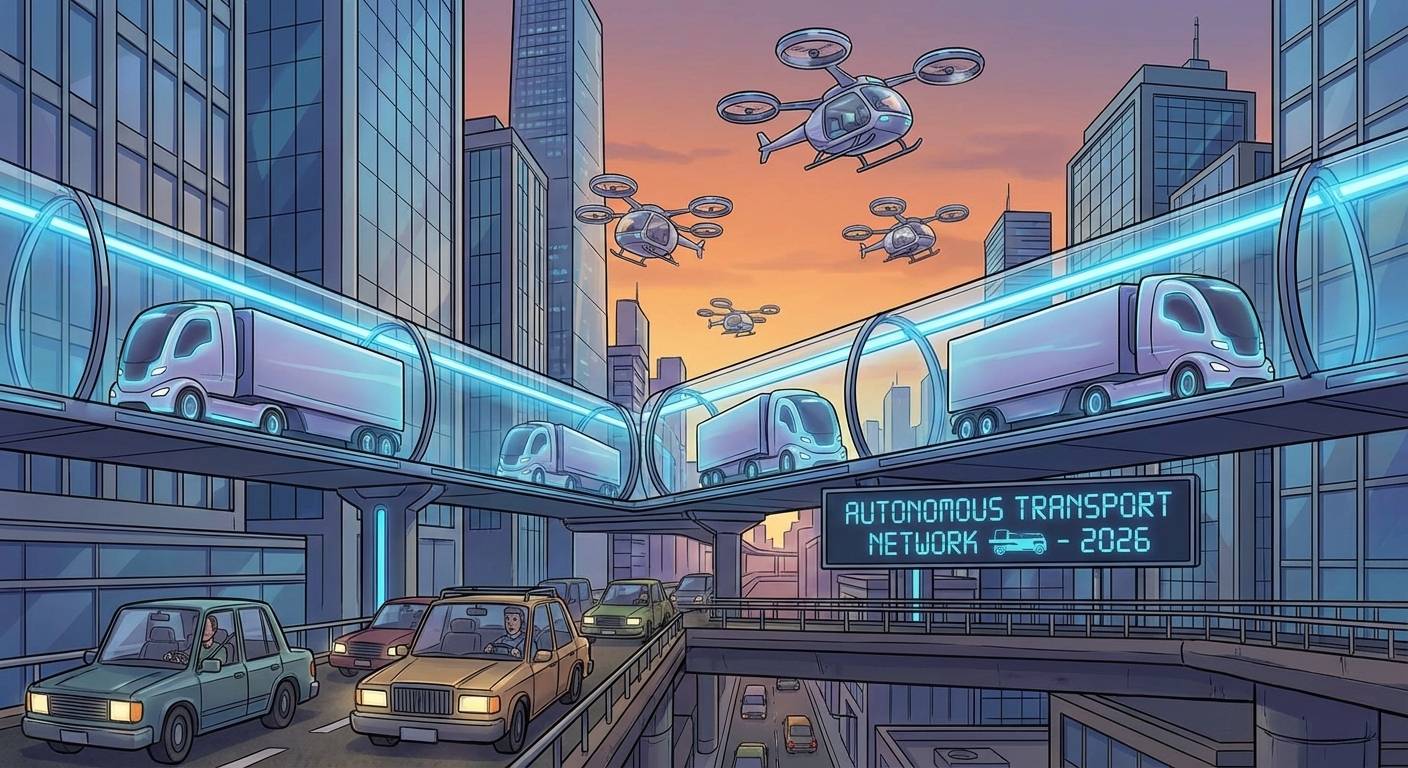
Autonomous freight, trucking corridors, and aerial urban mobility (eVTOL) are emerging segments that are pushing the boundaries of vehicle autonomy. These segments expand the scope of vehicle autonomy beyond cars, opening up new opportunities for innovation and growth. With the rapid advancement of technology, we are witnessing the emergence of new industries and markets that were previously unimaginable.
The possible usages of autonomous vehicles are much bigger than cars only. From transportation to logistics, the applications are vast and varied. Even these submarkets are very interesting for companies, offering a chance to disrupt traditional industries and create new business models. One interesting trend is that it might be easier to solve the problem of autonomy for trucks rather than for personal vehicles. This could be due to the fact that trucks operate on designated routes, making the development and deployment of autonomous systems more predictable and manageable.
The integration of AI in Autonomous Vehicles is a key enabler of this trend. By leveraging advanced machine learning algorithms, companies can develop autonomous vehicles that can navigate complex environments, make decisions in real-time, and adapt to changing circumstances. As the technology continues to evolve, we can expect to see significant improvements in safety, efficiency, and productivity.
The emergence of autonomous freight, trucking corridors, and aerial urban mobility (eVTOL) is not only a technological innovation but also a strategic opportunity for companies to establish a foothold in new markets. As the world becomes increasingly connected and interdependent, the demand for efficient and reliable transportation systems will only continue to grow. By embracing the potential of autonomous vehicles, companies can position themselves for success in a rapidly changing landscape.
Still a Bumpy Road Ahead?
As we’ve explored the exciting world of AI in Autonomous Vehicles, one thing is clear: the future of transportation is rapidly evolving. With AI-powered autonomous vehicles becoming increasingly advanced, we’re witnessing the development of safer and more efficient transportation systems. The benefits are undeniable – reduced accidents, improved traffic flow, and enhanced mobility for all.
As autonomous vehicles continue to transform industries and markets, widespread adoption is expected in the coming years. We’re already seeing glimpses of this shift, with many companies investing heavily in AI-powered transportation solutions. The possibilities are endless, from ride-sharing services to cargo delivery, and beyond.
However, despite the progress being made, there are still significant obstacles to overcome. Technology, regulation, and prejudice all pose challenges that must be addressed before AI in Autonomous Vehicles can reach its full potential. Even with the most advanced autonomous systems, there’s still a long way to go in terms of public trust and acceptance.
But what about the future? Will we eventually reach a point where autonomous vehicles become the norm, and human-driven vehicles are prohibited due to safety reasons? It’s a notion that may seem far-fetched, but not entirely impossible. In fact, it’s not hard to imagine a world where the benefits of AI in Autonomous Vehicles – reduced accidents, improved traffic flow, and enhanced mobility – become so compelling that the switch to autonomous vehicles becomes inevitable.
What do you think? Do you believe a future where autonomous vehicles are the only option is possible? Share your thoughts in the comments below!