

The concept of AI automated customer support has been widely debated, with some companies hailing it as a revolutionary solution and others dismissing it as a fleeting trend. But what does the reality look like? Is AI automated customer support a gamechanger or a just hype? Does it live up to its promise of transforming service efficiency and customer experience?
For companies that deliver food, the answer is a resounding yes. By implementing an AI-powered chatbot, they were able to reduce the number of customer complaints and queries by a significant margin. The chatbot was able to handle routine tasks such as order tracking, menu suggestions, and even cancellations, freeing up human customer support agents to focus on more complex issues.
On the other hand, other companies have reported mixed results. While the AI-powered chatbot was able to handle routine queries efficiently, it struggled to provide personalized support to customers with complex issues. In some cases, the chatbot even escalated the issue, leading to frustration on both sides.
The key to success lies in striking a balance between automation and human intervention. Companies like IBM have developed AI-powered chatbots that can switch between automated and human modes seamlessly, ensuring that customers receive the best possible support.
Ultimately, the effectiveness of AI automated customer support depends on various factors, including the company’s industry, customer base, and specific pain points. While it may not be a one-size-fits-all solution, it can certainly be a valuable tool in the right context. In this article, we will delve deeper into the world of AI automated customer support, exploring its benefits, challenges, and best practices for implementation.
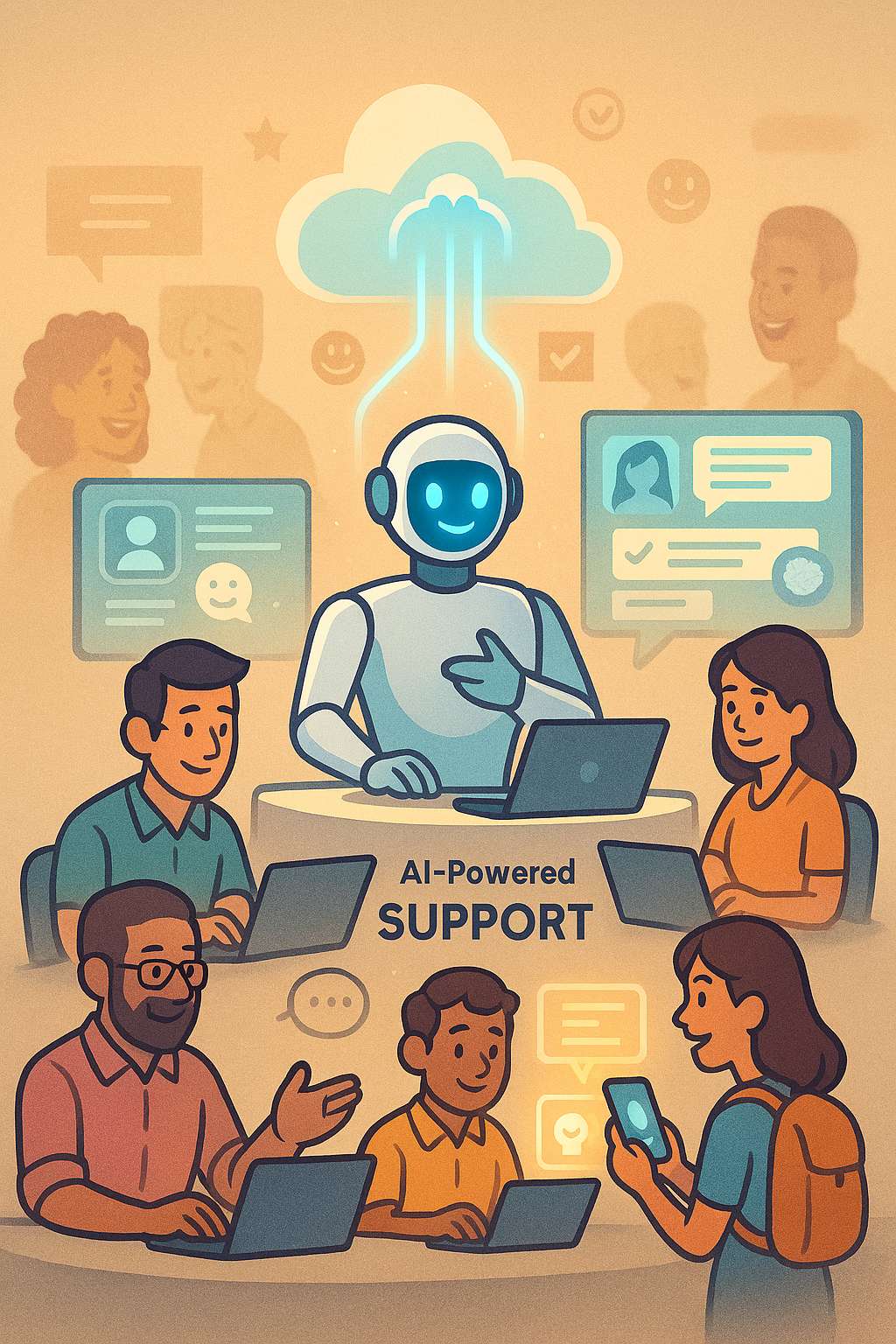
Every Company Wants to Try Automated Customer Support
According to some surveys, 85% of service leaders plan to explore or pilot conversational GenAI for customer-facing Support, showing strong enterprise momentum.
The future of customer support is rapidly changing, and it’s no surprise why. With the increasing demand for faster, more efficient, and personalized experiences, businesses are turning to innovative solutions like generative AI. According to recent statistics, a staggering 85% of service leaders plan to explore or pilot conversational GenAI for customer-facing support by 2025, indicating strong enterprise momentum.
One of the key benefits of GenAI is its ability to cut handling times and provide 24/7 resolution on routine inquiries. In measured deployments, call durations have been reduced significantly, allowing customers to get the help they need quickly and easily. This not only improves the overall customer experience but also reduces the workload for human customer support agents, enabling them to focus on more complex and high-value tasks.
But what about accuracy? Large vendors like Salesforce are reporting high AI accuracy, claiming an impressive 93% correct inquiry handling rate. While this is a significant achievement, it’s worth noting that humans are still often used for complex cases that require empathy, nuance, and human judgment. This hybrid approach allows businesses to maximize the benefits of AI automated customer support while still providing exceptional support for customers who need it most. As the technology continues to evolve, we can expect to see even more innovative applications of GenAI in the customer support space.

Using Automated Support Is Not That Easy
Many implementations automate only basic FAQs and simple requests, with humans still needed for complex, emotional, or nuanced issues. It’s a common misconception that AI automated customer support can handle every single query and concern. However, the reality is that many chatbots and virtual assistants struggle to provide the level of support customers crave.
Surveys show a majority of consumers still prefer human interaction for meaningful support and distrust AI for complex problems. When it comes to critical issues that require empathy and understanding, there’s no substitute for a real person. While AI can provide quick answers and solutions to basic questions, it often falls short when it comes to addressing the emotional and psychological aspects of customer complaints.
Consumer behavior research suggests some customers are even rude or frustrated with chatbots when they fail to resolve issues promptly. This can lead to a negative experience, damaging the brand’s reputation and driving customers away. In contrast, human support agents can provide a more personalized and empathetic experience, helping to build trust and loyalty with customers.
The limitations of AI automated customer support become particularly apparent when it comes to sensitive topics, such as refund and return policies, or complaints about products and services. In these situations, customers need to be able to speak with a real person who can understand their concerns and provide a solution. While AI has its place in improving customer support, there’s still a need for human interaction to provide the level of support and care that customers expect from a brand.

Hybrid Models Pave the Path
Hybrid models that combine AI first pass with human escalation are emerging as the practical standard to balance cost, speed, and satisfaction.
In an era of rapid technological advancements, it’s no surprise that customer support has become a critical aspect of businesses seeking to maintain a competitive edge. The quest for a perfect balance between speed, cost, and customer satisfaction has led to the development of innovative solutions. Among these solutions, hybrid models that combine artificial intelligence with human interaction are gaining traction as the practical standard for customer support.
At the heart of these hybrid models lies the concept of AI automated customer support, which leverages machine learning algorithms to provide instant solutions to common customer queries. By automating routine tasks, businesses can significantly reduce their support costs while enhancing the overall customer experience. However, even with AI automated customer support, there are instances where human intervention is necessary to resolve complex or sensitive issues.
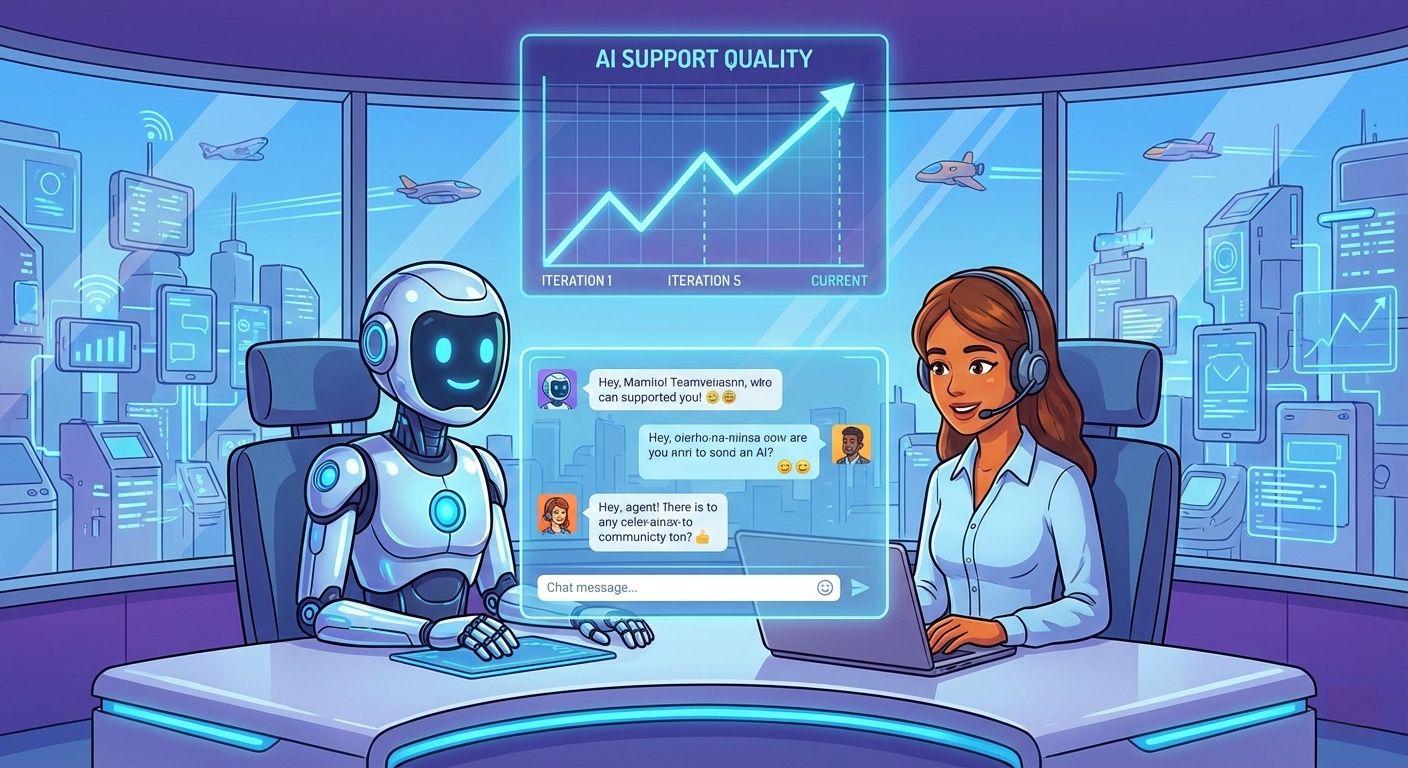
Research on advanced LLM feedback systems, such as the “Agent-in-the-Loop” model, has shown that iterative improvement via human signals can significantly enhance AI support quality over time. This approach enables AI to learn from human feedback and adapt to evolving customer needs. As a result, businesses can create a support ecosystem that is both efficient and empathetic, striking a perfect balance between cost, speed, and customer satisfaction.
By embracing hybrid models that combine AI and human interaction, businesses can unlock the full potential of customer support. With AI automated customer support handling routine queries and human agents stepping in to resolve complex issues, companies can provide a seamless and personalized experience that leaves a lasting impression on their customers.
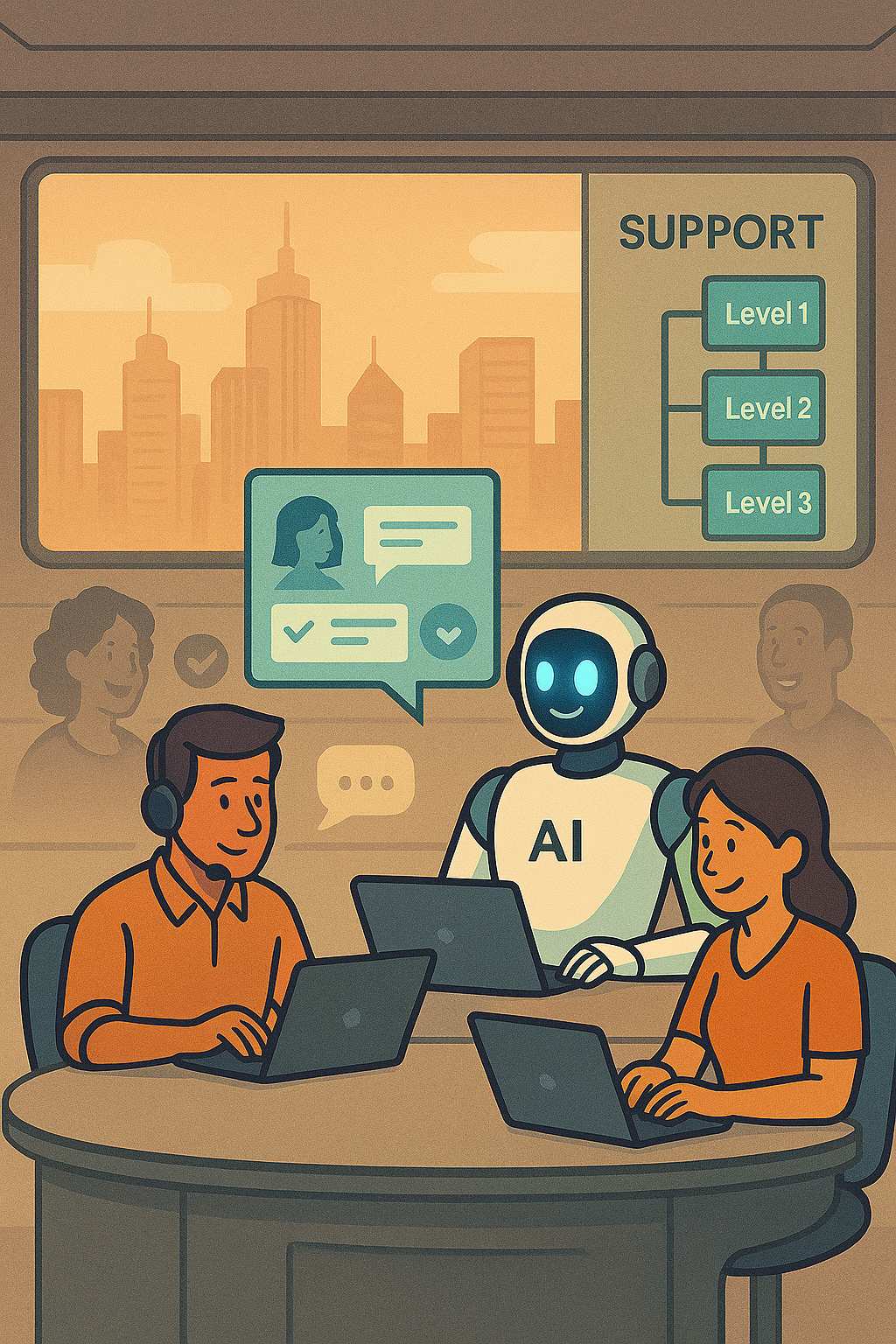
Limitations on the Way
Despite hype, real outcomes vary widely between simple task automation and holistic support quality. While AI automated customer support has made significant strides in recent years, it’s essential to separate fact from fiction and understand its limitations.
On one hand, AI automated customer support provides some undeniable benefits. It can cut handling times and provide 24/7 resolution on routine inquiries, freeing up human support agents to focus on more complex and high-value tasks. Furthermore, AI powered chatbots can handle a massive volume of conversations simultaneously, making them an attractive solution for large enterprises with high customer volumes.
However, the reality is that human touch is still essential in many customer support scenarios. Complex issues, nuanced requests, and sensitive customer concerns often require the empathy and emotional intelligence of a human support agent. While AI automated customer support can provide accurate and efficient responses to simple queries, it can fall short when faced with more intricate or emotionally charged issues.
The accuracy of AI automated customer support can vary depending on the complexity of the issue and the quality of the AI model used. In many cases, AI automated customer support systems may struggle to understand the nuances of human language, leading to misinterpretation or misdirection. This can result in frustrated customers, lost sales, and damaged brand reputation.
Ultimately, the success of AI automated customer support implementations depends on careful planning and execution. By understanding its limitations and strengths, businesses can create a hybrid support model that leverages the benefits of AI while still providing the human touch that customers crave.

Big Potential Meets Real World
We’ve reached the end of our journey into the world of AI automated customer support. As we’ve seen, this innovative approach has both its benefits and limitations. While it can provide quick and efficient solutions to common customer issues, it’s not always the perfect answer.
That’s why hybrid models that combine AI automated customer support with human interaction are becoming increasingly popular. By leveraging the strengths of both AI and human support, businesses can create a seamless customer experience that’s tailored to their unique needs.
Research on advanced LLM feedback systems has shown that iterative improvement via human signals can significantly enhance AI support quality over time. This means that as AI automated customer support systems learn from human feedback, they become more accurate and effective in resolving customer issues.
However, AI automated customer support can only go so far. While it can provide a good starting point for customer support, human escalation is often necessary to resolve complex or sensitive issues. This is where human support agents come in, using their empathy and expertise to provide personalized solutions.
So, what’s the key to success in AI automated customer support? Careful planning and execution. By understanding the strengths and limitations of AI automated customer support, businesses can create a system that’s tailored to their unique needs and provides a seamless customer experience. With the right approach, AI automated customer support can be a powerful tool for delivering exceptional customer service and driving business success.
Let me know your experience in the comment section below!
Resource links:
https://www.gartner.com/en/newsroom/press-releases/2024-12-09-gartner-survey-reveals-85-percent-of-customer-service-leaders-will-explore-or-pilot-customer-facing-conversational-genai-in-2025
https://smallest.ai/blog/generative-ai-customer-service
https://www.chanl.ai/blog/why-customers-prefer-humans-over-ai