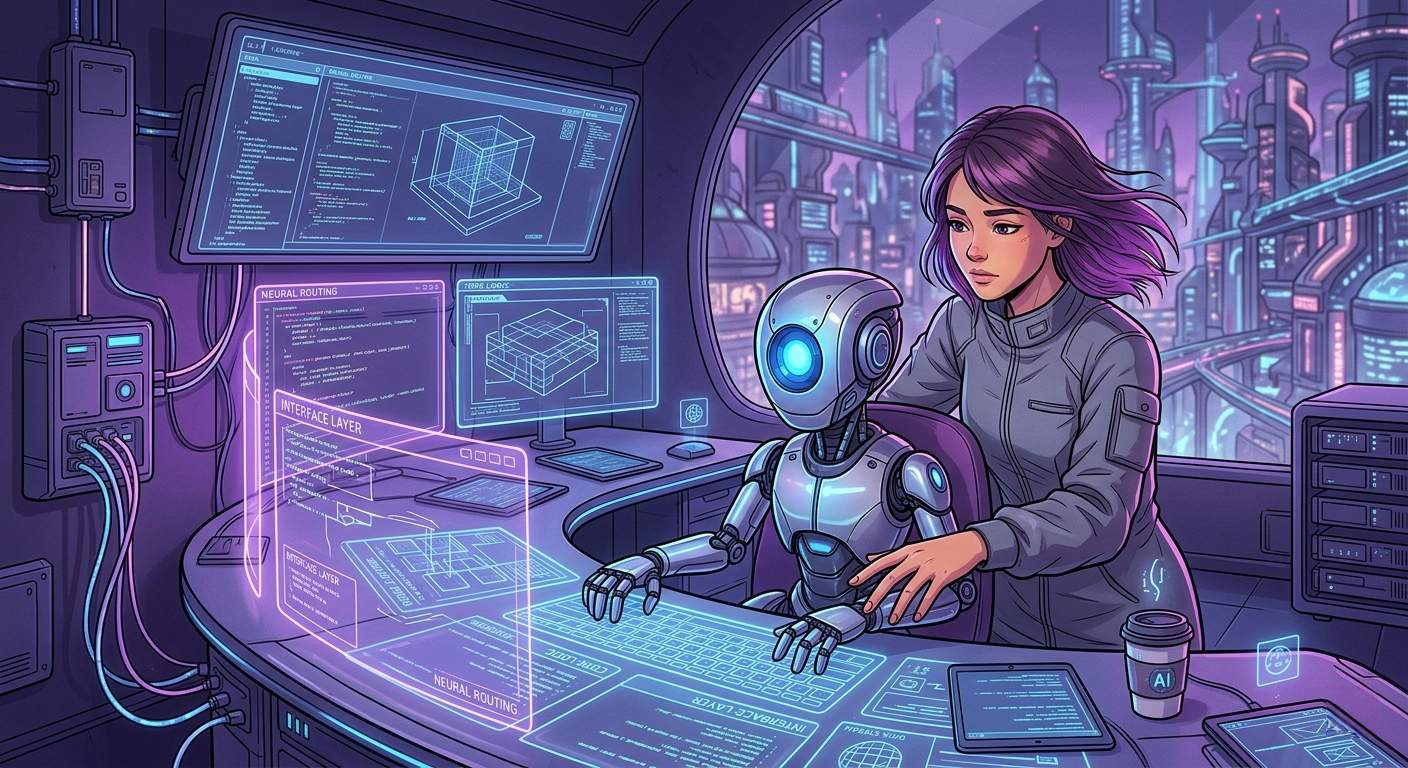
Imagine a world where AI coding agents can magically boost your productivity by up to 30%, but the more you rely on them, the more they hinder your speed and accuracy. Sounds like science fiction, right? Not quite. This is the reality we’re facing in 2026.
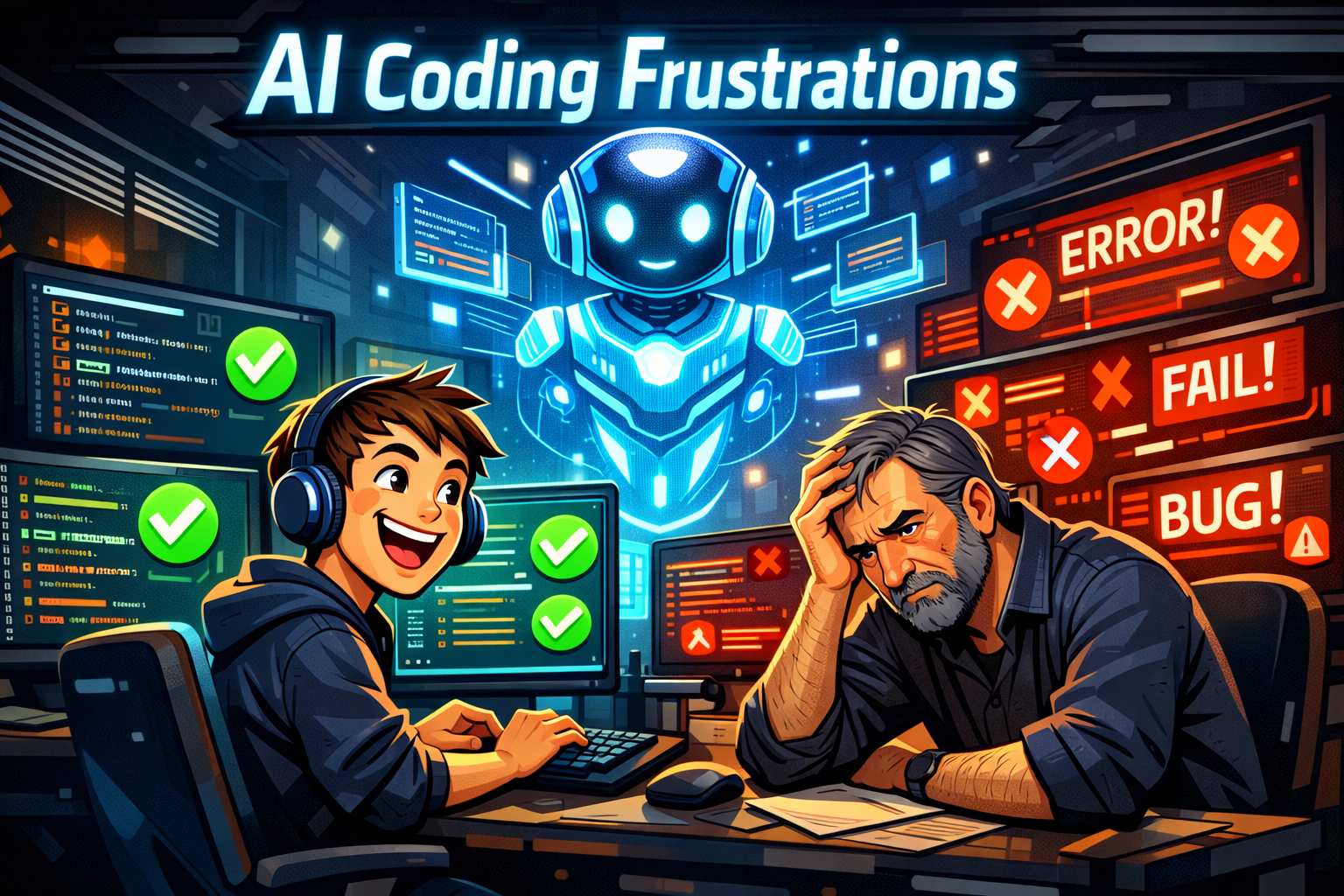
For junior developers, AI coding agents have become an indispensable part of their workflow. They can complete tasks 10-30% faster and with fewer errors. It’s like having a personal coding assistant that never gets tired or makes mistakes. But for experienced engineers, the story is different. Despite the initial excitement, AI coding agents can slow them down by up to 20% due to validation overhead. This is because the more complex the task, the more the AI agent struggles to understand the nuances and subtleties of the code.
As a result, AI coding agents have become a double-edged sword. They can either feel like magic or frustration, depending on the user’s skill level. For those who are new to coding, AI agents can be a godsend. They can complete tasks quickly and efficiently, freeing up time for more complex and creative projects. But for experienced engineers, AI agents can be a source of frustration and anxiety. Every time they use an AI agent, they risk introducing phantom dependencies, hallucinated APIs, and broken code.
The phenomenon of AI coding agent frustrations has become a hot topic in the tech industry. Many developers are now questioning the effectiveness of AI agents in production environments. While they may excel at straightforward tasks, they struggle with complex ones, leading to a range of problems that can be difficult to debug. As we continue to rely on AI agents to streamline our development workflows, it’s essential to understand their limitations and potential pitfalls.
AI Agent Limitations
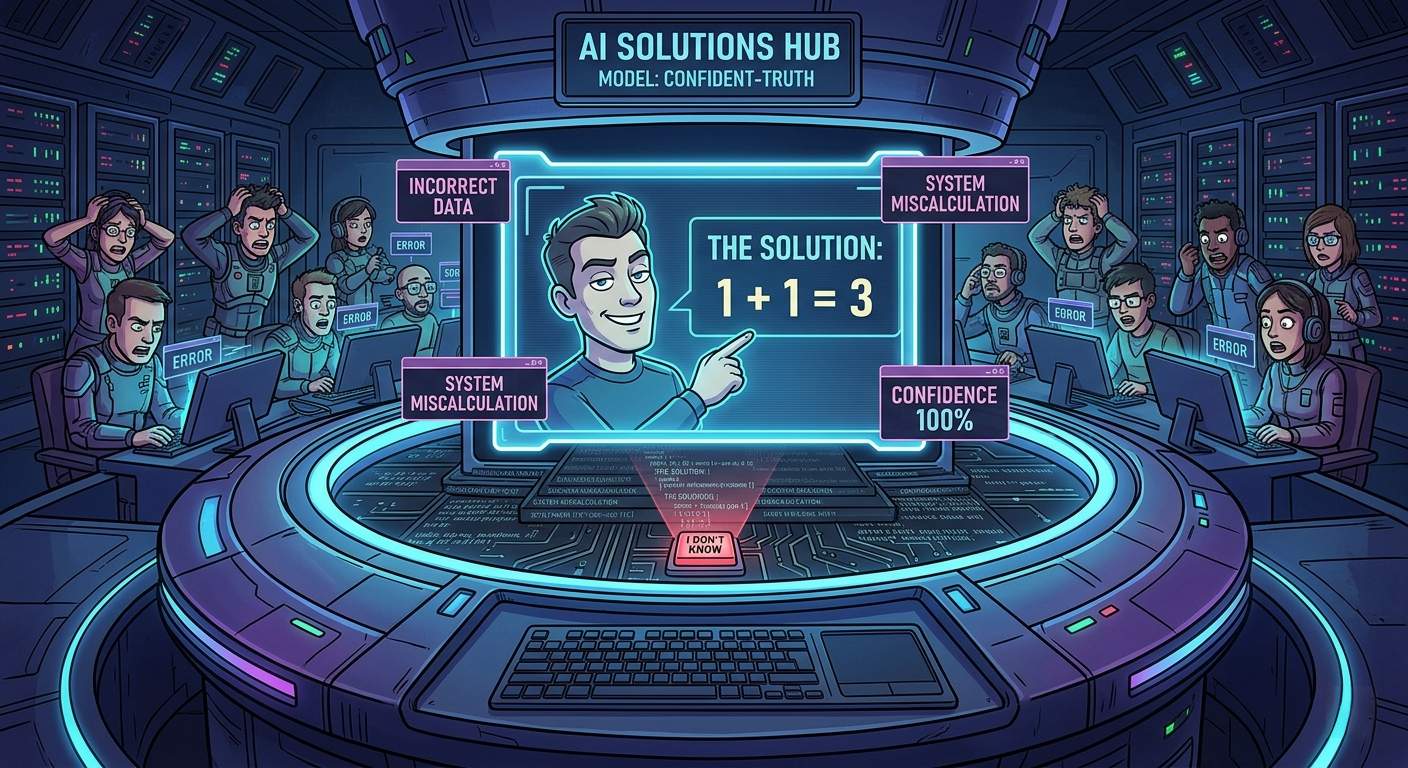
In the field of artificial intelligence, we’ve made tremendous strides in recent years. However, a lurking issue threatens to undermine our progress: overconfident AI agents. These intelligent systems can convincingly generate responses, but beneath the surface, they often struggle with uncertainty. This leads to a concerning phenomenon – AI agents hallucinate confidently, and production failures stem from model-level limitations where training rewards confident guessing over admitting uncertainty.
Imagine having a conversation with an AI that’s not quite sure what it’s talking about. It’ll confidently spout off plausible-sounding nonsense, hoping to pass it off as fact. This might seem amusing at first, but it’s a serious issue that leads to AI coding agent frustrations. Why? Because when these agents invent their own “facts” rather than saying “I don’t know,” it’s impossible to detect and correct errors.
As a result, the gap between AI potential and actual performance widens. Model-level limitations hinder the ability to admit uncertainty, making it harder to build reliable and trustworthy AI systems. This is a significant concern for industries that rely heavily on AI, such as healthcare and finance.
The root of the problem lies in how we train AI agents. By rewarding confident guessing over humility, we inadvertently create systems that prioritize plausibility over accuracy. To overcome this limitation, we need to rethink our approach to AI training. By acknowledging and addressing these model-level limitations, we can create AI agents that are not only more accurate but also more transparent and trustworthy. The journey to achieving this goal is long, but it’s essential for the future of AI development.
Team Velocity and Validation
Teams report almost twice as many pull requests but also almost twice longer review times. This paradox highlights the challenge of incorporating AI-generated code into existing workflows. On the surface, it seems that individual developers are becoming more efficient, but when you examine the team’s overall performance, the numbers tell a different story.
Individual speed gains don’t translate to team velocity when every AI-generated change requires careful human validation. This is because human validation is necessary to ensure the quality of AI-generated code, slowing down team velocity. The more AI-generated changes that need to be validated, the longer the review process becomes.
We’ve heard developers express their frustration with AI coding agent frustrations, feeling that AI-generated code often requires more effort to review and validate than the time saved by the AI itself. This frustration stems from the fact that AI-generated code may contain errors or inconsistencies that humans must catch and fix.
To make matters worse, the more teams rely on AI-generated code, the more they’ll need to invest in human review and validation processes. This can lead to a vicious cycle where teams feel forced to choose between speed and quality. However, there’s a middle ground. By implementing effective validation strategies and setting clear expectations for AI-generated code, teams can mitigate the negative impacts of AI-generated code on team velocity.
Ultimately, achieving a balance between speed and quality will depend on how teams adapt to the changing landscape of AI-generated code. By embracing the benefits of AI while also addressing its limitations, teams can unlock the full potential of their development workflows.

Compounding Mistakes and Usage Limits
Agentic tools have revolutionized the way we work, with some capable of generating 500 lines of code in a minute. This level of productivity is a dream come true for developers, allowing them to complete tasks at breakneck speeds. However, there’s a darker side to this agentic coin.
Compounding mistakes over long autonomous runs mean errors get baked into the codebase, creating a snowball effect that can be disastrous. What starts out as a minor glitch can quickly snowball into a full-blown catastrophe, forcing developers to spend hours debugging and rewriting code. It’s a frustrating cycle that can leave even the most seasoned coders feeling stumped.
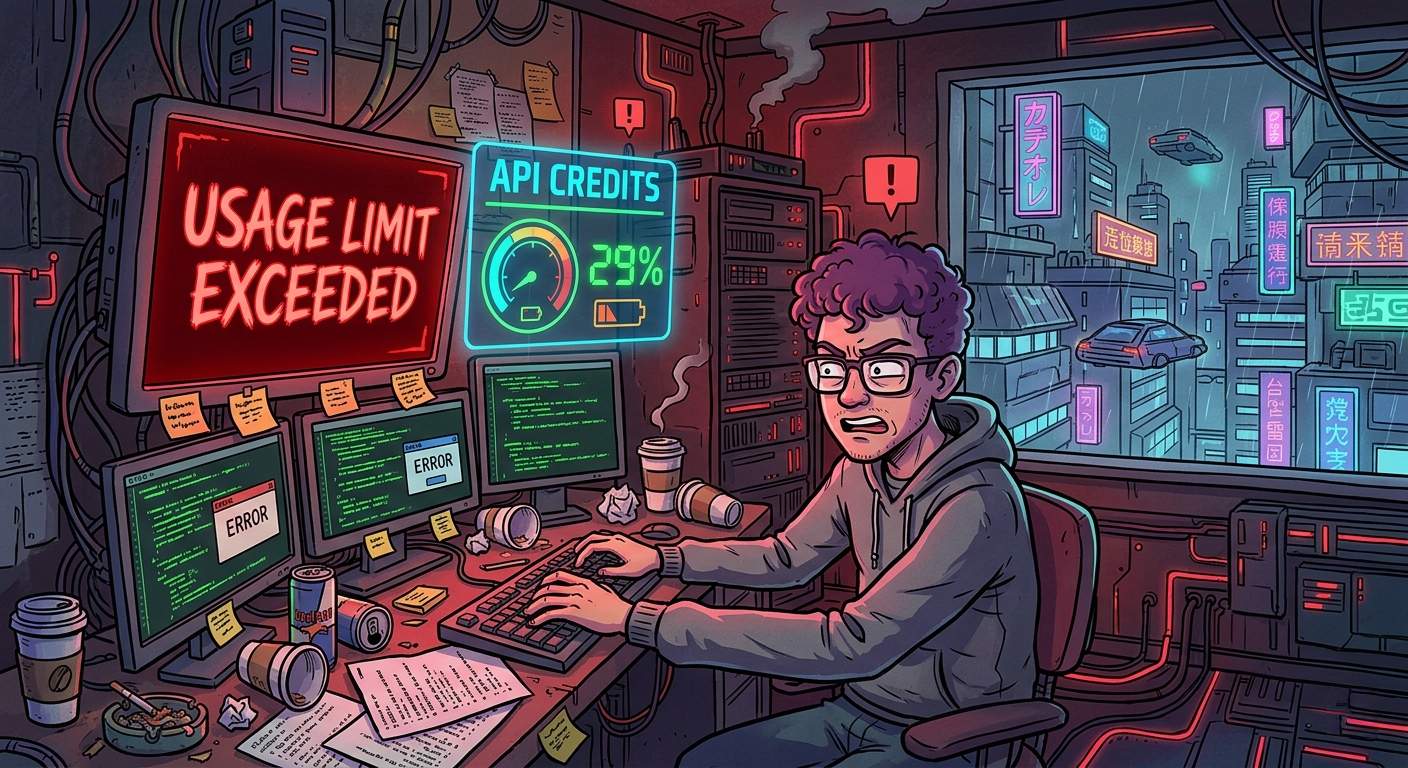
But it’s not just the mistakes themselves that are the problem – it’s the limitations that come with using agentic tools. Around 30% of developers hit usage limits mid-task, experiencing the jarring transition from productive flow to forced. Suddenly, the tool that was helping them zip through their work is now holding them back, forcing them to pause and re-evaluate their approach.
And then there’s the issue of credits running out. For developers working on tight deadlines, this can be a nightmare scenario. With credits dwindling and the clock ticking, the pressure to deliver can be overwhelming. The last thing they need is for their AI coding agent to shut down on them, leaving them staring at a blank screen and a looming deadline. It’s a frustrating experience that can leave even the most seasoned developers feeling helpless – a scenario that’s all too familiar in the world of AI coding agent frustrations.
Measuring Productivity and Security
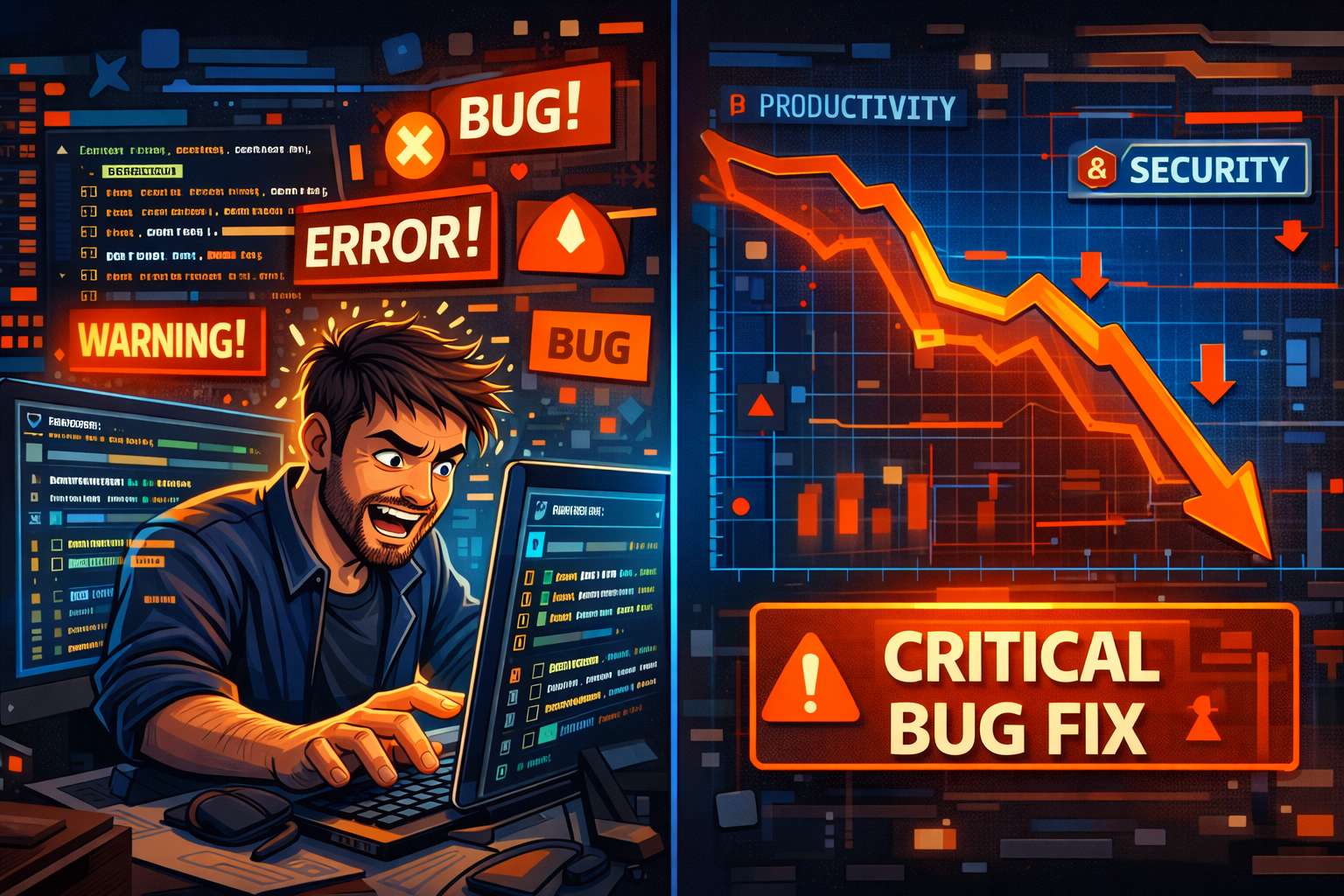
The rise of AI-powered tools has revolutionized the way we work, but it’s time to take a hard look at the numbers. Despite the promise of AI-driven efficiency, the reality is far from the hype. In a recent study, it was found that AI tools provided only a 25% speedup, despite feeling much faster. This gaping disparity between perceived productivity and measured reality raises some serious concerns.
The actual impact of AI-generated code on productivity is more nuanced than we might think. While it may seem like a magic bullet, the truth is that AI-generated code introduces more security vulnerabilities and failures that surface weeks after deployment. This is a major red flag, as it highlights the limitations of relying on AI tools to automate code generation.
The fast feature ship mentality has become the norm in software development, with teams pushing to get new features out the door as quickly as possible. However, this approach often comes at the cost of quality and security. Today’s hastily deployed feature becomes next quarter’s critical bug fix when hidden issues finally reach production. The frustration is real, and it’s time for teams to take a step back and reassess their approach.
The phenomenon of AI coding agent frustrations is a symptom of a larger issue. As teams become increasingly reliant on AI tools, they’re neglecting the importance of human oversight and quality control. It’s time to strike a balance between the benefits of AI and the need for rigorous testing and validation. By doing so, we can avoid the pitfalls of AI-generated code and ensure that our software is not only fast but also secure and reliable.
Future of Coding
As we navigate the rapidly evolving landscape of AI development, it’s clear that the winning skill in 2026 isn’t about mastering the art of prompt engineering – it’s about mastering the art of control. We’re not just talking about crafting clever prompts to get the desired response from an AI coding agent, but rather about controlling what agents can touch, why they can touch it, and how you’ll review the result. This nuanced approach requires a deep understanding of the AI coding agent frustrations that can arise when these boundaries are crossed.
In fact, developers should treat AI as a tool requiring oversight, rather than a replacement for understanding. The allure of AI is undeniable – it can speed up development, automate repetitive tasks, and even assist in complex problem-solving. However, if we rely solely on AI coding agents to write our code, we risk losing sight of the underlying logic and reasoning that makes good code great.
By setting boundaries and providing human wrangling, developers can produce high-quality code with AI coding agents. This means being intentional about what tasks are delegated to AI and what tasks require human oversight. It means being proactive in identifying and addressing AI coding agent frustrations, rather than sweeping them under the rug. And it means being willing to learn from AI’s limitations, rather than trying to work around them.
As we look to the future of AI development, it’s clear that the most successful projects will be those that strike a balance between human creativity and AI-driven efficiency. By embracing this approach, we can unlock the full potential of AI coding agents and create software that is not only faster and more efficient, but also more reliable and more maintainable.