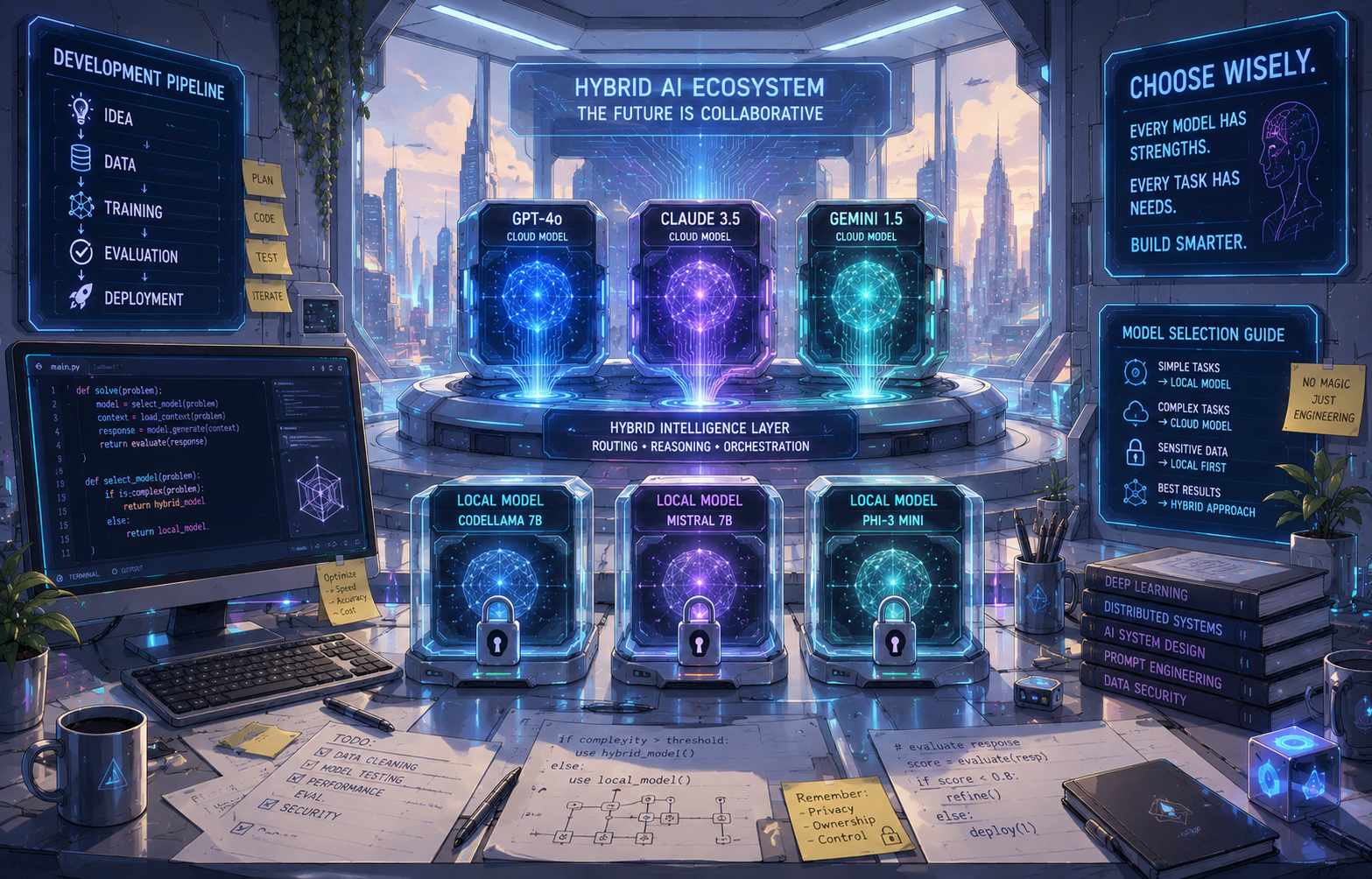
AI coding assistants have become mainstream, but a growing number of developers are now asking whether local models can replace Claude and GPT for daily development workflows. The answer lies in the numerous benefits that come with implementing local AI models for coding. Let’s dive into the advantages that make local models a game-changer for developers.
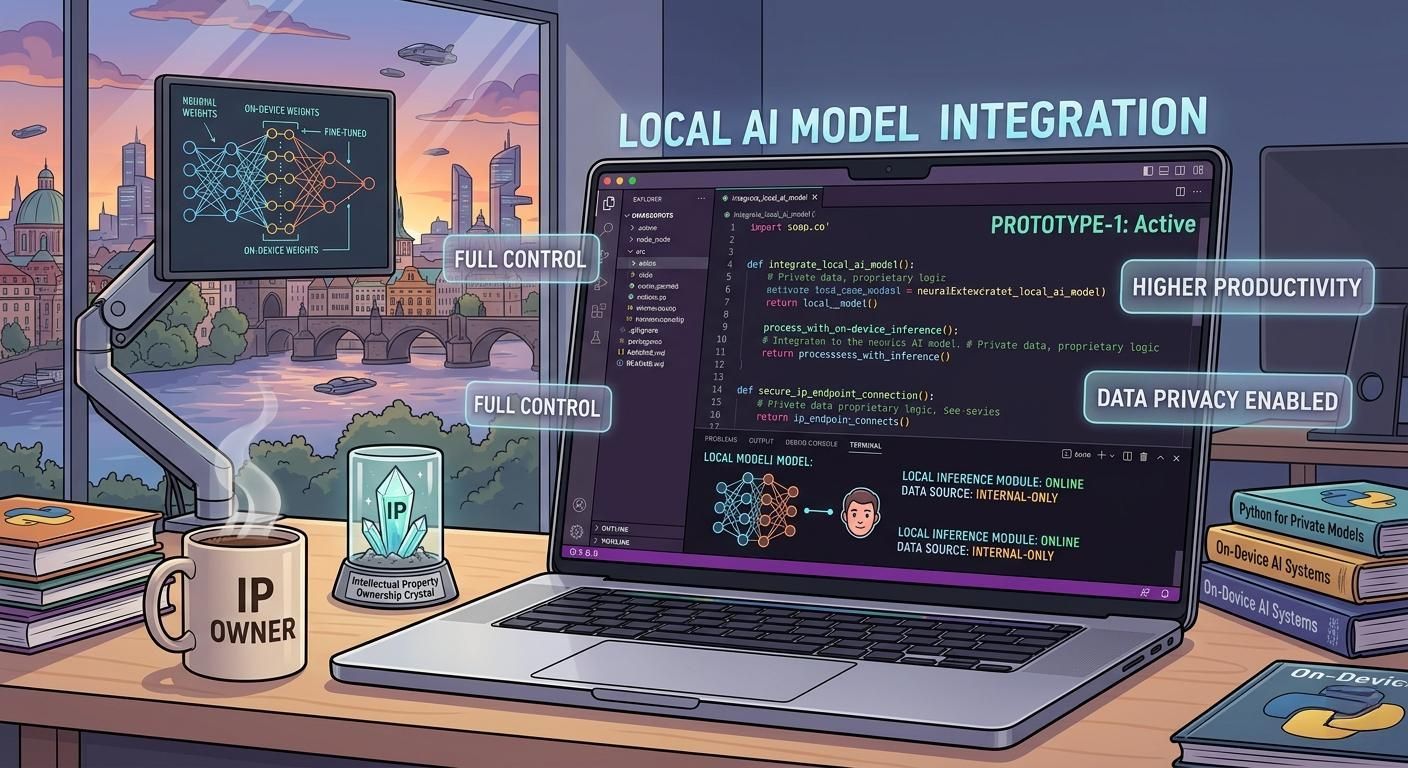
Ownership: code, prompts, and intellectual property never leave your machine. This is a significant advantage, as it provides complete control over your project’s sensitive information. With local models, you can rest assured that your code, prompts, and intellectual property are safe from unauthorized access.
Elimination of API costs, rate limits, and cloud outages. Say goodbye to unexpected expenses and hello to uninterrupted workflow. Local AI models eliminate the need to rely on external APIs, reducing costs and minimizing downtime due to rate limits or cloud outages. This allows you to focus on what matters most – developing innovative solutions.
Predictable performance and full control over AI stack. With local models, you have complete control over the AI stack, enabling you to fine-tune it to meet your specific needs. This results in predictable performance, allowing you to optimize your workflow and make the most of your time.
For developers, working with local AI models for coding offers a unique blend of flexibility, security, and cost-effectiveness. By harnessing the power of local AI models, you can streamline your development process, reduce costs, and focus on creating cutting-edge applications that revolutionize the way we work and interact with technology.
Challenges of Local AI Models for Coding
When it comes to harnessing the power of artificial intelligence in coding, one of the most significant challenges lies in the limitations of local AI models for coding. These locally trained models have gained immense popularity due to their ability to process data quickly and efficiently, but they come with a host of drawbacks that can hinder their performance.
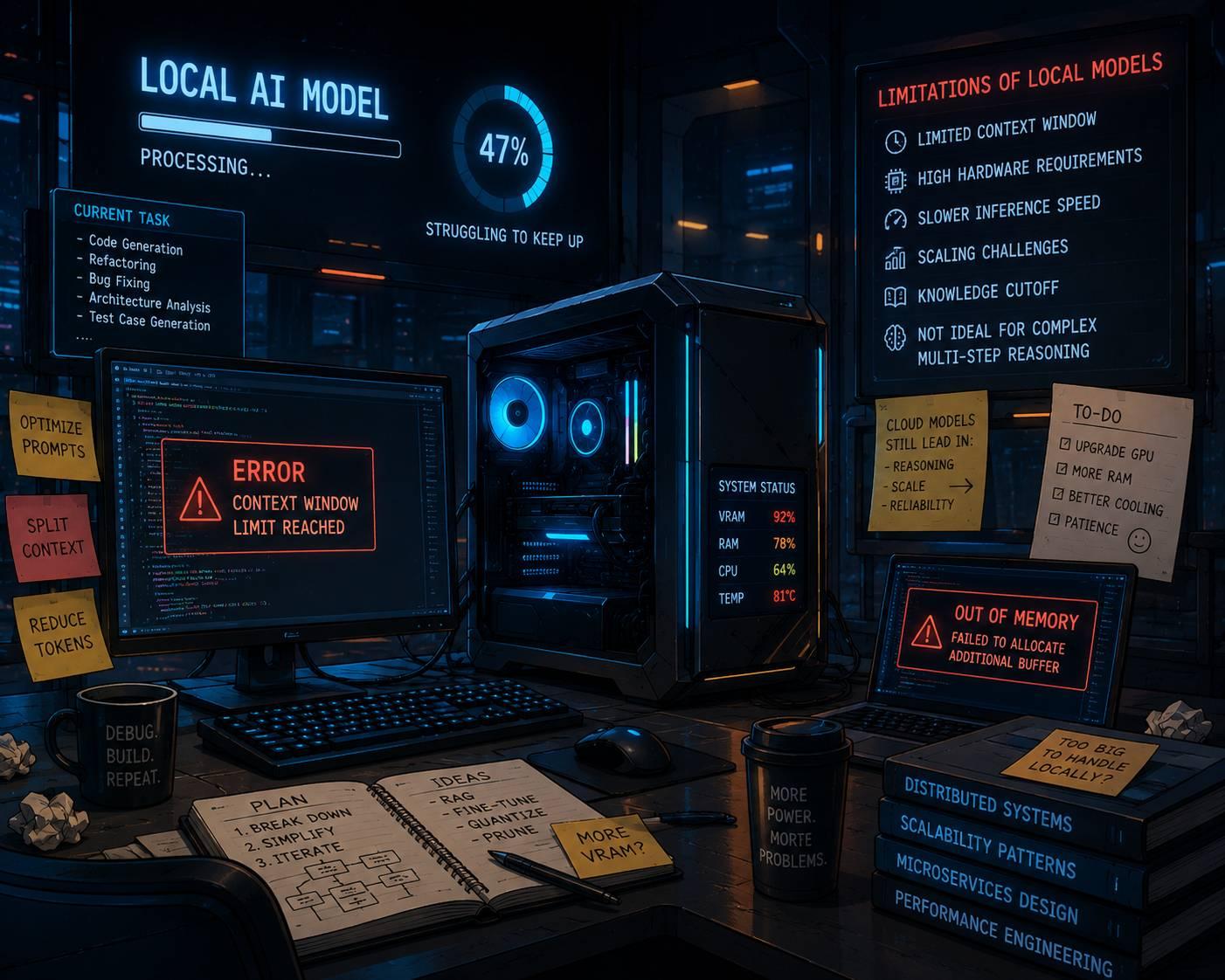
Firstly, local AI models for coding require significant hardware for top-tier performance. The more complex the model, the more powerful the hardware required to run it efficiently. This can lead to a substantial increase in costs, making it inaccessible to many developers and organizations. Furthermore, the high-performance hardware needed can be a significant environmental concern, contributing to e-waste and energy consumption.
Another significant challenge is that local AI models for coding are typically limited to specific tasks and environments. They are designed to perform a particular function, and their ability to adapt to new situations or tasks is limited. This can lead to a narrow focus, making it difficult to apply the model to a broader range of problems. Moreover, the model’s performance can degrade if it’s used in a different environment or with different data.
Perhaps the most significant limitation of local AI models for coding is their inability to replicate complex reasoning and planning. These models are designed to perform tasks based on patterns and associations in the data, but they struggle to understand the underlying context and make decisions based on that understanding. This can lead to inaccurate or incomplete results, making it difficult to rely on these models for critical applications.
Emergence of Open Models
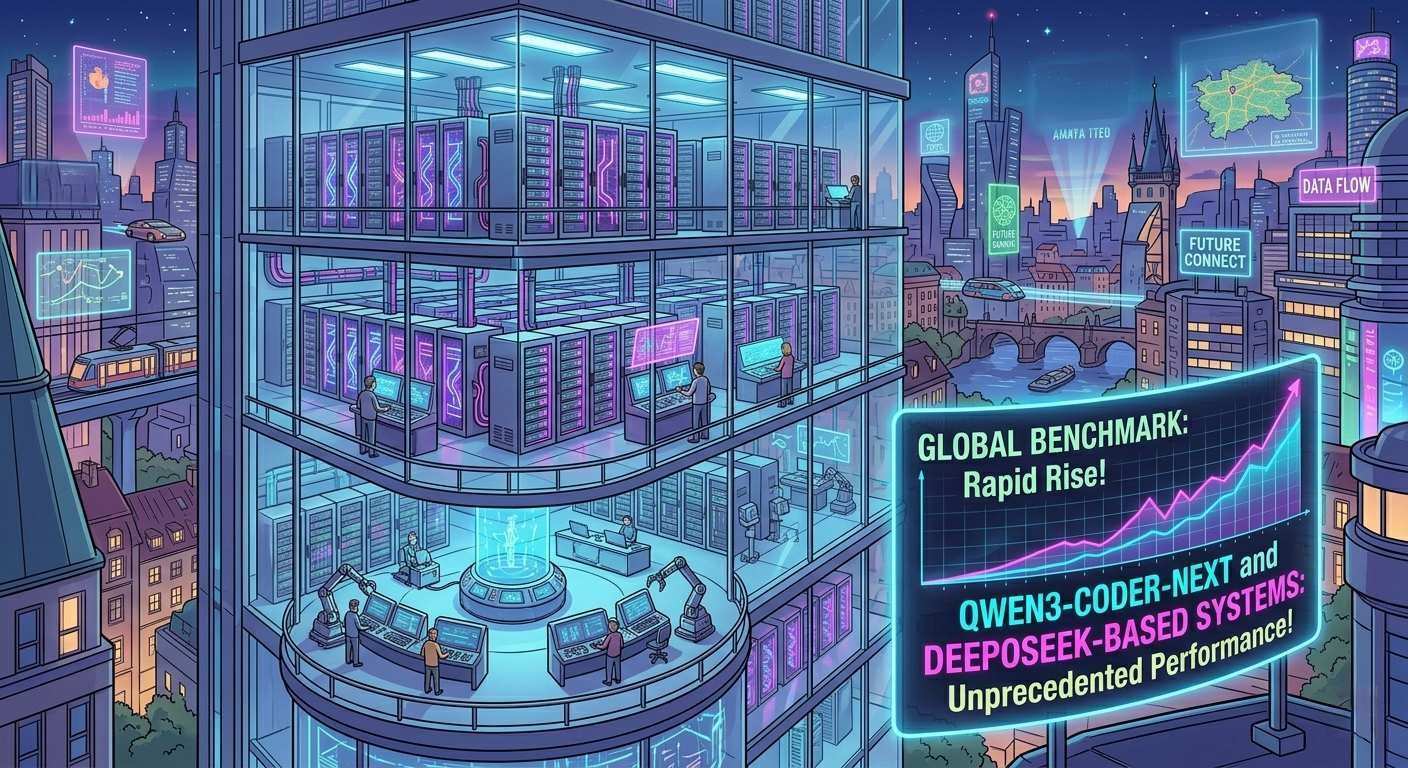
The AI landscape is undergoing a significant transformation. Open models, once considered a novelty, are now rivaling the capabilities of their cloud-based counterparts. Systems like Qwen3-Coder-Next and DeepSeek-based systems are consistently achieving benchmark results, closing the gap with industry leaders.
For years, cloud models have held a significant advantage over their open counterparts. However, recent breakthroughs are rapidly changing this narrative. The emergence of open models has sparked a new era of innovation, where developers can leverage cutting-edge technology without the need for expensive cloud infrastructure.
One of the key drivers behind this shift is the growing demand for local AI models for coding. With the increasing need for AI-powered coding tools, developers are looking for solutions that can be deployed on-premises or in hybrid environments. Open models offer a compelling alternative to cloud-based solutions, providing similar performance at a fraction of the cost.
The benefits of open models are multifaceted. Not only do they offer improved performance and reduced costs, but they also provide greater flexibility and control. With open models, developers can customize and fine-tune their AI solutions to meet specific needs, without being locked into a proprietary cloud ecosystem.
As the AI landscape continues to evolve, it’s clear that open models will play a significant role in shaping the future of AI development. By narrowing the capability gap with leading cloud models, open models are poised to revolutionize the way we approach AI-powered coding. With rapid improvements in capabilities and the promise of local AI models for coding, the future of AI development has never looked brighter.
Choosing the Right Model for the Task
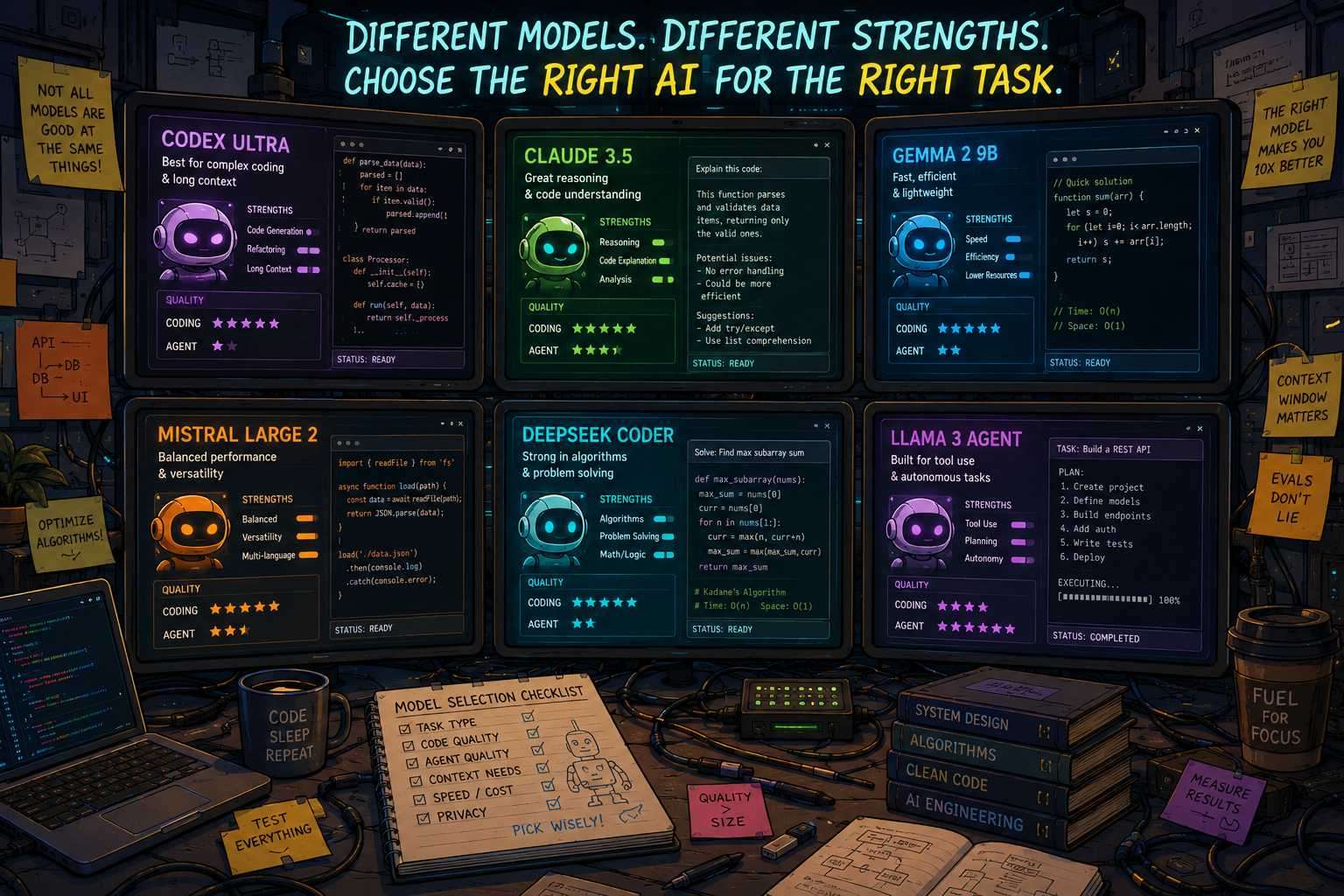
When it comes to choosing the right model for a task, it’s essential to understand that coding quality and agent quality are two distinct concepts. Coding quality refers to the efficiency, maintainability, and scalability of the code, while agent quality focuses on the performance and capabilities of the AI model itself.
Models excel at specific tasks, making them ideal for particular applications. For instance, when it comes to writing functions or multi-step planning, certain models are more adept at navigating complex codebases or generating high-quality documentation. On the other hand, other models might struggle with these tasks, even with extensive training data.
To optimize your workflow, selecting the best model for each task based on cost, latency, privacy, and capability is crucial. This involves considering the specific requirements of your project, such as the need for speed, accuracy, or data protection.
When working on a project that involves local AI models for coding, you might want to consider models that specialize in code analysis, optimization, and collaboration. These models can help you refine your code, automate repetitive tasks, and even integrate with other development tools seamlessly.
Ultimately, the right model for the task will depend on the unique needs of your project. By carefully evaluating the capabilities and limitations of each model, you can make informed decisions that drive better results and improve your overall workflow.
The Hybrid Model Setup
In today’s fast-paced AI landscape, the traditional approach to model setup has given way to a more sophisticated strategy – the hybrid model setup. By combining the strengths of local and cloud models, businesses can unlock unparalleled efficiency and performance.
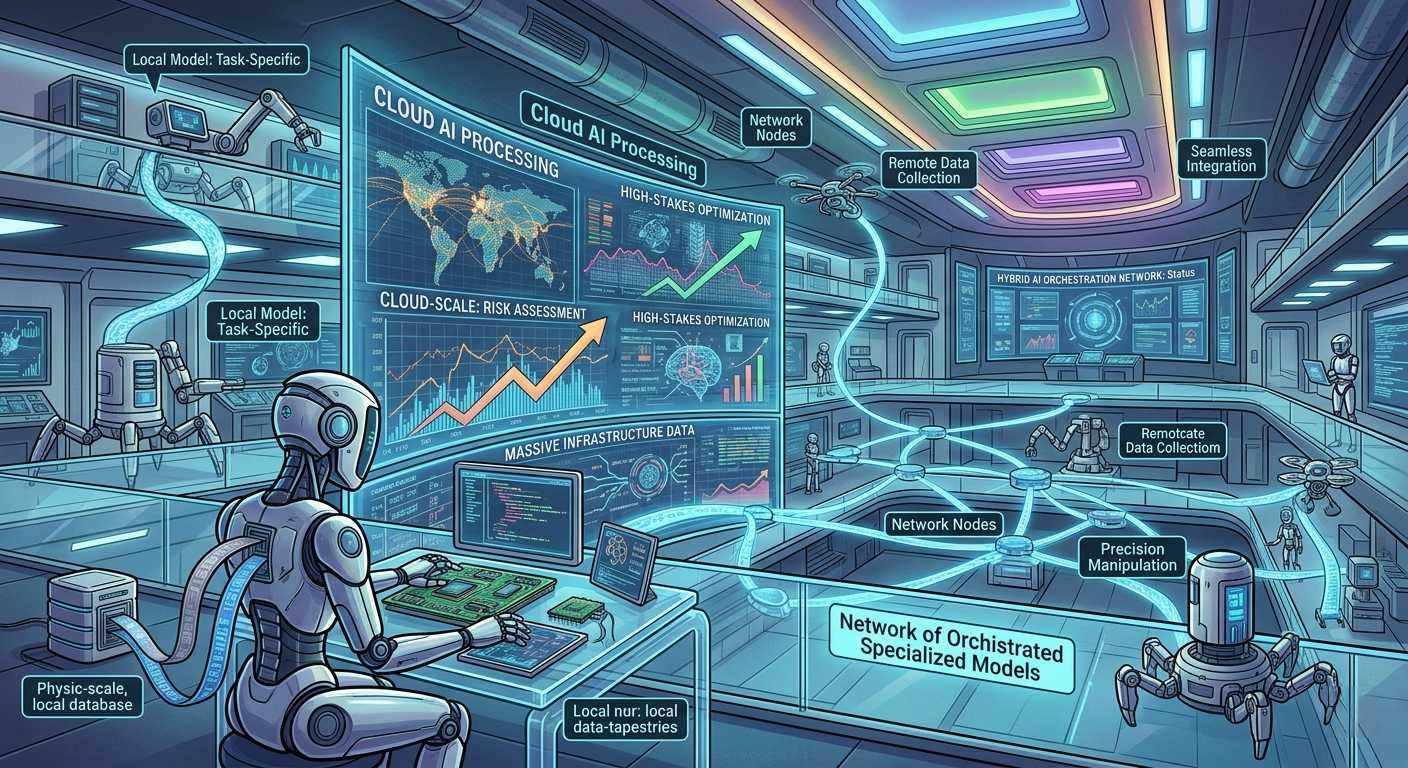
Combine Local Models for Routine Work and Cloud Models for High-Stakes Tasks
Imagine having a trusted sidekick that handles your daily tasks with precision and ease. That’s what local AI models can do for your routine work. By leveraging local models, you can automate mundane tasks, freeing up your human resources for higher-value work. However, when it comes to high-stakes tasks, such as complex data processing or high-risk decision-making, cloud models come into play. Their scalability and redundancy ensure that your mission-critical tasks are handled with the utmost care and precision.
Use Local Models for Privacy-Sensitive Environments and Cloud Models for Large Codebases
When working with sensitive data or in highly regulated industries, data security is paramount. That’s where local AI models for coding come in – they provide a secure and private environment for developing and testing your models. On the other hand, large codebases require the processing power and scalability that cloud models offer. By leveraging the strengths of both, you can ensure that your models are both secure and efficient.
Orchestrate Teams of Specialized AI Models for Optimal Performance
The hybrid model setup is not just about combining local and cloud models – it’s also about creating a symphony of specialized AI models working together in harmony. By orchestrating teams of models, you can unlock unprecedented performance and accuracy. Each model can focus on its unique strengths, working together to deliver results that are greater than the sum of their individual contributions. The future of AI has arrived, and it’s called the hybrid model setup.
The Future of Coding is Hybrid
The future of AI development is hybrid and multi-model. Gone are the days of relying on a single, all-encompassing AI model. Today, developers are embracing a more flexible approach, selecting the best model for each task based on various factors.
This shift in AI development is largely driven by the need for precision and efficiency. By choosing the right model for the job, developers can achieve better results, faster. For instance, a model optimized for image recognition might not be the best fit for natural language processing tasks. In contrast, a model specifically designed for coding can provide unparalleled insights and assistance.
One of the most exciting developments in this space is the emergence of local AI models for coding. These models are designed to run locally on a user’s device, offering a level of control and security that’s hard to achieve with cloud-based solutions. Local AI models for coding are a viable option for routine and privacy-sensitive tasks, such as code completion, debugging, and testing.
With local AI models for coding, developers can enjoy the benefits of AI-powered coding assistance without compromising on security or speed. These models can be fine-tuned to meet the specific needs of a project, providing a level of customization that’s unmatched by cloud-based solutions.
The use of local AI models for coding also opens up new possibilities for developers working on projects that require strict data security and compliance. By keeping AI models on-premises, developers can ensure that sensitive data remains secure and protected from potential cyber threats.
In the world of AI development, the future is indeed hybrid and multi-model. By embracing this approach and leveraging the power of local AI models for coding, developers can unlock new levels of efficiency, precision, and security in their work.