In the last few years, we’ve witnessed a rapid advancement in generative AI technology, with AI-driven visual generators and text chatbots becoming increasingly integrated into our daily lives.
These tools, with their remarkable ability to produce human-like text, images, and even music, have opened up a world of possibilities, from automating various tasks to pushing the boundaries of creativity.
However, as these technologies continue to evolve and become more powerful, they also bring up ethical questions that need to be considered.
While many people are amazed by the potential of generative AI, a growing number of creators are raising concerns about whether their work has been used to train these AI models without their consent or compensation.
This leads to the fear that AI-generated content could undermine the value of human creativity, leading to a future where original content is indistinguishable from AI-produced work.
As we navigate this rapidly changing landscape, it’s crucial to address these ethical challenges and be clear about both training and application of this new advanced technology.
How do we balance the incredible potential of generative AI with the rights and concerns of human creators? How can we ensure that the use of AI remains fair, transparent, and accountable?
In this post, we’ll explore these pressing questions and consider the ways in which we can responsibly integrate generative AI into our digital world.
The Fundamentals of Generative AI: Brief Introduction
Before diving into the ethical questions surrounding generative AI, it’s important to first understand what generative AI is and why it has become a point of controversy for many content creators.
At its core, generative AI refers to a type of artificial intelligence that can produce new content—such as text, images, or music—by learning patterns from existing data. These AI models are trained on vast amounts of data, enabling them to generate outputs that often mimic human creativity.
The controversy arises from the origin of this training data. While using your own data poses no ethical dilemma, training effective generative AI models typically requires access to immense datasets—far more than any single entity might possess.
As a result, many companies and developers turn to publicly available data on the internet to train their models. This is where the ethical issues begin to surface.
The internet is indeed full of high quality datasets, but can and should all this data be used freely for AI training? Content creators are increasingly concerned that their work is being utilized without their consent or compensation.
More questions are therefore raised about ownership, rights, and the fair use of digital content in this new digital age:
- Is training of large language models same as stealing from online artists, or is it fine?
- How can creators ensure that their original work is protected from unauthorized use?
- Who truly owns the AI-generated content, and who benefits from it?
- What legal frameworks need to be established to safeguard intellectual property in the era of AI?
- And ultimately, how do we balance innovation with the rights of those whose content fuels these generative models?
Creative Theft? The Controversy Over AI and Intellectual Property Rights
Let’s start with the questions about possible stealing from online creators, because as Generative AI continues to evolve, one of the most pressing ethical challenges it presents is the potential for intellectual property (IP) theft.
At the heart of this issue is the ownership of the content that already exists and is used to train AI models. When AI companies use existing works—whether text, images, or music—to train their systems, the creators of those original works often have no say in how their content is utilized.
There are already instances where the use of data from the internet for AI training has sparked controversy. For example, some AI models have been trained on massive datasets scraped from the web, including everything from articles and artwork to blog posts.
While the legal landscape around this issue is still developing, the lack of clear precedent leaves many creators feeling vulnerable and exploited.
The situation becomes even murkier when it comes to content posted on social media platforms. Who truly owns the data—creators or the platforms themselves? Most social media platforms have terms of service that grant them broad rights to use and distribute content posted by users.
However, these agreements are often not fully understood by users, leading to a gray area in terms of ownership and the use of this data in training AI models. Creators then fear that their work is being used in ways they never intended or agreed to.
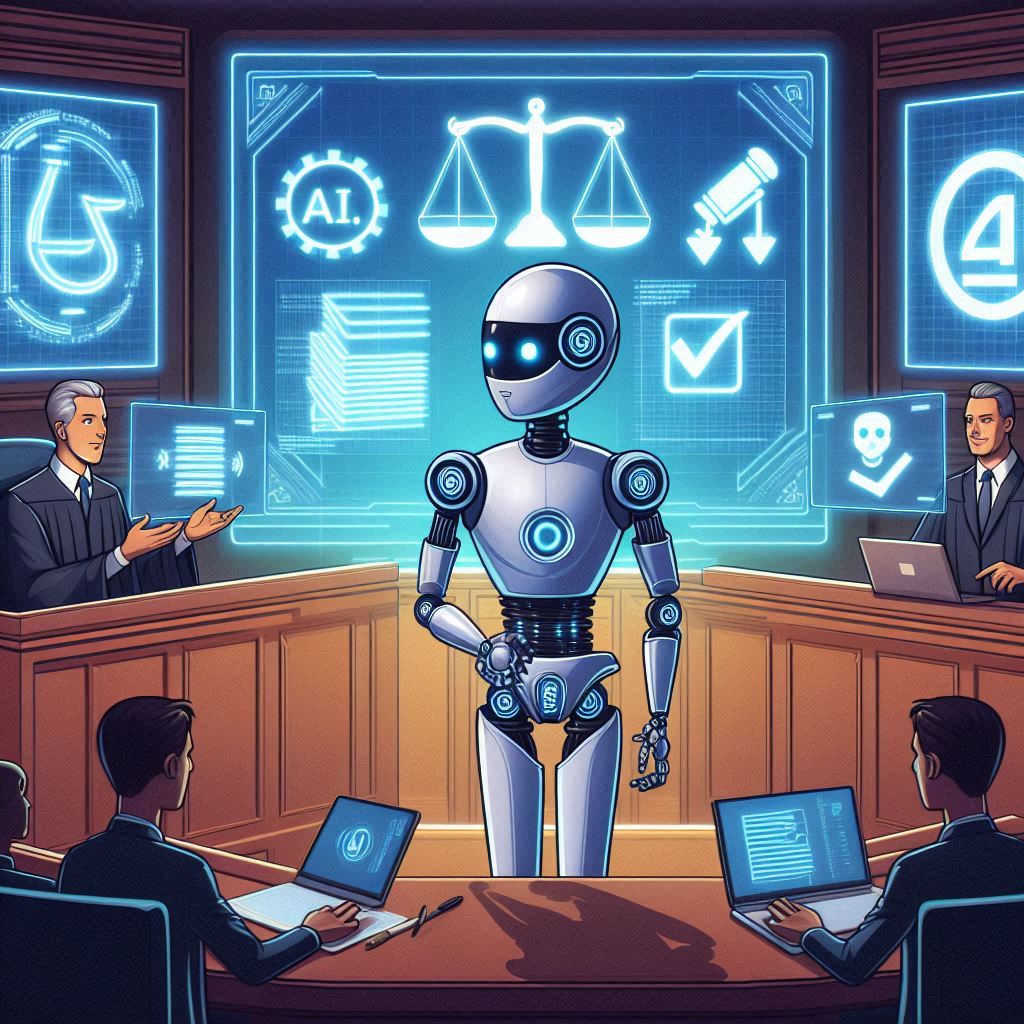
Guardrails for the Digital Age: The Role of Regulations in AI Development
Whenever the discussion turns to regulating an innovative technology, a familiar debate arises. On one side, tech optimists question why anyone would want to slow down the development of groundbreaking products that have the potential to transform industries and improve lives.
On the other side, there are those who advocate for control and oversight, particularly when new technologies pose ethical, legal, or societal risks. In particular the European Union has earned a reputation for its frequent regulations across various fields, often leading to criticism that it stifles innovation through overregulation.
However, when it comes to generative AI, the question of regulation may not be as straightforward as it seems. While some view regulatory efforts as unnecessary, there are definitely voices calling for some form of oversight by legal authorities.
As we’ve discussed, the use of vast amounts of data to train AI models has raised significant concerns about intellectual property rights. Creators who see their work being used without consent or compensation are understandably unhappy, and this dissatisfaction suggests that a regulatory framework could help protect their interests.
Big tech companies, eager to maintain their competitive edge in the rapidly evolving AI landscape, are likely to use any data they can access to improve their models. The temptation to scrape data from publicly available sources is strong, especially when doing so can enhance the performance of their AI systems.
While it is true that much of this source material—text, images, and other digital content—is freely available online, the situation becomes more complex when we consider copyright law.
Currently, the intersection of AI and copyright law is a gray area. In many cases, companies may not be explicitly breaking existing laws, but they are certainly operating in a space where the legal boundaries are not well-defined.
This lack of clarity makes it difficult to hold anyone accountable, which is precisely why many believe that regulation is needed. Clear guidelines and rules could ensure that AI development respects the rights of content creators while still allowing for innovation and progress.
Ultimately, the challenge lies in striking the right balance between fostering technological advancements and safeguarding the ethical principles that protect individual rights and creativity. Unfortunately politicians don’t have the best track record when it comes to regulation of new technology.
Echoes of Past Tech Debates in the Age of AI
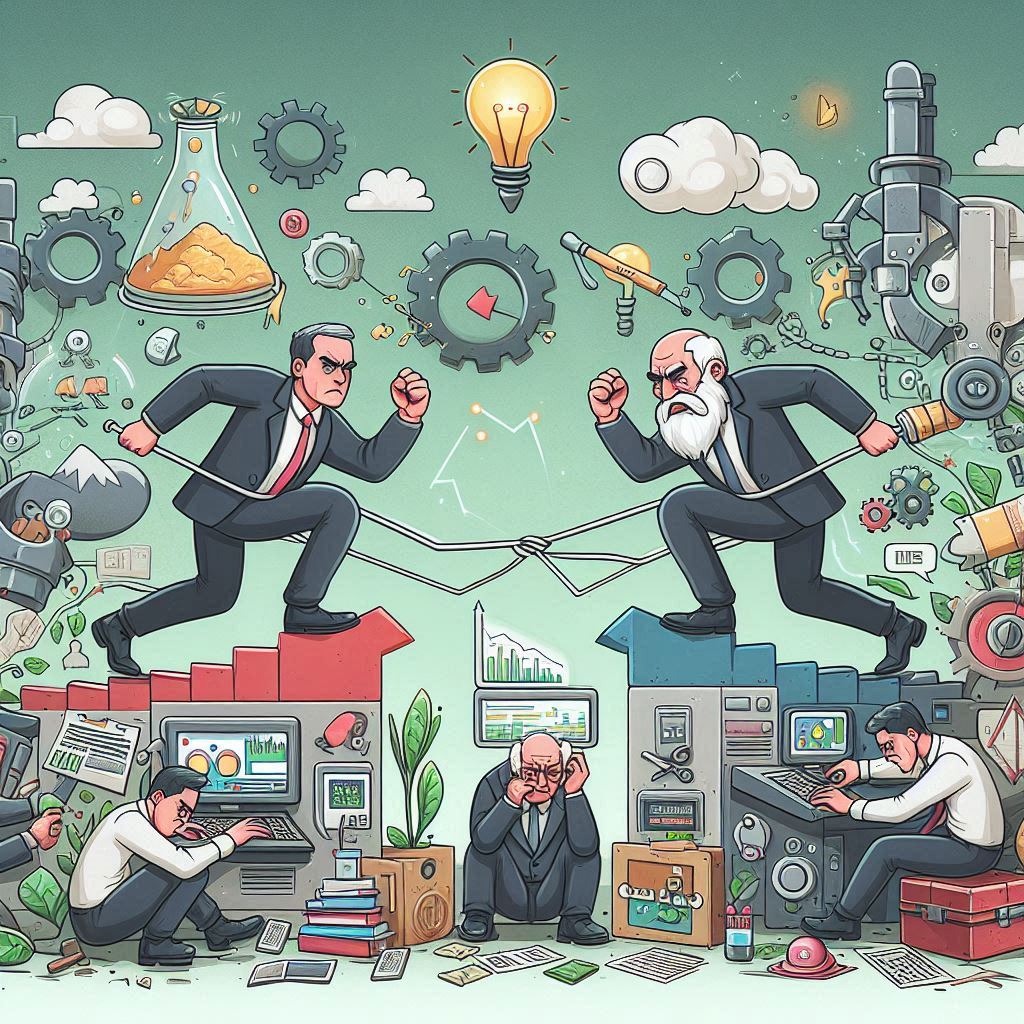
Generative AI is not the first technology to inspire both awe and controversy. In fact, history is filled with examples of services that, while revolutionary, have also sparked significant debates over ethics, ownership, and fair use.
Consider the advent of file-sharing technologies in the late 1990s and early 2000s. Platforms like Napster allowed users to share music freely across the internet, revolutionizing the way we access media.
However, this innovation also led to massive legal battles over copyright infringement, as musicians and record labels argued that their intellectual property was being distributed without permission or compensation.
The debate over Napster and similar services laid the groundwork for a broader conversation about digital rights. Today, the discussion about generative AI development is similar to those we faced over 20 years ago.
We see similar concerns being raised by content creators who feel that their work is being unfairly exploited by AI companies. As popular tech reviewer Marques Brownlee (MKBHD) pointed out in a tweet, creators often feel like victims of theft: they invest significant time and effort into producing original content, only to see companies like Nvidia leverage that content to train AI models without providing any form of compensation.
But it is not only individual content creators as for example The New York Times banned the use of their content for training large language models, underscoring a growing reluctance also among major publishers to allow their intellectual property to be used without explicit consent.
Even within the AI community, there is an acknowledgment that the current system may not be entirely fair. Sam Altman, CEO of OpenAI, has publicly stated in interviews that there should be some form of compensation for creators whose work is used to train AI models.
As we consider the future of AI, we must look to the past for lessons on how to balance innovation with respect for the rights and contributions of creators. Otherwise, this new technology which holds incredible promise for innovation, is also at risk of alienating many individuals who contributed to its foundation.
Transparency in Development, Transparency in Use
It is not easy to answer who truly owns AI-generated content, as the traditional copyright laws are leaving a legal vacuum when it comes to creations generated by AI. But generally, the model providers claim that users are owners of the content and it can be even used commercially.
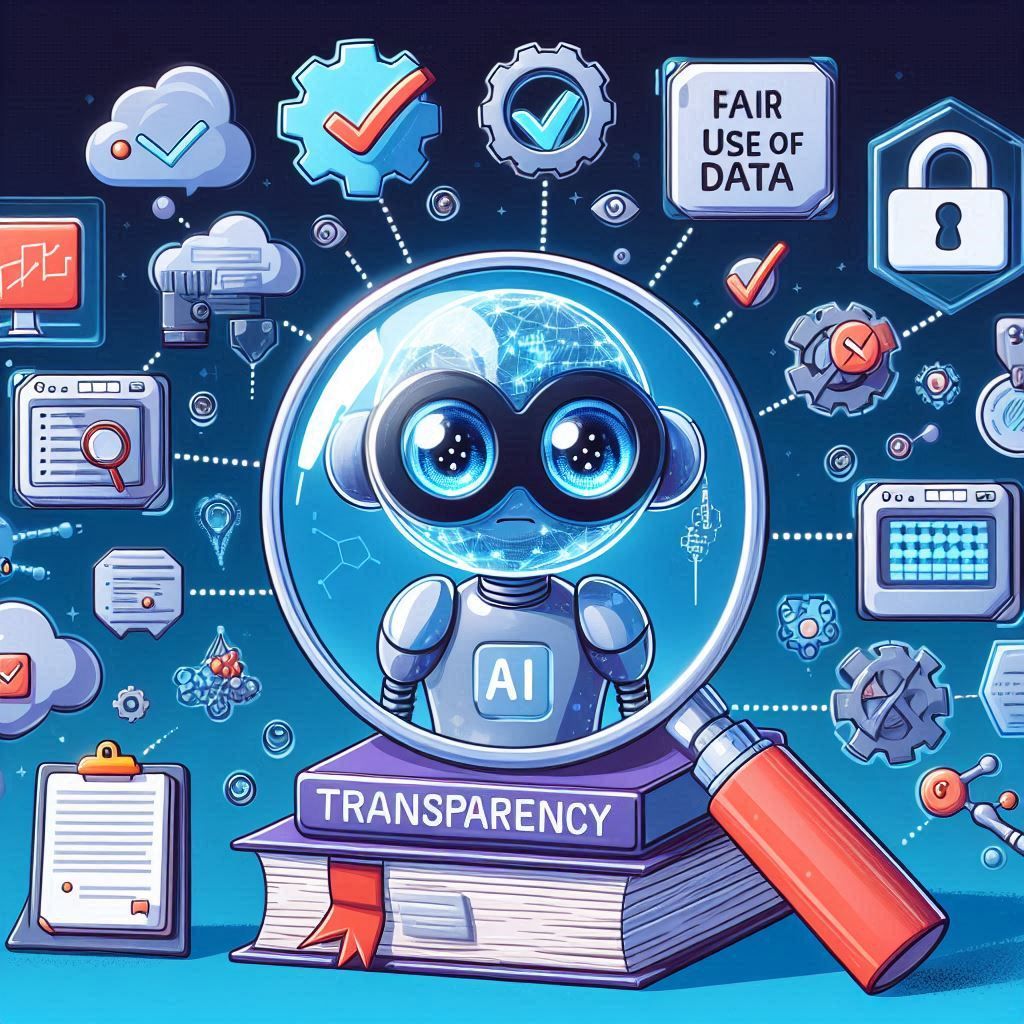
Regardless of the legal ownership of the generated content, transparency in both development and use of AI models is crucial in navigating these ethical dilemmas. For AI to be used responsibly, there should be a clear and transparent process regarding what data is being used, how it is being obtained, and for what purposes.
This transparency is necessary to ensure that creators’ rights are respected and that the AI systems are not perpetuating biases or infringing on copyright laws. The lack of transparency not only complicates the issue of intellectual property ownership but also makes it harder to hold AI developers accountable when their systems produce harmful or biased content.
Both creators and consumers can end up at a disadvantage, undermining trust in AI technologies. Without a strong commitment to transparency, the ethical use of AI remains in risk, possibly upset content creators and undermine public trust in digital innovation.
Key Takeaways: Ethics, Ownership, and the Future of AI
Ethics in AI is a significant and complex topic that deserves careful consideration and open discussion. As generative AI technologies rapidly advance, they bring with them a many ethical challenges that society must address.
From questions of intellectual property rights to the transparency of AI development and use, these issues touch on aspects like fairness, accountability, and respect for creators. While the potential benefits of AI are immense, we should navigate these ethical concerns thoughtfully to ensure that innovation does not come at undesired expense.
Historically, regulators have been slow to respond to technological advancements, and their track record in dealing with emerging technologies is not always reassuring. In the case of generative AI, the lack of clear regulations means that we’re currently operating in a kind of “wild west,” where the rules are not well-defined.
The companies are pushing the boundaries of what is acceptable. However, history has shown that when ethical considerations are ignored, it can lead to significant backlash and even the downfall of companies that fail to act responsibly. As such, there’s a pressing need to establish clearer guidelines and standards.
New headlines talking about AI companies being sued are popping up almost every week. For example Anthropic, company known for development of the popular Claude models, was sued for using pirated books for their training data pipelines. These situations could be prevented when clear rules are established.
Transparency in both the development and use of AI is crucial to addressing these ethical concerns. By being open about what data is being used to train AI models, how it is being sourced, and ensuring that creators are compensated fairly, we can start to build a framework that respects the rights of all parties involved.
Transparency will not only help in holding AI developers accountable but will also increase trust among creators and the public. Compensation for creators whose work is used in AI training is a step in the right direction and could help bridge the gap between innovation and ethical responsibility.
As we move forward in this rapidly evolving field, it is essential for all of us—whether we are developers, regulators, creators, or consumers—to engage in this ongoing conversation. What do you think? Should there be more regulation in the AI space, or does innovation require more freedom?
Share your thoughts in the comment section and contribute to this dialogue on the future of Generative AI.