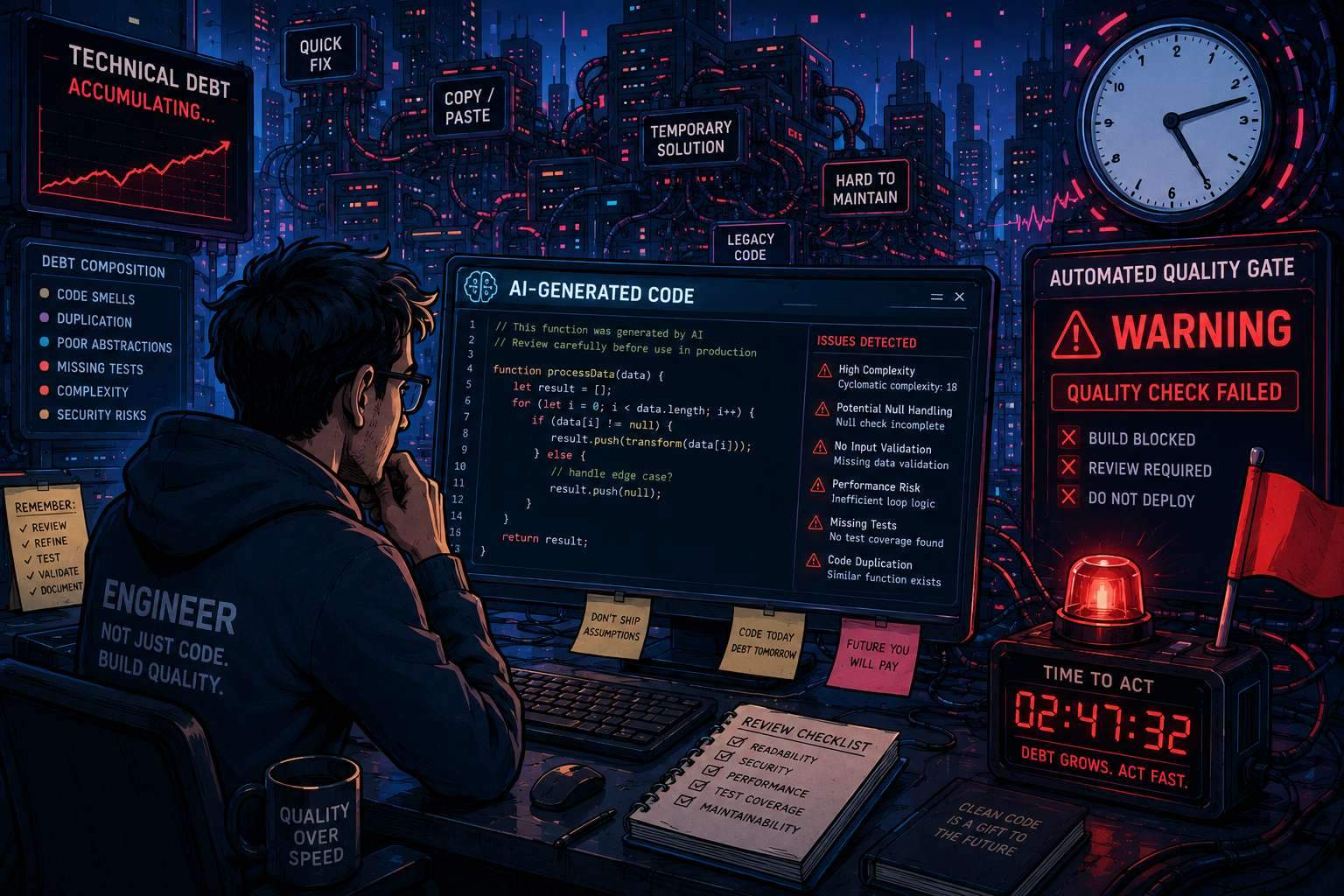
What are the risks of unchecked AI adoption for the software industry? The software industry is on the cusp of a revolution with the rise of artificial intelligence. While AI has the potential to revolutionize the way we develop software, it also poses significant risks if not adopted responsibly.
One of the biggest risks is the creation of AI-generated code that can create technical debt faster than developers can repay it. This is a ticking time bomb that can have disastrous consequences for software projects, causing them to become bloated, inefficient, and difficult to maintain.
The biggest risk is not AI replacing engineers, but engineers shipping AI-generated code without sufficient architectural thinking and review. When AI-generated code is not reviewed and tested properly, it can lead to a build-up of AI technical debt, which can be difficult to repay. Engineers must be aware of the potential for AI technical debt to accumulate quickly and take steps to mitigate it.
To avoid the pitfalls of unchecked AI adoption, software engineers must learn to work with AI tools in a way that complements their skills, rather than replacing them. This means using AI to augment their abilities, rather than relying solely on it. By doing so, engineers can ensure that the benefits of AI are realized, while minimizing the risks. It’s not about replacing humans, but about augmenting their abilities to create better software, faster, and more efficiently. By being aware of the risks and taking steps to mitigate them, software engineers can harness the power of AI to create software that is more efficient, scalable, and maintainable.
Challenges of AI-Assisted Development
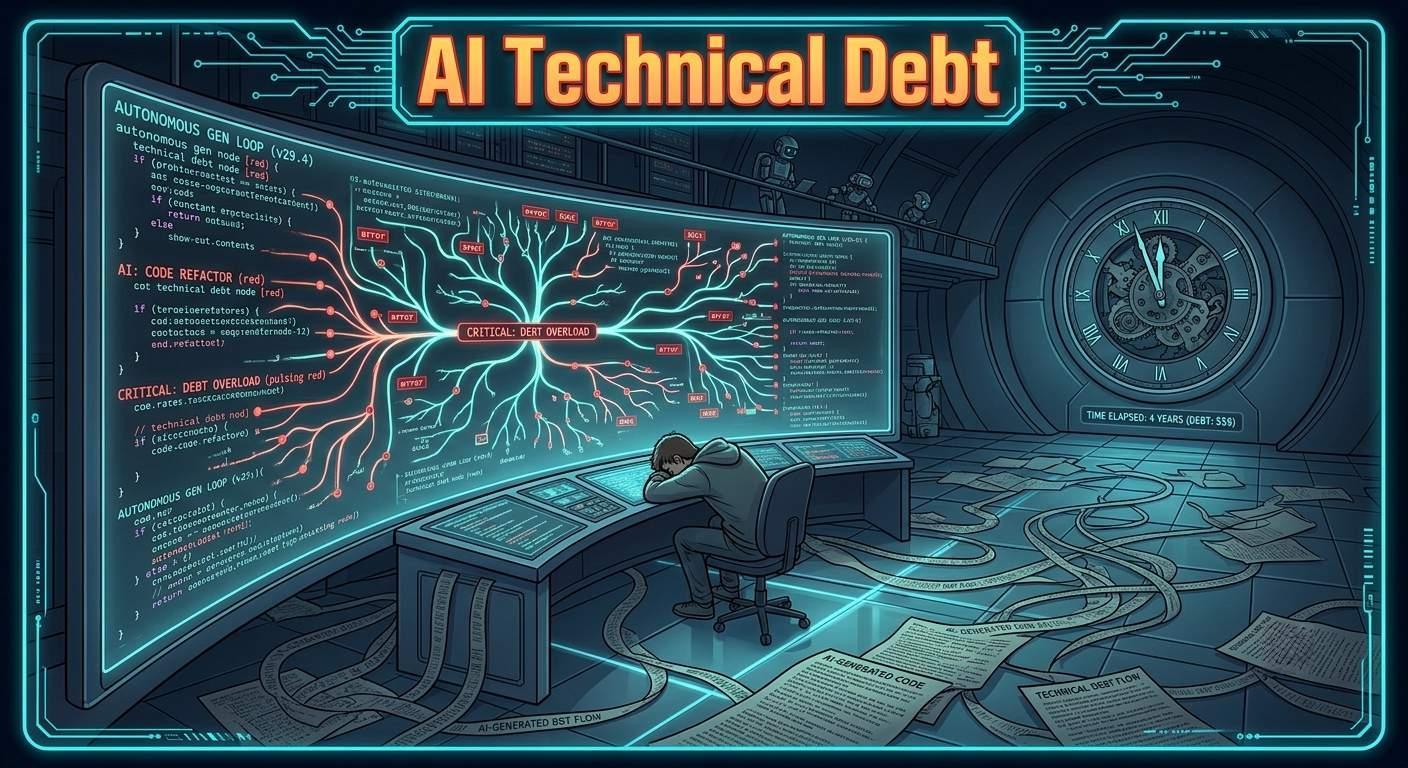
We’ve all been there – staring at a stack of boilerplate code, wondering how it got so complicated. The truth is, relying too heavily on AI-assisted development can lead to a host of problems that can ultimately undermine the health of your codebase. One of the primary concerns is the potential for duplicated patterns and unnecessary abstractions. It’s like trying to put a band-aid on a bullet wound – it might look good at first, but it’s not a long-term solution.
Large Language Models are designed to produce plausible code, not to preserve long-term architecture, domain boundaries, or system consistency. This can lead to a breakdown in the very foundations of your codebase, making it harder to maintain and modify over time. It’s a classic case of the “more is more” approach, where the sheer volume of code becomes overwhelming and difficult to manage.
And then there’s the issue of code reviews. Traditionally, reviewers could assume that any code was carefully designed and thought out by a teammate. But with AI-assisted development, that’s no longer the case. Reviewers are now tasked with validating AI-generated logic, which can be a daunting and time-consuming task. This is where AI technical debt comes in – the hidden, unseen costs of relying too heavily on AI-assisted development. It’s a ticking time bomb, waiting to unleash a wave of technical debt that can be difficult to pay back.
The consequences of AI-assisted development gone wrong can be severe. Over time, your codebase can become a hot mess of duplicated patterns, unnecessary abstractions, and poorly validated logic. It’s a recipe for disaster, and one that developers should approach with caution.

Hidden Dangers of AI-Generated Code
When it comes to AI-generated code, it’s easy to get caught up in the excitement of rapid development and automated solutions. However, beneath the surface, small design flaws can be quietly taking root. These minor mistakes can seem insignificant at first, but they quickly compound into major problems that are expensive to fix later.
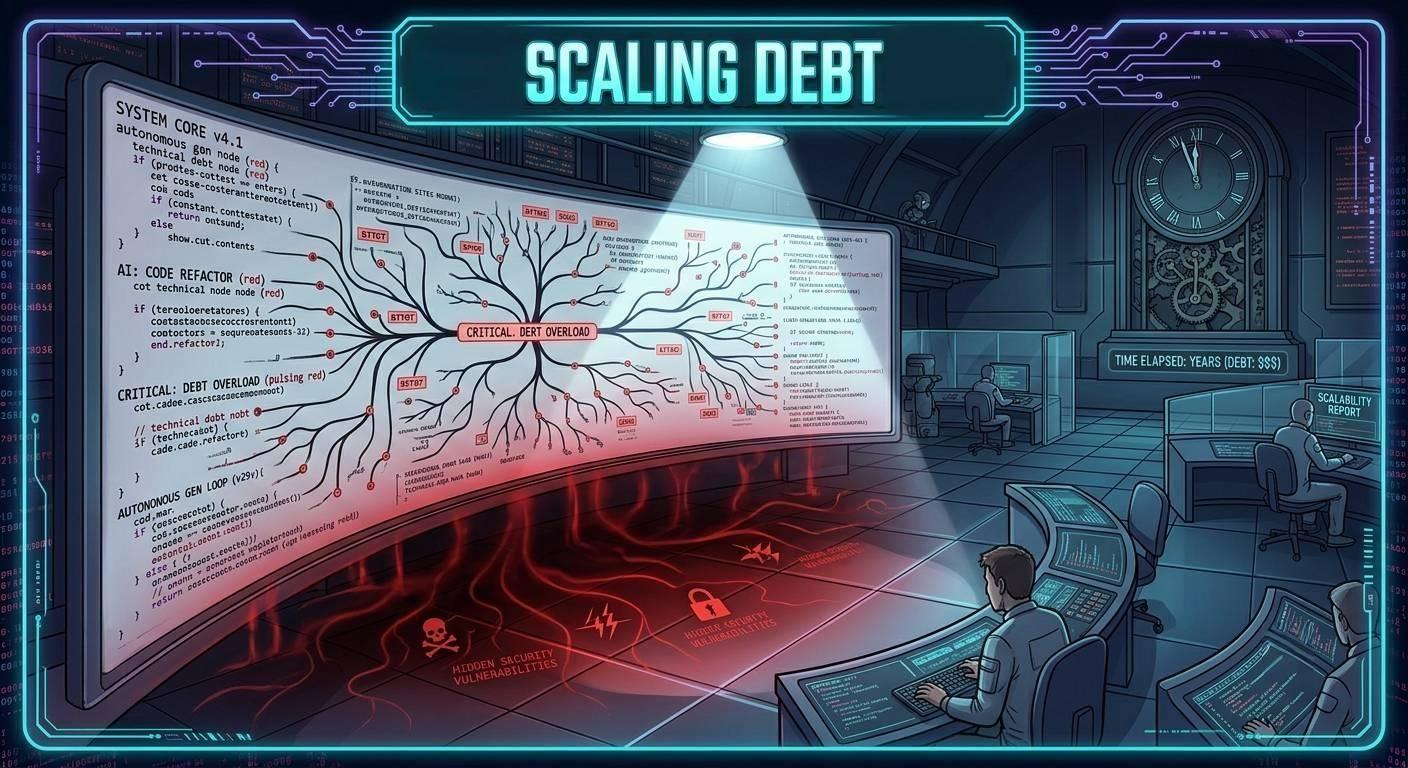
Like a creeping sense of unease, AI technical debt can silently accumulate, sabotaging the very systems we rely on. It’s not just a matter of aesthetics – poor design choices can have real-world consequences, from scalability issues to crippling performance problems. And if left unchecked, these issues can snowball into maintainability nightmares that leave even the most seasoned developers scratching their heads.
The problem is even more insidious when it comes to security. AI-generated code can unintentionally introduce hidden vulnerabilities, outdated APIs, and dependency issues that go undetected until it’s too late. It’s not uncommon for developers to unwittingly accept generated code without properly verifying it, creating a ticking time bomb that can be triggered by even the slightest misstep.
So, what can we do to mitigate these risks? The key lies in prioritizing architectural oversight and rigorous testing for AI-generated code. By taking a step back to evaluate the code’s design and functionality, we can identify potential issues before they spiral out of control. By doing so, we can avoid the pitfalls of AI technical debt and ensure that our systems remain secure, efficient, and reliable – even as AI-generated code continues to play an increasingly important role in our development process.
Modern Development Best Practices
In today’s fast-paced development landscape, it’s easy to get caught up in the excitement of innovation and overlook the fundamentals. However, adopting best practices is crucial to ensure the quality and maintainability of your software. Let’s dive into the essential best practices that will help you ship reliable and robust applications.
Treating AI as a Junior Pair Programmer
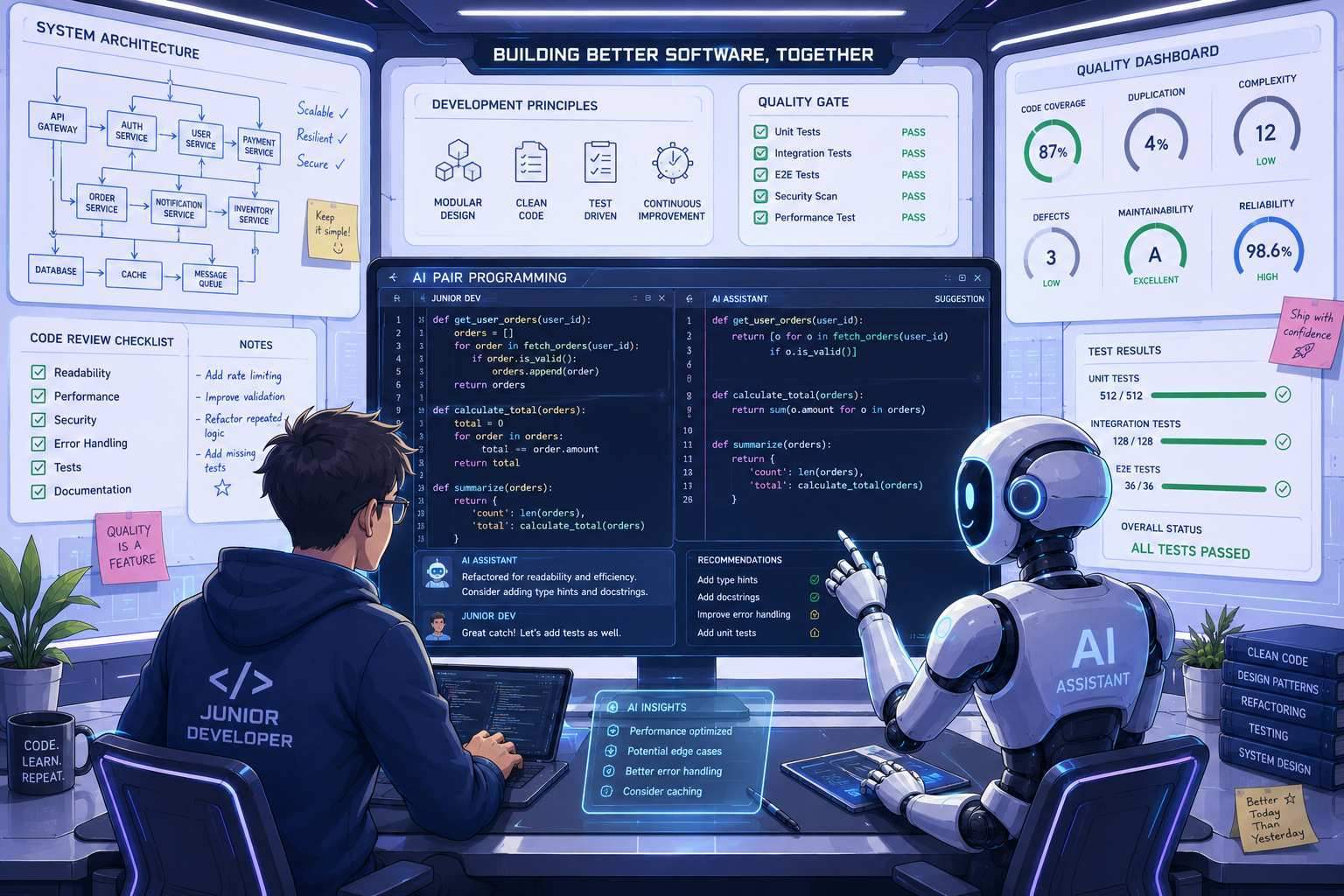
Artificial Intelligence has revolutionized the way we develop software, but it’s essential to remember that AI is not a replacement for humans. AI should be treated as a junior pair programmer whose output always requires validation and testing. Just as you would review and test code written by a junior developer, you should validate and test AI-generated code to ensure it meets your quality standards.
Automated Quality Gates
To prevent defects and technical debt, it’s crucial to include automated quality gates in your deployment pipeline. These gates should include:
- Static analysis: to identify coding errors and potential security vulnerabilities
- Security scanning: to detect potential security risks and threats
- Architecture reviews: to ensure the overall design and architecture of your application align with your business goals
- AI evaluations: to assess the quality and accuracy of AI-generated code
By implementing these automated quality gates, you can catch errors early on and prevent the accumulation of AI technical debt, which can lead to costly rework and maintenance in the long run.
Empowering Engineers
Ultimately, engineers must take ownership of architecture, design decisions, and long-term code quality. By doing so, you’ll ensure that your software is not only functional but also maintainable, scalable, and secure. By adopting these best practices, you’ll be well on your way to building high-quality software that meets the needs of your users and drives business success.
Competitive Advantage
In the rapidly evolving world of software development, the age-old adage “time is money” has taken on a whole new meaning. The accelerating pace of change in technology demands that teams move at lightning speed without sacrificing quality. This is where the game-changing power of AI comes into play.
The competitive advantage will belong to teams that use AI to accelerate implementation while keeping humans responsible for architecture, design decisions, and long-term code quality. This is not a zero-sum game where humans and AI are mutually exclusive. Instead, it’s a symbiotic relationship where humans provide the strategic direction and AI executes with precision.
But, beware of the potential dark side of AI adoption – AI technical debt. It’s the hidden cost of relying too heavily on AI for code generation and maintenance. Without proper oversight and maintenance, AI-generated code can quickly become a nightmare to manage, leading to a tangled web of complexity that’s difficult to unravel.
To avoid falling into this trap, teams must be aware of the potential for AI technical debt and implement strategies to mitigate it. This includes regular code reviews, AI-driven quality control, and a clear understanding of AI’s limitations and strengths. By doing so, teams can harness the full potential of AI to accelerate their development cycle without sacrificing long-term maintainability and scalability.
Effective use of AI can lead to a significant competitive advantage in software development. It’s not just about speed; it’s about delivering high-quality software that meets the needs of a rapidly changing market. By embracing AI as a strategic partner, rather than a replacement for human ingenuity, teams can unlock new levels of productivity, innovation, and success.

Prioritizing Code Quality
In the rapidly evolving landscape of AI-generated code, one crucial aspect often takes a backseat: code quality. As we continue to rely on algorithms to produce lines of code, it’s essential to acknowledge the risks associated with AI-generated code. Engineers must prioritize code review and validation to prevent the accumulation of AI technical debt, which can lead to a tangled web of problems down the line.
AI technical debt, in simple terms, refers to the cost of implementing quick fixes or workarounds that compromise code quality. It may seem like a minor issue in the short term, but it can snowball into significant problems, such as decreased performance, increased maintenance costs, and even security vulnerabilities.
To mitigate this risk, teams must be proactive in maintaining code quality and preventing the introduction of technical debt. One effective way to achieve this is by implementing automated quality gates. These gates can detect potential issues early on, ensuring that AI-generated code meets the required standards before it’s integrated into the production environment.
Automated quality gates can help identify areas where code quality may be compromised, such as redundant code, inconsistent naming conventions, or potential security risks. By catching these issues early on, teams can address them before they become major problems, ensuring that the codebase remains stable, maintainable, and scalable.
Ultimately, prioritizing code quality is a team effort. Engineers, developers, and quality assurance teams must work together to ensure that AI-generated code meets the required standards. By doing so, we can reduce the risk of AI technical debt and create a more robust, efficient, and reliable codebase that supports the growth and success of our organizations.