Deciding whether to build an AI agent can be a puzzling task, especially when faced with the promise of cutting-edge technology. However, it’s essential to understand that AI agents are not a one-size-fits-all solution. They make sense when decisions require context, judgment, or handling unexpected inputs. If you’re dealing with a situation that involves nuances and complexities, an AI agent can be the perfect tool to help you navigate through the chaos.
On the other hand, traditional code is the better choice when the decision tree is fixed and deterministic. If the rules are well-defined and the inputs are predictable, there’s no need to overcomplicate things with an AI agent. In such cases, a traditional code-based approach will suffice, ensuring efficiency and reliability.
When it comes to building AI agents, many developers focus on choosing the fanciest Large Language Model for the agent’s brain. While this might seem like the most exciting part, it’s often a misguided approach. The truth is, tool design decisions are far more important than the LLM you choose. Think about it: the LLM is just one piece of the puzzle. The real challenge lies in designing a system that integrates seamlessly with your existing infrastructure, handles edge cases, and provides a consistent user experience.
To build a successful AI agent, you need to focus on the overall architecture and how it fits into your broader strategy. This means considering factors such as data quality, model selection, and integration with other systems. By taking a holistic approach to building an AI agent, you can create a system that truly adds value to your business or organization.
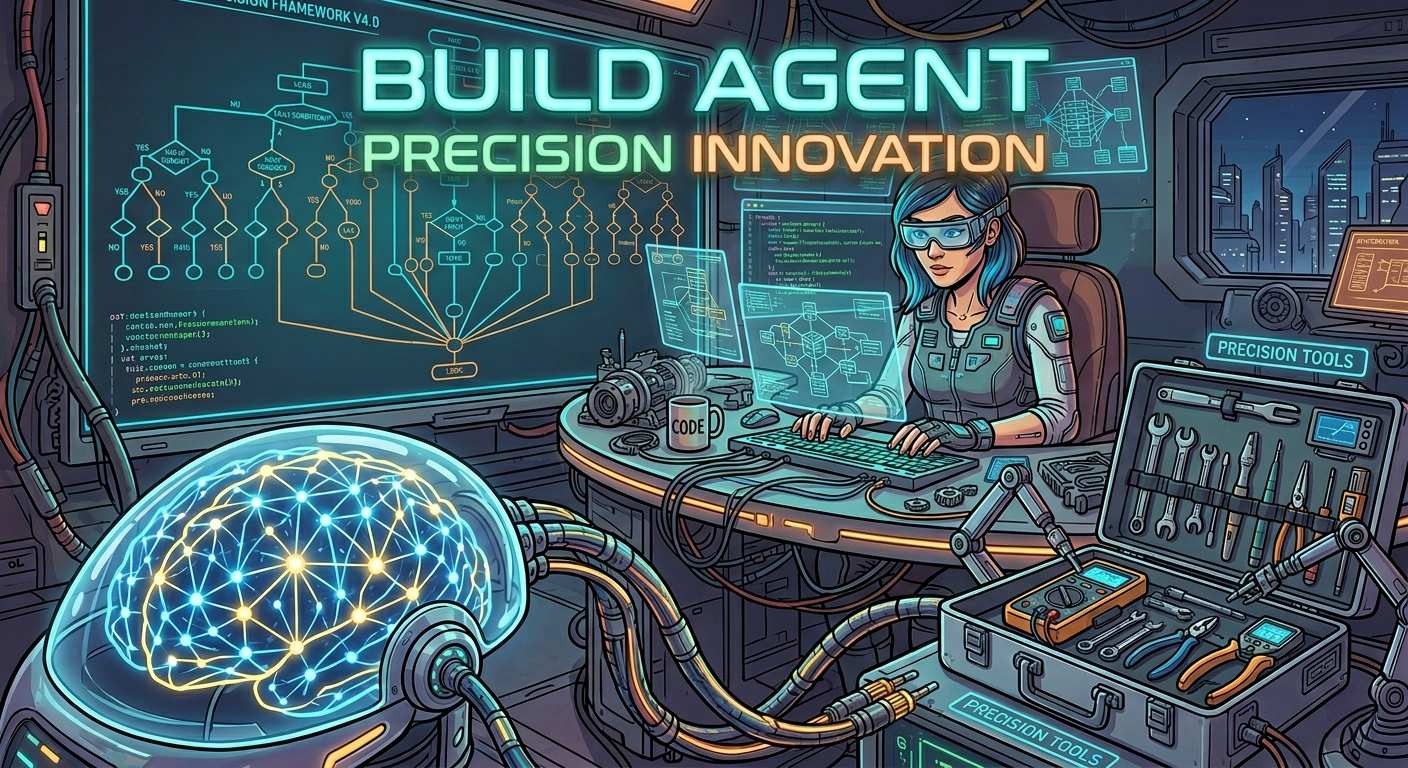
Building AI Agent Fundamentals
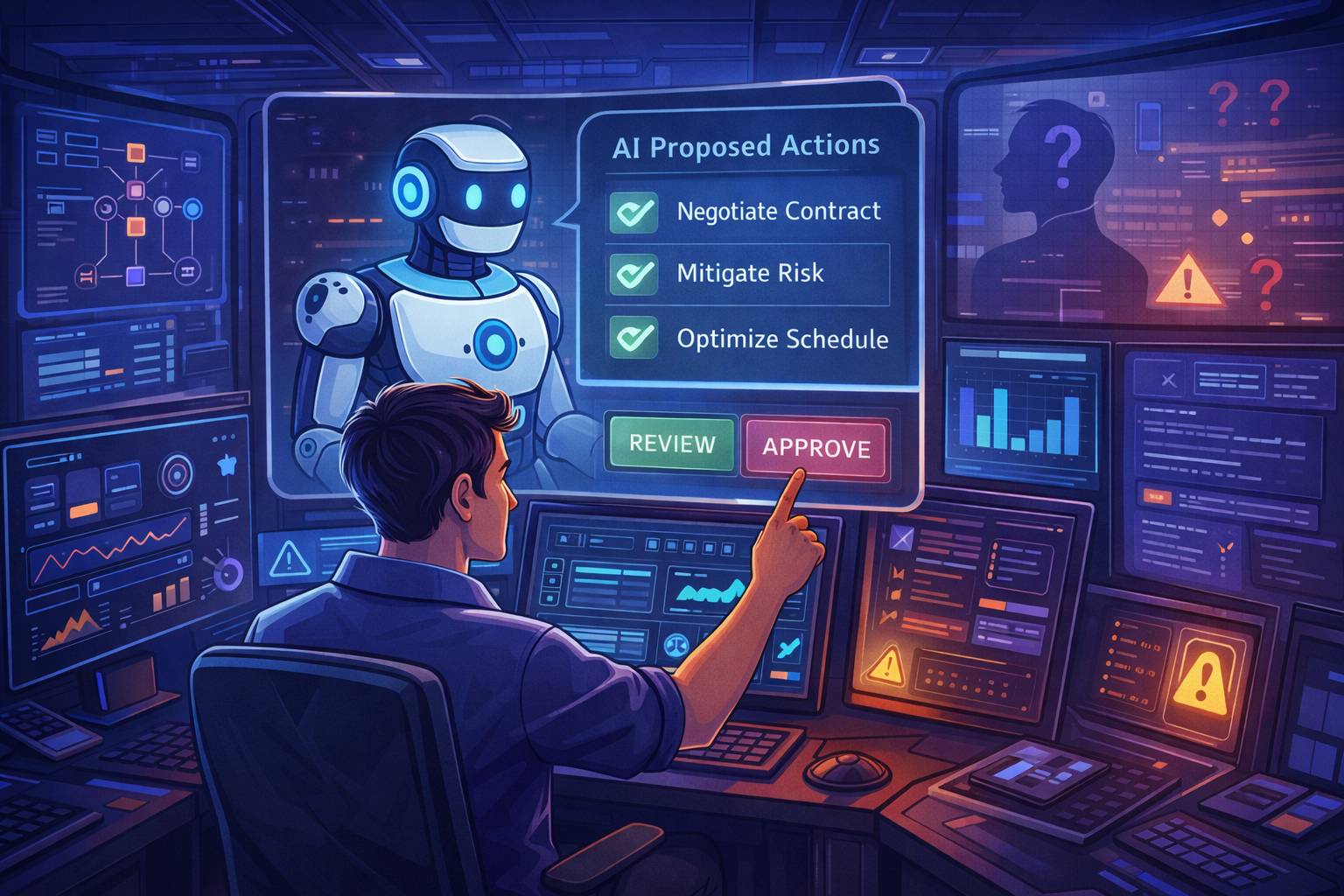
When it comes to creating intelligent agents, there’s a common misconception that the more autonomous they are, the better they’ll perform. However, this couldn’t be further from the truth. In reality, agents work best when they’re in a loop with humans – where AI proposes and human approves.
This human-in-the-loop approach may seem counterintuitive at first, but it’s actually a key element in building successful AI agents. By collaborating with humans, AI systems can tap into the vast experience and expertise of their creators, ultimately leading to more informed decision-making.
But what happens when edge cases inevitably appear? Pure autonomous agents fail miserably in these situations, often resulting in catastrophic consequences. The human element is crucial in identifying and mitigating these risks, making the human-in-the-loop pattern essential for high-stakes decisions.
For instance, in the field of healthcare, AI-powered diagnosis systems can quickly analyze medical data and identify potential treatment options. However, it’s the human doctor who must review and approve these suggestions, taking into account the patient’s individual circumstances and medical history.
By embracing this approach, organizations can build AI agents that are not only more effective but also more trustworthy. The key is to strike a balance between automation and human oversight, ensuring that AI systems are able to learn and improve over time while still being accountable to their human creators.
In the end, building AI agents that truly excel requires a deep understanding of the strengths and limitations of both humans and machines. By working together, we can create intelligent systems that are not only incredibly powerful but also remarkably effective.
Agent Architecture and Stability
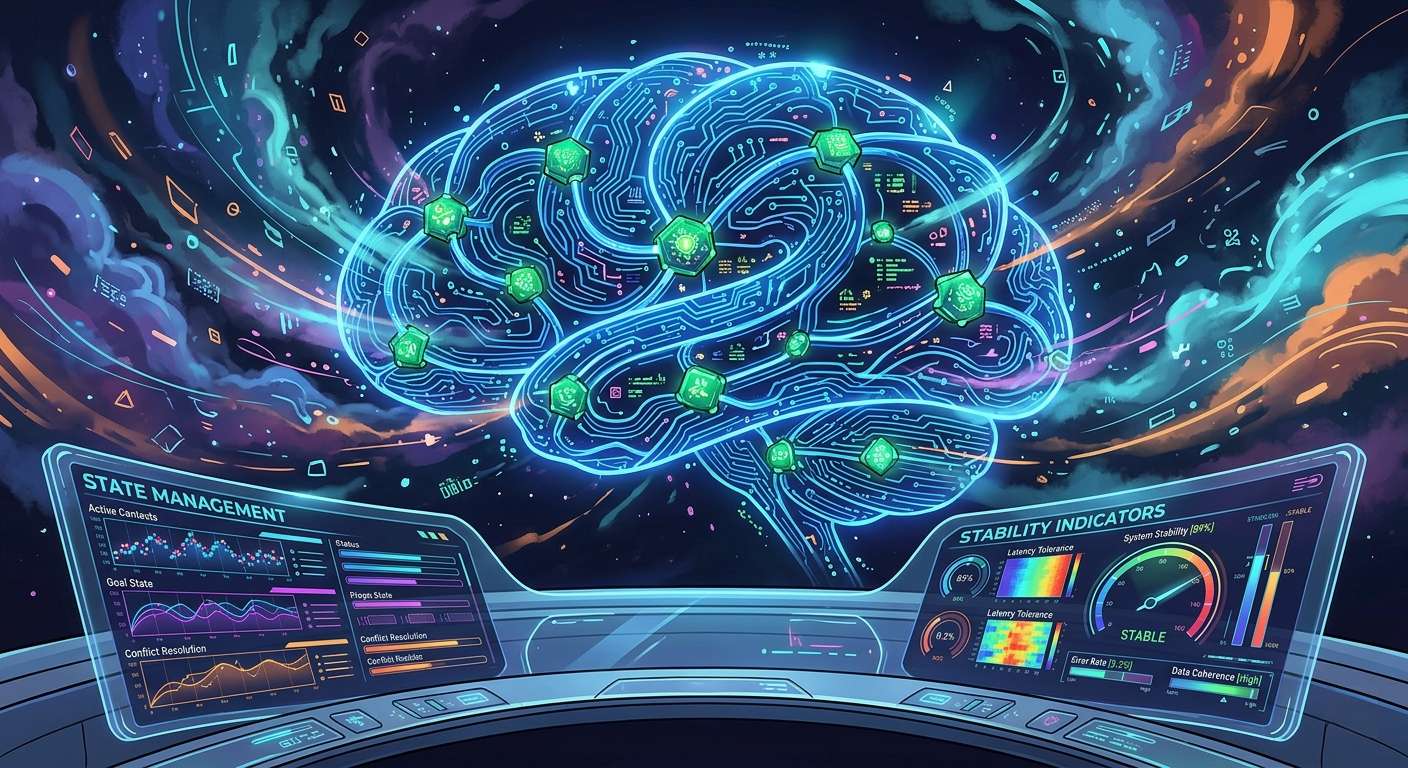
When it comes to building AI agent systems, one of the most significant challenges is maintaining stability in their decision-making processes. A robust agent architecture is crucial in ensuring that your AI makes informed, context-aware decisions that drive the desired behavior.
Context-aware state machines are a key component in achieving this stability. By masking token logits during decoding, these machines prevent agents from selecting inappropriate actions based on the current context. This is particularly important in situations where the agent needs to adapt to changing circumstances or handle unexpected inputs.
However, state management plays a vital role in determining whether your agent remains stable or spirals into unpredictable behavior. Poorly managed states can lead to oscillations, where the agent’s actions become increasingly erratic and difficult to predict. On the other hand, well-managed states enable the agent to learn from its experiences and refine its decision-making processes over time.
Agents are inherently stochastic and non-deterministic, which means that their behavior can be influenced by random fluctuations and uncertainty. This can lead to unpredictable outcomes, making it essential to design agent architectures that can handle these uncertainties effectively. By building in mechanisms for handling uncertainty and adapting to changing contexts, you can create more robust and stable AI agents that perform consistently well in a wide range of scenarios.
Ultimately, the key to building stable AI agents lies in striking a balance between adaptability and predictability. By leveraging context-aware state machines and effective state management, you can create AI systems that are both reliable and responsive to changing circumstances. This requires a deep understanding of agent architecture and the ability to design systems that can learn from their experiences and adapt to new situations.
Agent Testing and Observability
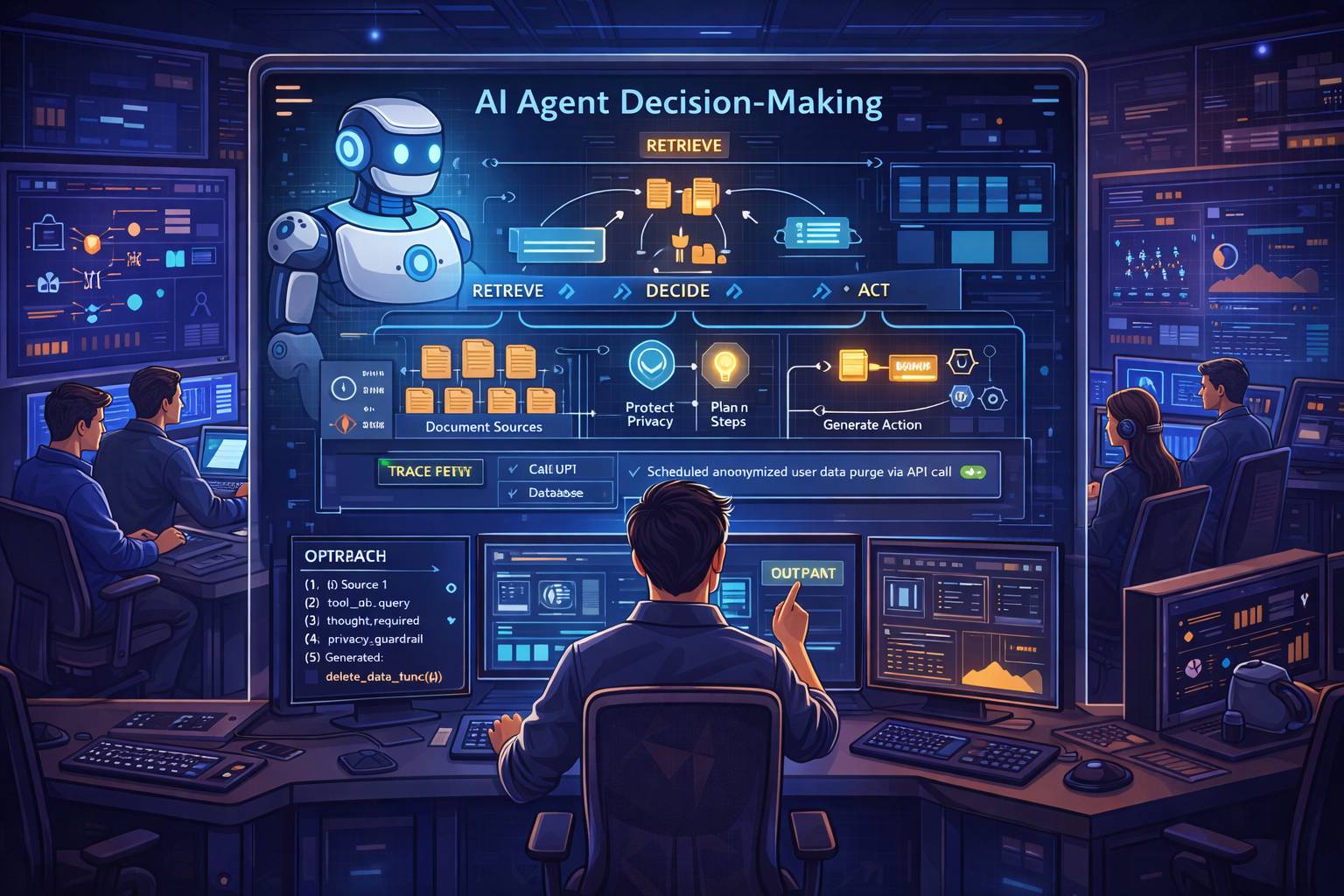
Modern agents require fundamentally different testing approaches than traditional software. Gone are the days of simply throwing a bunch of test cases at a piece of code and hoping for the best. Agents are complex, dynamic systems that interact with the world in multifaceted ways, making traditional testing methods inadequate for the task.
To build robust, reliable, and trustworthy building ai agent systems, you need to think about testing in a more nuanced way. One key approach is to focus on the agent’s learning and decision-making processes. This means testing not just the agent’s outputs, but its internal workings as well. By doing so, you can identify potential issues before they cause problems downstream.
Almost 90% of organizations have implemented observability for their agents, with most having detailed tracing capabilities. This enables them to monitor and debug their agents in real-time, ensuring that they are functioning correctly and making informed decisions. Visibility into agent reasoning and actions is table stakes for debugging failures and building stakeholder trust.
In addition to observability, another crucial aspect of agent testing is to validate the agent’s performance in various scenarios. This includes testing the agent’s ability to learn from data, adapt to changing environments, and make decisions in high-stakes situations. By thoroughly testing these aspects, you can ensure that your building ai agent is capable of handling a wide range of scenarios and making informed decisions that meet your business needs.
Ultimately, the key to building successful building ai agent systems is to adopt a comprehensive testing approach that accounts for the unique complexities of these systems. By doing so, you can build agents that are not only intelligent but also reliable, trustworthy, and effective.
Agent Performance and Optimization
When it comes to building AI agents, performance and optimization are crucial factors that can make or break their effectiveness. In this section, we’ll delve into the intricacies of agent performance and explore ways to optimize their behavior.
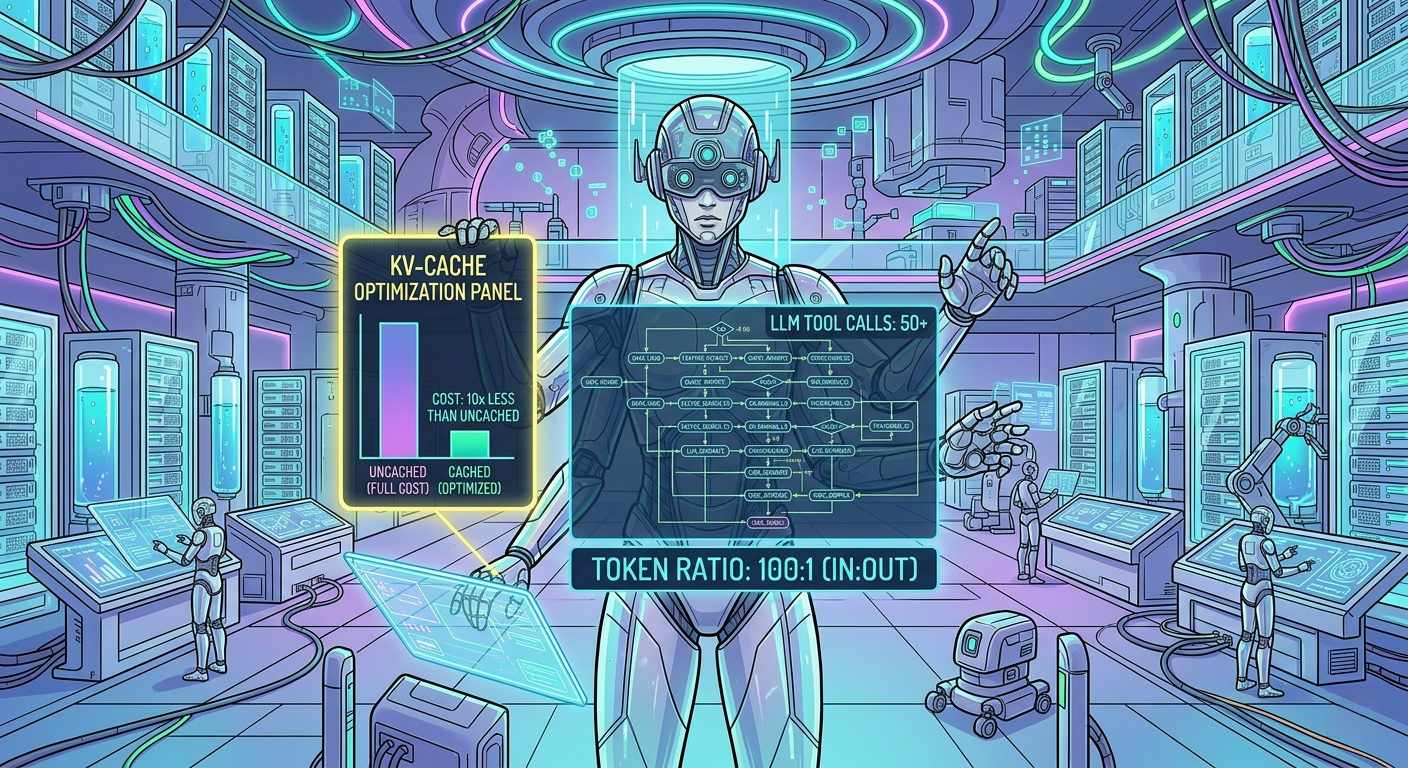
Typical agentic tasks require around 50 tool calls on average with input-to-output token ratios of 100:1. This means that for every single output generated by the agent, it requires 100 input tokens to process. While this might not seem like a lot, it can quickly add up and become a bottleneck in high-traffic applications.
KV-cache optimization becomes critical as cached input tokens cost 10x less than uncached ones in production. By implementing a robust caching system, you can significantly reduce the latency and computational overhead associated with generating output tokens. This, in turn, can improve the overall performance and responsiveness of your AI agent.
However, building AI agents that can handle high-stress environments requires more than just a caching system. To increase agent reliability for deterministic tasks, you need to build tools that can handle errors and exceptions with ease. This means developing robust error-handling mechanisms, implementing retry logic, and ensuring that your agent can recover from crashes and failures.
By focusing on agent performance and optimization, you can create AI agents that are not only more efficient but also more reliable and effective. By building AI agents that can handle the demands of high-traffic applications, you can unlock new possibilities for automation, decision-making, and innovation. Whether you’re building a conversational AI, a recommendation system, or a predictive model, agent performance and optimization are essential considerations that can make all the difference in the world.
Conclusion
The harsh reality is that only about 5% of organizations have successfully deployed AI agents in production. This staggering statistic highlights the immense challenges that teams face when trying to integrate AI into their workflows. What’s even more concerning is that most teams are rebuilding their agent stack every three months, indicating just how unstable production environments remain.
This shouldn’t come as a surprise, given the complexities involved in building AI agents. The initial architectural decisions are more critical than ever. A single misstep can lead to a cascade of issues that are difficult to resolve. It’s like building a house on shaky ground – the foundation has to be solid if you want the structure to last.
The benefits of building AI agents are significant, but the challenges require careful consideration. By automating routine tasks, enhancing decision-making capabilities, and improving customer experiences, AI agents can drive business growth and stay ahead of the competition. However, these advantages come with a price – a price that many organizations are not willing to pay.
So, what can be done to increase the chances of success when building AI agents? It starts with a clear understanding of the organization’s goals and requirements. By defining a well-planned strategy and roadmap, teams can avoid common pitfalls and ensure that their AI agents are integrated seamlessly into their workflows. By doing so, they can unlock the full potential of AI and reap its numerous benefits.