Is everything fine or is AI replacing software engineers? There is lately often medialized decrease of software engineers in the last few years.
You might be wondering if the fears of job displacement in the tech industry are a new phenomenon. The truth is, similar fears have been circulating for decades. The rapid progress of technology and automation has always led to concerns about the future of certain professions.
Let’s take a step back and look at some historical examples. After the dot-com bubble burst in 2001, many people predicted the end of the tech industry. They believed that the rapid growth and subsequent crash would lead to a decline in tech employment. However, this fear was short-lived, and the industry bounced back stronger than ever. In fact, the tech industry has continued to grow and evolve, with new emerging technologies and fields like AI, machine learning, and data science creating new job opportunities.
The same pattern repeated itself after the 2008 financial crisis. Many experts predicted that the crisis would lead to a decline in tech employment, but instead, it sparked a new wave of innovation and investment in the industry. Today, we’re facing another fear – the fear of AI replacing software engineers. This fear is driven by the rapid advances in code-generating models, which some believe could automate many tasks traditionally performed by software engineers.
However, history suggests that these fears are often unfounded. While it’s true that AI and automation are changing the nature of work, they’re also creating new opportunities for humans to work alongside machines. The reality is that the tech industry is constantly evolving, and new technologies and innovations are creating new job opportunities for software engineers and other professionals.
Current State of AI Adoption
The landscape of software engineering hiring is undergoing a significant shift. Recent charts showing a slowdown or decline in hiring reflect the broader macroeconomic tightening and the inevitable post-hiring corrections that follow. However, amidst this slowdown, a more profound transformation is taking place – the accelerated adoption of Artificial Intelligence. As AI capabilities continue to advance, it’s not surprising that some might think we’re on the cusp of a revolution where AI replaces software engineers.
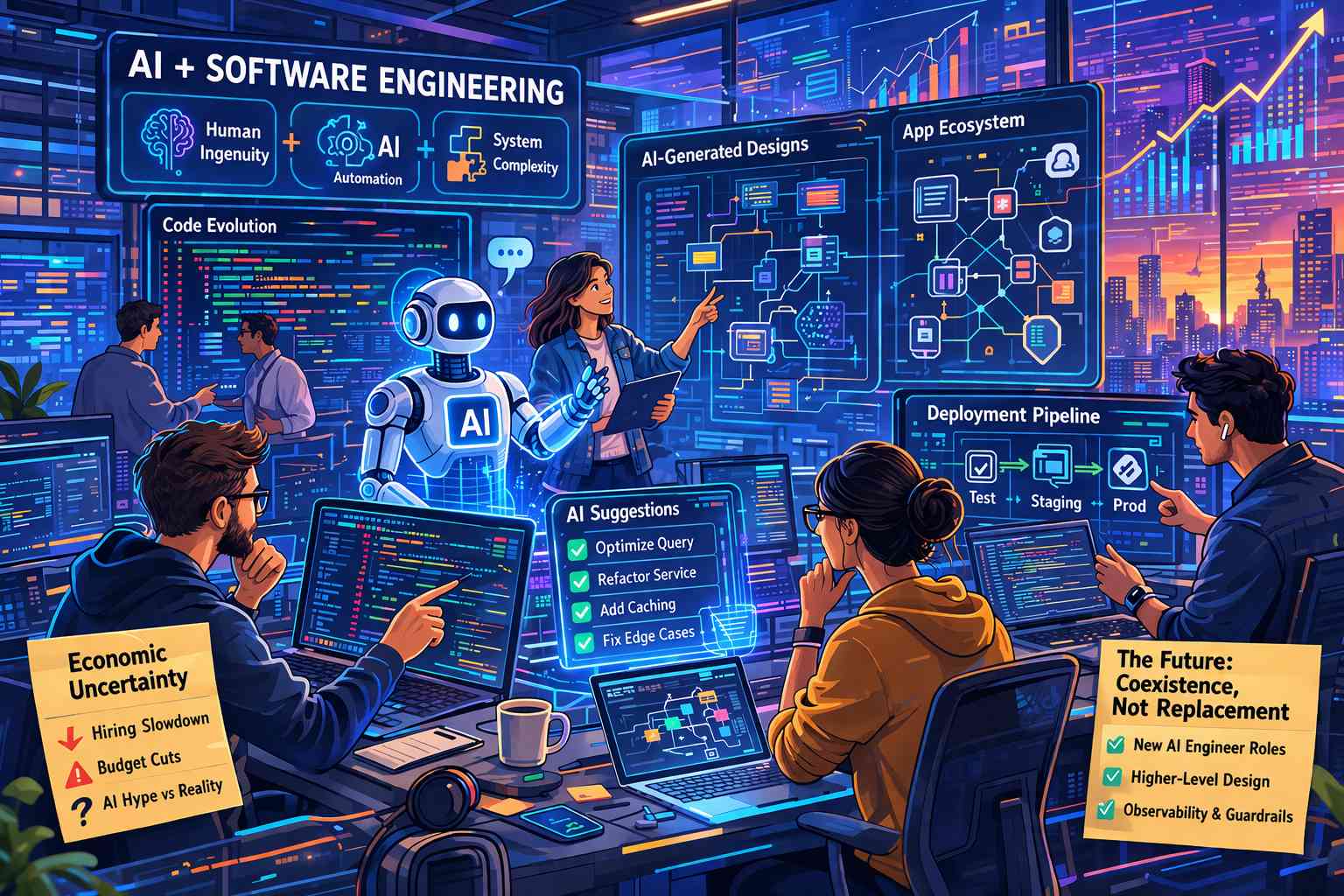
But, is this really the case? The notion of AI replacing software engineers is a misconception that’s gaining traction. What’s happening instead is that AI is not only augmenting but also reshaping the demand for software engineering skills. AI-powered tools are becoming essential components of the software development process, freeing up engineers to focus on higher-value tasks that require creativity, problem-solving, and critical thinking.
The line between generating a feature based on a prompt and maintaining and developing complex applications with numerous integrations within a company and third parties is a significant one. While improved models and better context might bridge this gap, it’s essential to recognize the distinction. As AI adoption accelerates, the role of software engineers is evolving, not disappearing. Instead of fearing AI replacement, we should be embracing the opportunities presented by this technological shift. By combining human ingenuity with AI-driven capabilities, we can unlock new levels of productivity, innovation, and efficiency in the software engineering industry. The current state of AI adoption is a harbinger of exciting times ahead, where software engineers and AI collaborate to create a future that’s brighter and more promising than ever.
Gaps in AI Technology
While we’re often led to believe that AI is getting closer to replacing human roles, the reality is far from it when it comes to software engineering. The notion of AI replacing software engineers is a myth that’s yet to become a reality. In fact, the full replacement of software engineers would require systems approaching AGI-level autonomy, a milestone that’s still in the distant future.
Current models, even the most advanced, still struggle with reliability, consistency, and deep contextual understanding. They’re proficient in handling specific tasks, but their limitations become apparent when faced with complex, real-world scenarios. This gap keeps human engineers essential, as they’re needed to bridge the gap between AI capabilities and real-world applications.
Even if AI models were to become good enough to take over most of a developer’s responsibilities, there’s still the issue of who would be in control of these models. It’s highly unlikely that current less technical business analysts, product owners, or other non-technical roles would be responsible for coding agents. This is a recipe for disaster, as they wouldn’t have the full knowledge or expertise to fix problems that arise.
Imagine a scenario where an AI model designed to automate a critical process suddenly malfunctions, causing a cascade of errors. Who would be responsible for fixing it? The AI itself? Or the business analyst who may not have the necessary coding skills to resolve the issue? The possibility of AI replacing software engineers is still a distant dream, and until AI systems can demonstrate AGI-level autonomy, human engineers will remain an essential part of the development process.
Importance of Human Oversight
As AI technology advances, the notion of AI replacing software engineers has become a topic of interest. However, the reality is that AI is still struggling to fully own backend systems due to complex integrations, state management, security, compliance, and long-term evolution. While AI can bring you 90% or even 95% of the solution, the last few percent are the toughest to crack.
In fact, the final 5-10% of code generation is the hardest and most valuable work. This is the realm of experienced engineers who remain critical in handling edge cases, debugging, deployment, and reliability. AI can generate thousands of lines of code, butDeploying a completed app to the cloud is a whole different ball game.
The truth is, AI is not yet ready to replace human engineers. The complexity of software development requires human intuition, creativity, and problem-solving skills that AI systems currently lack. While AI can automate routine tasks and provide valuable insights, human oversight is essential to ensure that the final product meets the desired standards.
As we continue to rely on AI for code generation, it’s crucial to remember that the human touch is still essential. Experienced engineers must work alongside AI systems to ensure that the resulting code is reliable, efficient, and scalable. By embracing this collaboration, we can unlock the full potential of AI and create software systems that are truly exceptional. The future of software development lies in the harmony between human creativity and AI-driven automation.
Role Evolution in Software Engineering
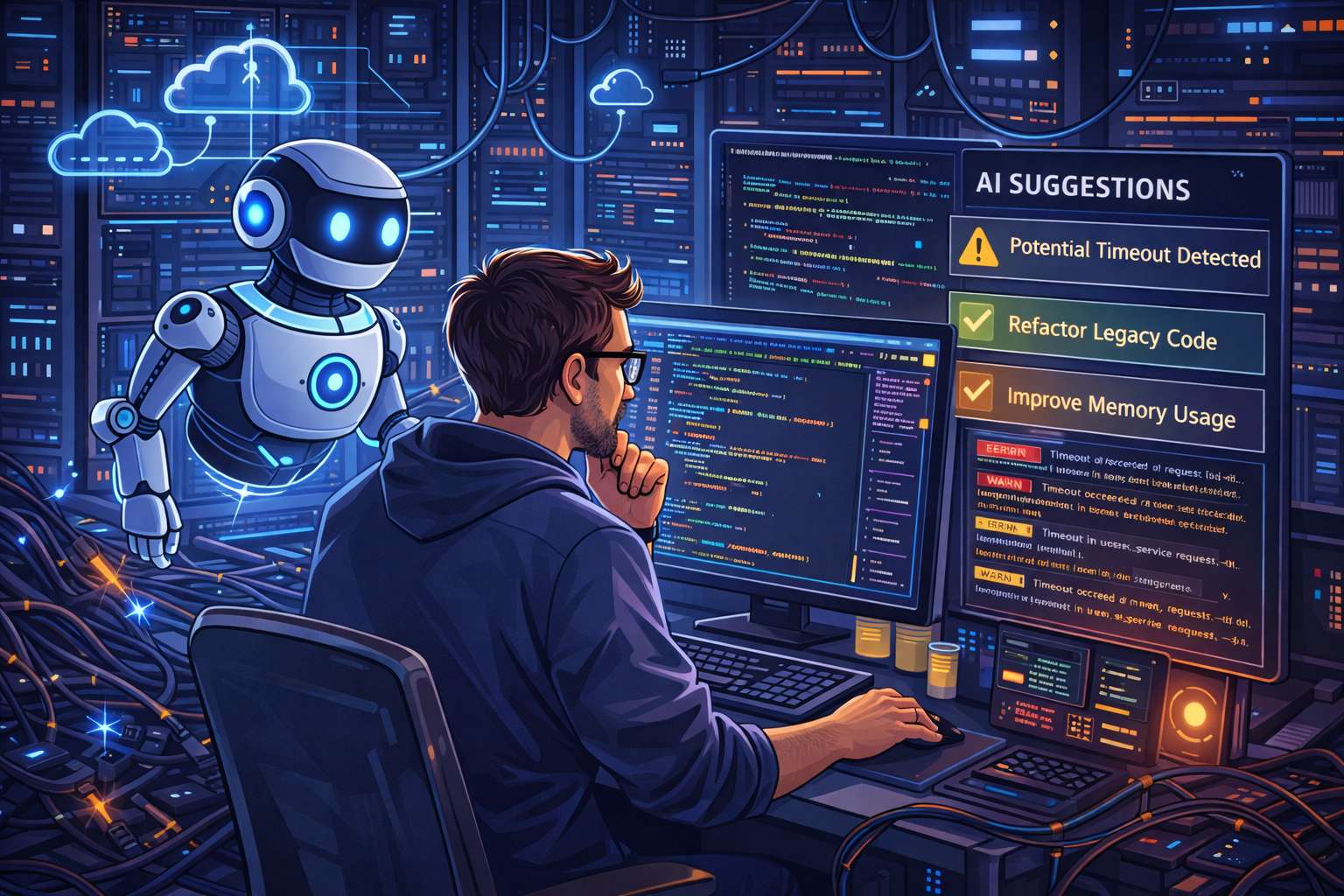
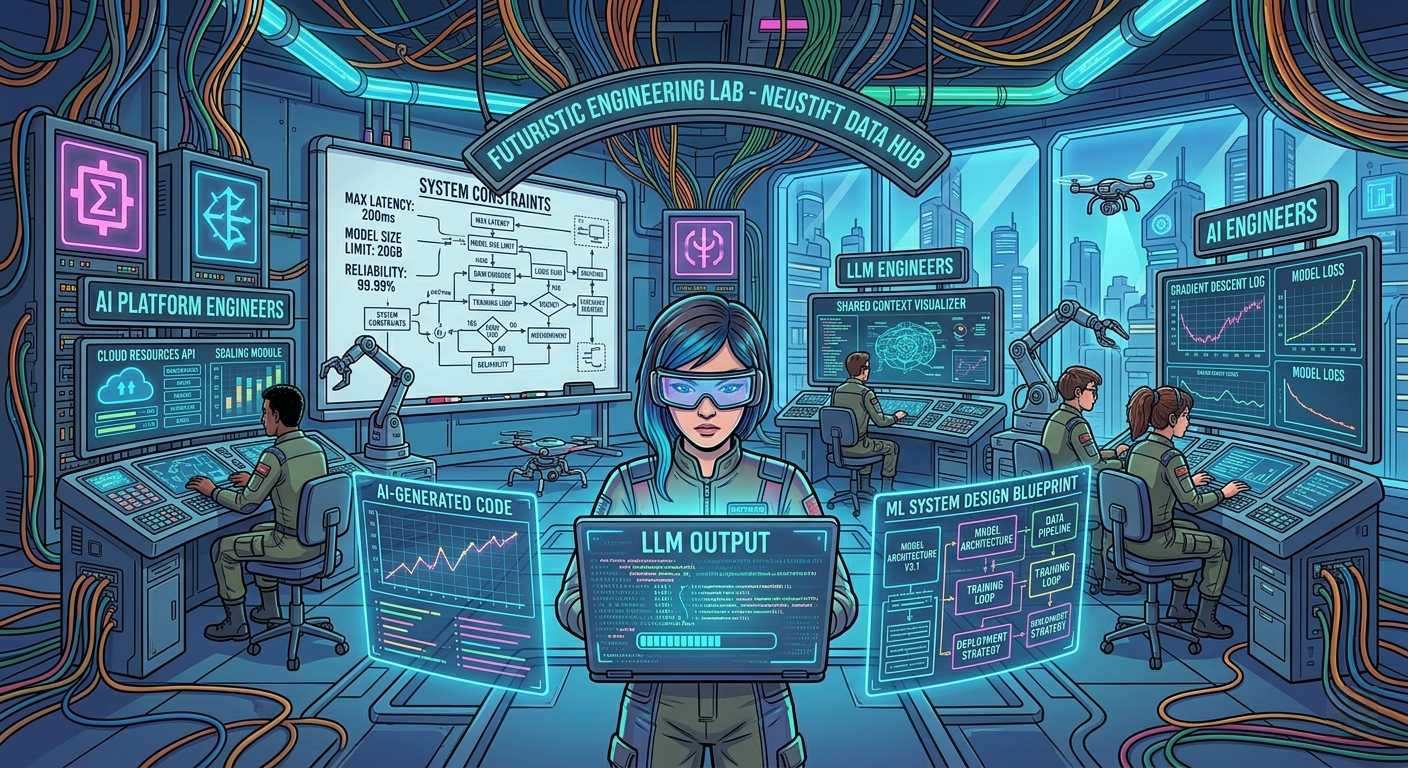
The role of the engineer is shifting from writing code to designing systems, defining constraints, and reviewing AI-generated outputs. Gone are the days of manual coding; today’s software engineers are tasked with understanding the intricacies of machine learning and its applications. New roles such as AI engineer, LLM engineer, and AI platform engineer are emerging, blending traditional backend skills with ML system design. These roles require engineers to think creatively and strategically, integrating AI technologies to build innovative solutions.
While some may fear that AI replacing software engineers is a looming reality, the truth is that AI is augmenting the role, not replacing it. In fact, AI is creating new opportunities for engineers to focus on high-level design, strategy, and problem-solving. Instead of spending hours writing code, engineers can now devote their time to defining the constraints, testing, and refining the outputs generated by AI.
The evolution of software engineering roles is not new; each time after a major technological shift, new jobs and opportunities emerge. Remember the dot com bubble bursting in 2000? It seemed like the internet was a fleeting idea, but it paved the way for the most successful companies of the past two decades. The demand for technical roles skyrocketed, and the industry experienced unprecedented growth.
Today, we’re witnessing a similar shift. The fear of AI replacing software engineers is a myth; in reality, AI is creating new roles, new opportunities, and new challenges. As AI continues to advance, we can expect the software engineering landscape to change dramatically. But one thing is certain – the demand for skilled engineers who can integrate AI technologies into their work will continue to grow.
Long-term Outcome
It’s time to bust the myth that technological advancements will lead to job losses. Historically, major technological shifts in IT have led to more jobs, not fewer, by expanding the problem space and enabling new products. Think about it: the invention of the web created a whole new industry, the rise of smartphones led to the growth of mobile app development, and the emergence of cloud computing has opened up new opportunities in data storage and management.
Even in a hypothetical scenario where a large portion of coding tasks is automated, demand for people who understand and manage AI systems will surge. While AI replacing software engineers might be a concern, it’s a misconception that it will lead to job obsolescence. Instead, it will lead to new roles and opportunities that require specialized skills.
The long-term outcome is role transformation and expansion, not obsolescence. As AI takes over routine and repetitive tasks, humans will be required to manage and optimize AI systems, ensuring that they are working efficiently and effectively. This will create a new breed of professionals who can understand AI, its limitations, and its potential. They will be the ones designing, developing, and implementing AI solutions that will drive innovation and growth.
These new roles will require a combination of technical, business, and interpersonal skills, making them highly sought after in the industry. So, instead of fearing AI replacing software engineers, let’s focus on embracing the new opportunities that it brings. By upskilling and reskilling, we can ensure that we are well-equipped to take advantage of the changing job market and thrive in the age of AI.