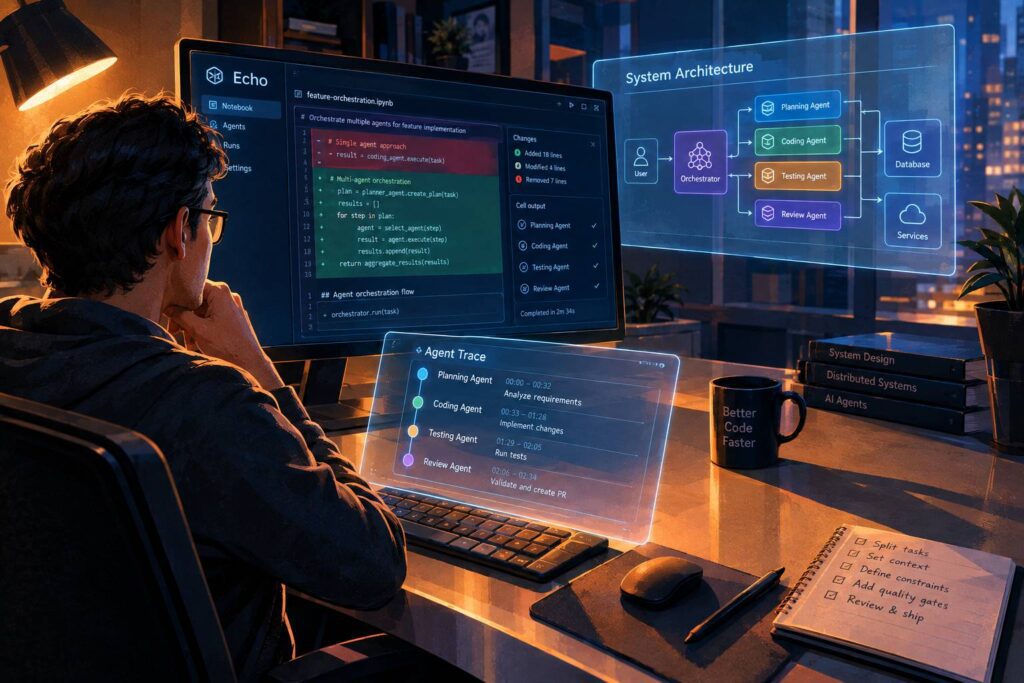
Coding tools are transforming the way we do agentic software development. These intelligent assistants are making a significant impact on the industry, automating repetitive tasks that previously consumed a major portion of developers’ time.
As coding agents become more mainstream, developers are using them regularly to streamline their workflow. In fact, it’s estimated that 90% of developers use coding agents at least once a week. This shift towards automation is allowing developers to focus on higher-level tasks that require creativity and problem-solving skills.
Coding agents are designed to perform specific tasks, such as code completion, debugging, and testing. By taking on these responsibilities, they free up developers to concentrate on more complex aspects of software development, like designing architectures and writing code that meets the needs of users.
The rise of agentic software development is changing the way we work. It’s enabling developers to be more productive, efficient, and effective in their roles. By leveraging the capabilities of coding agents, developers can deliver high-quality software faster and with greater ease.
Developers are finding that coding agents are not just limited to automating tasks, but also provide valuable insights and suggestions that can improve the overall quality of the software.

Decomposing for Success
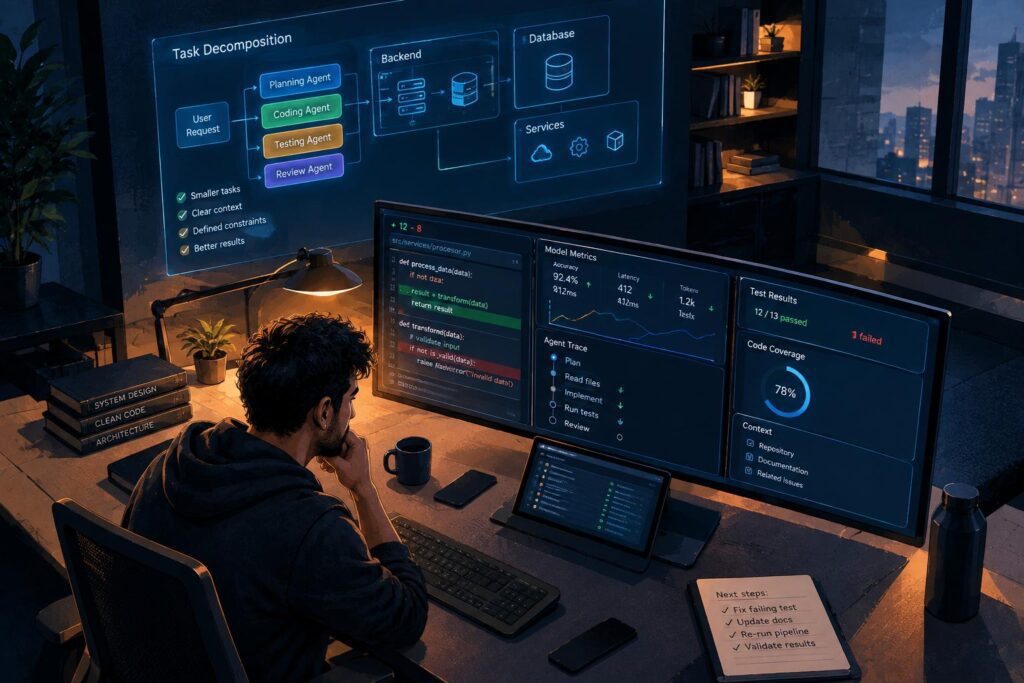
The efficiency of complex task execution has long been a challenge for engineers. A key strategy to overcome this hurdle is task decomposition – breaking down intricate tasks into manageable, smaller components.
By doing so, engineers can focus on one aspect at a time, eliminating the need to juggle multiple priorities simultaneously. This streamlined approach reduces the cognitive load and enables the team to tackle the task more effectively.
Each smaller task becomes a self-contained unit with a clear objective, making it easier to identify and address potential issues. This clarity also paves the way for the creation of autonomous agents, which can perform independently once the tasks are well-defined.
These autonomous agents can then execute the smaller tasks without requiring continuous supervision or intervention. Well-defined tasks act as a roadmap for the agents, guiding them through the process and ensuring consistent results.
By leveraging task decomposition, teams can improve their productivity and achieve more with less effort. As the complexity of tasks increases, the benefits of decomposition become more pronounced, making it an indispensable skill for modern engineers.
Delegation and the Engineer’s Role
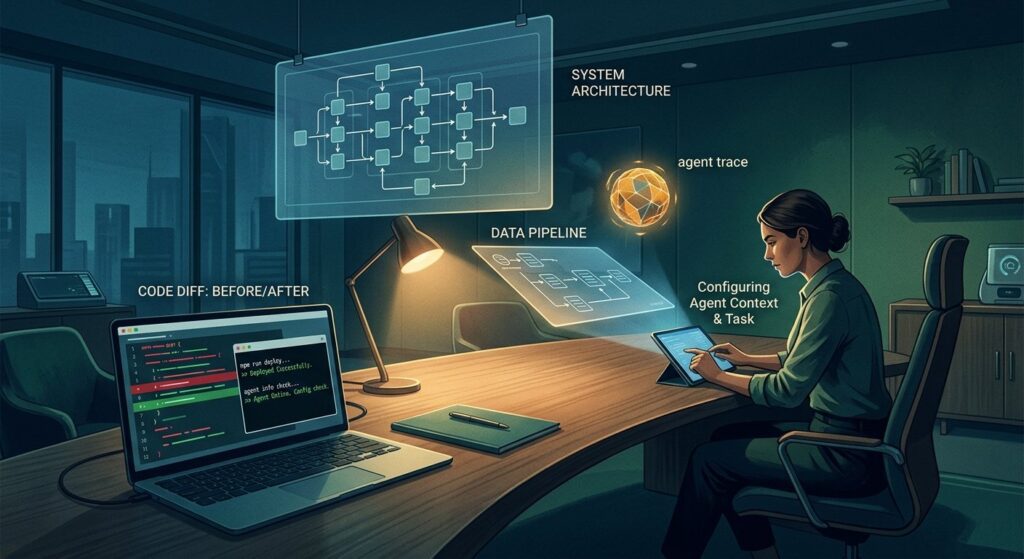
Agentic software development is shifting the engineer’s focus from writing code to making decisions about how that code will work. This means engineers are no longer just typing away, but rather deciding which agent will handle specific tasks, in what context, and how they will interact.
The primary task is no longer transcribing the code, but rather delegating responsibilities to different agents. This requires engineers to have a deep understanding of the problem they’re trying to solve, as well as the capabilities of each agent they’re working with.
Engineers must now decide which agent is best suited to handle a particular task, and how they should be configured to work within the larger system. This might involve choosing between different types of agents, or setting parameters to control how each one behaves.
The implications of this shift are significant. As engineers become more focused on decision-making, they will need to develop new skills and adapt to a changing role. They will need to communicate more effectively with other stakeholders, and work closely with agents to ensure that they are working together seamlessly.
Engineers will need to be able to evaluate the performance of each agent, and make adjustments as needed to achieve the desired outcome. This will require a new level of collaboration and coordination, as well as a deep understanding of the strengths and limitations of each agent.
Quality Gates and Feedback Loops
Quality gates ensure that agent output meets certain standards. These checkpoints verify that the agent’s performance is on track and that it’s delivering the desired results. By setting clear expectations, quality gates help maintain consistency and prevent subpar output from slipping through the cracks.
Feedback loops are an essential part of the process, allowing agents to diagnose and iterate on their work. This continuous cycle of improvement enables agents to learn from their mistakes and refine their performance over time. As agents receive feedback, they can adjust their approach to better meet the needs of the team and the project.
Failed tests and review comments feed back into the agent, providing valuable insights into areas that need improvement. By analyzing this feedback, agents can identify patterns and make targeted adjustments to their performance. This self-improvement process is particularly effective in the context of agentic software development, where agents are designed to adapt and learn in response to changing requirements.

Escalation and Agent Capabilities
When it comes to tasks and responsibilities, agents and humans should operate within their respective realms. Agents excel at handling routine work autonomously, freeing up human resources for more critical tasks that require a personal touch.
This strategic separation ensures that agents focus on tasks that are repetitive, predictable, and don’t pose a risk to security or integrity. Meanwhile, humans handle high-risk tasks that demand a human touch, such as those requiring empathy, negotiation, or complex decision-making.
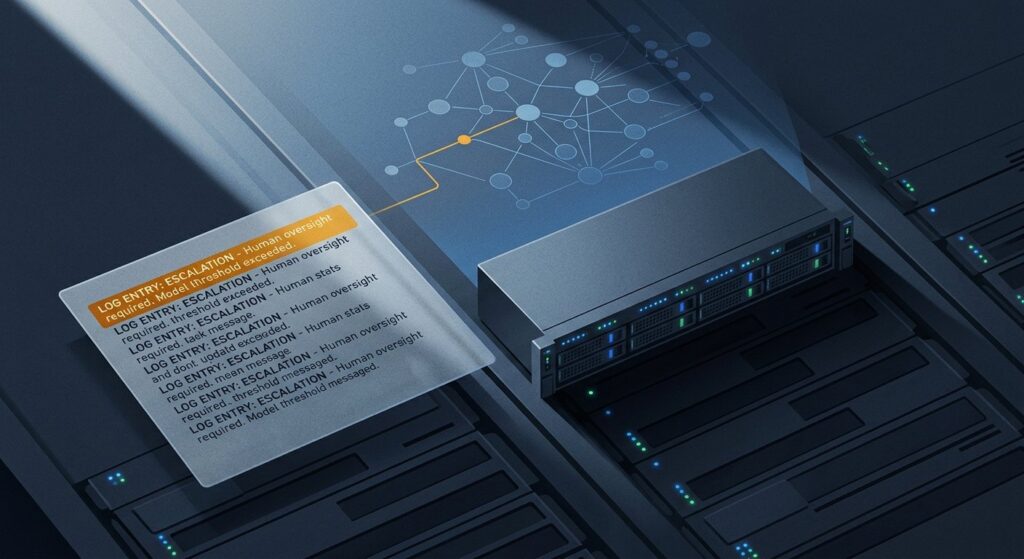
Escalation to humans must be deliberate and strategic, meaning that agents are not automatically passed on to humans at the first sign of trouble. Instead, a thoughtful evaluation is made to determine whether human intervention is truly necessary.
Agents should not be given security-sensitive or ambiguous tasks, as their capabilities are best suited for well-defined, low-risk work. By maintaining this clear distinction, we can maximize the benefits of agent capabilities while safeguarding the integrity of critical tasks.
The Future of Engineering
Agentic software development is changing the definition of a skilled engineer. Gone are the days of the lone coding hero. Software development is becoming increasingly complex, and with it, the need for collaboration and coordination has grown exponentially.
Effective agent management is no longer a nicety, but a necessity. As teams grow and projects become more intricate, the ability to manage and orchestrate multiple agents, tools, and processes will be the key to success. The most skilled engineers will be those who can effectively manage their agents, leveraging their strengths and compensating for their weaknesses.
Orchestration quality is the new engineering advantage. A good engineer will be able to design and execute efficient workflows, optimize agent performance, and minimize the risk of errors and delays. This is not just about getting the job done, but about doing it with precision, speed, and reliability. As software development continues to evolve, the engineers who can deliver high-quality orchestration will be the ones who stand out.