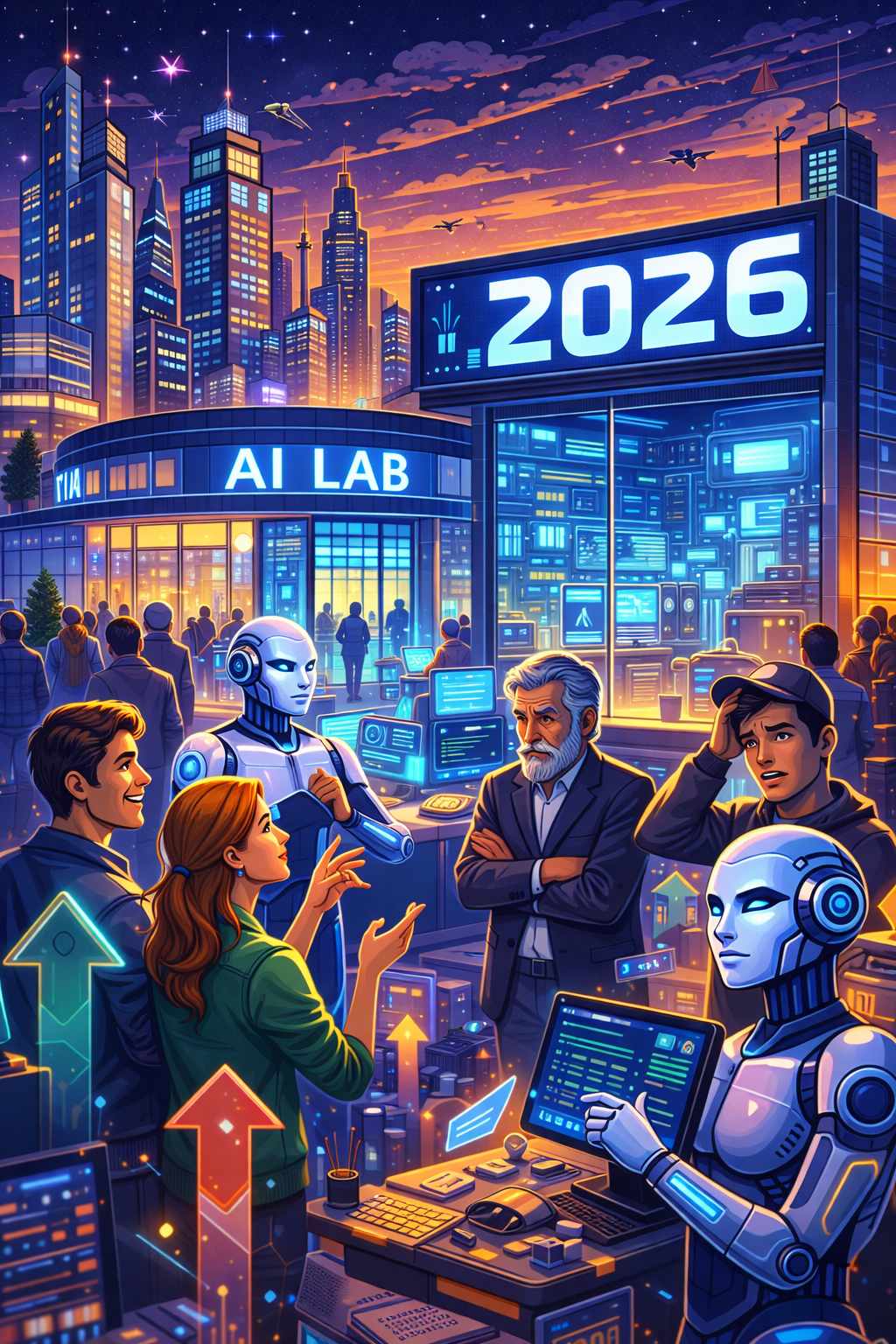
As we step into a new year, the AI landscape is poised for another year of changes. The explosive rise of generative AI in recent years has captured the imagination of the world, but 2026 is shaping up to be a year of reflection for AI.
Expectations are meeting the reality of harder, less visible problems that require substantial breakthroughs. AI progress will feel slower in 2026 as breakthroughs shift to more complex issues. After the initial excitement and hype surrounding AI, progress is no longer about flashy demos but about trust, reliability and real-world impact.
Public excitement and skepticism now coexist, revealing a technology moving from hype into everyday infrastructure. AI is no longer a novelty but a necessity, and its applications are becoming increasingly evident in various industries.
As AI continues to evolve, it’s interesting to consider the predictions for 2026 that will shape the future of this technology. So far it seems that humans and AI will still work together to solve various problems and human cannot be replaced just yet.
As we look ahead to 2026, it’s clear that AI will continue to be a driving force in shaping the future. With its increasing presence in various industries, it is poised to transform the way we live and work.
It will be another interesting year for AI, as it will stay the hottest technology of today. So let’s see in this article what are our predictions about next year.
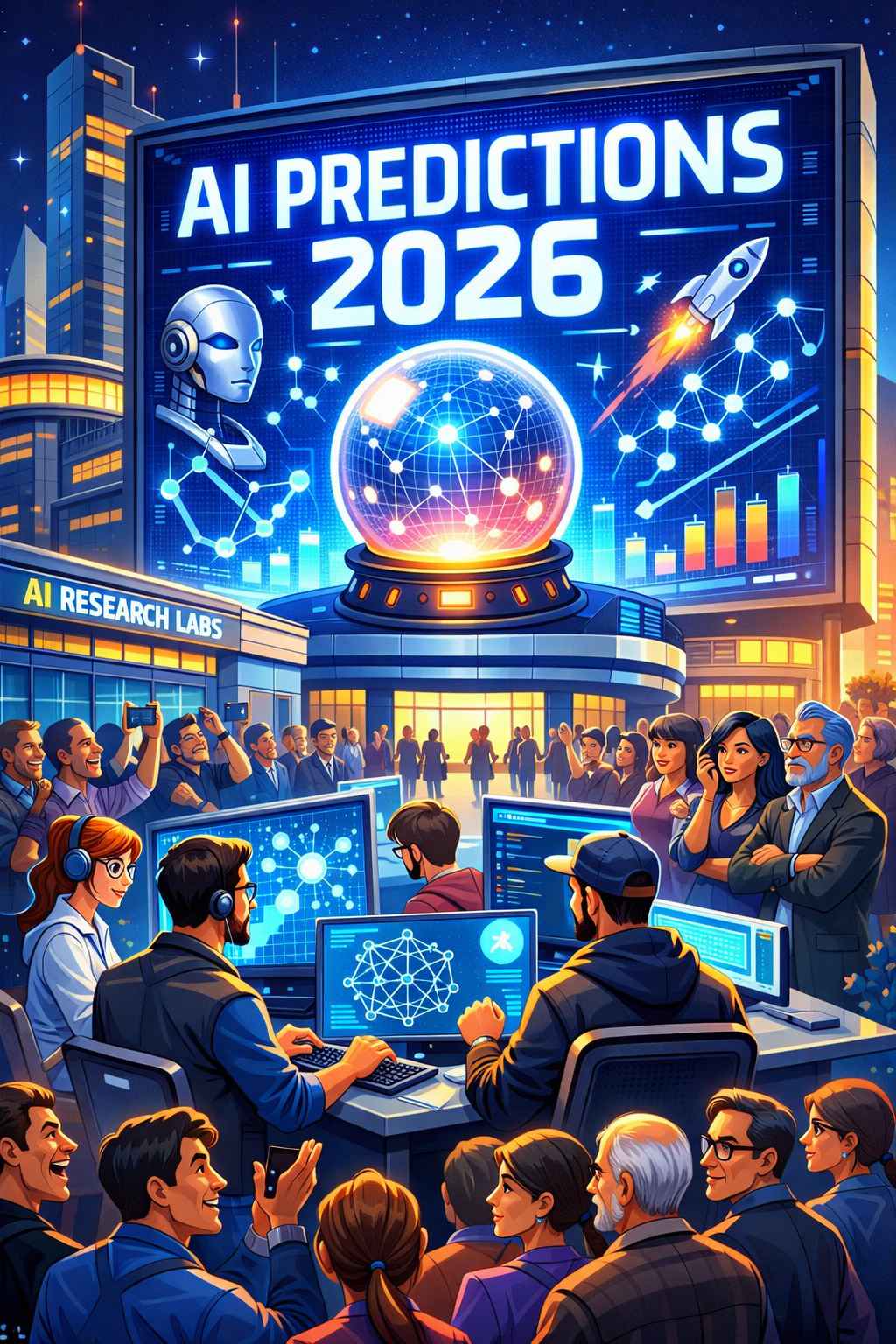
AI Progress Will Feel Slower
When you first used ChatGPT, you were probably amazed. Since everyone is already used to it, similar amazement is hard to achieve.
We’ve become desensitized to the rapid advancements in AI and what seemed like sci-fi just a few years ago is now a part of our daily lives. This is why we’re likely to feel like progress is slowing down – not because it is, but because our expectations have changed.
As we move into 2026, breakthroughs in AI will indeed shift from simple chatbots to more complex problems. The focus will be on developing autonomous agents that can adapt and interact with their environments in a more human-like way.
Long-horizon planning, which involves making decisions based on future outcomes, will also become a key area of focus.
Another area that will see significant advancements is realistic video generation. Imagine being able to create videos that are almost indistinguishable from reality. This technology has the potential to revolutionize many industries, especially entertainment.
However, these advancements won’t happen overnight. In fact, they’ll likely feel slower than they did in the past. The reason is that these problems are significantly harder to solve. They require development of more sophisticated systems than the well known text based chats.
Despite the perceived slowdown, we can expect to see significant breakthroughs in areas that were previously thought to be the realm of science fiction. The key is to understand that progress is not always linear and sometimes it takes a step back before we can take two steps forward.
Companies Will Be Careful About Claiming AI Use
As the digital landscape continues to evolve, companies will be cautious about making claims about their use of AI. The notion of “Generative AI-free” might persist for a brief period, but it’s clear that AI is becoming an integral part of many industries. This trend is expected to continue, with AI adoption becoming increasingly unavoidable and implicit across all sectors.
Using AI will become a standard in many industries, leading to a significant increase in adoption rates. Those who resist its adoption risk falling behind their competitors, as AI-powered solutions become the norm.
As the use becomes more widespread, its benefits and limitations will come under greater scrutiny. Companies that fail to adapt and leverage AI technology will struggle to stay competitive, ultimately leading to a loss in market share.
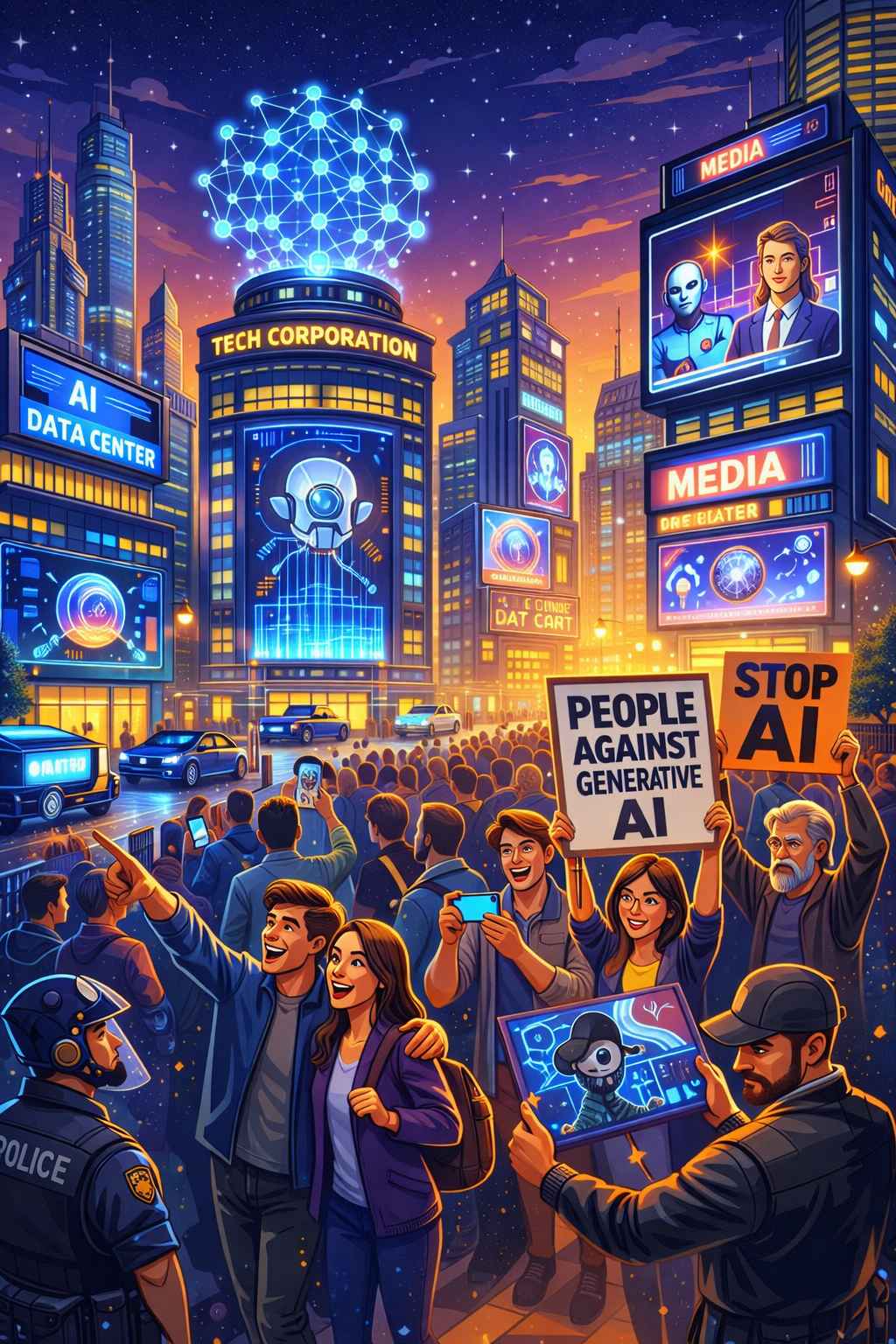
Meanwhile, the public’s perception of generative AI will remain complex in 2026, particularly in the art and media sectors. As generated content becomes more prevalent, so will the concerns about its authenticity and value. However, it’s likely that public resentment will gradually subside as people grow accustomed to AI-driven creations.
The increased use of AI-generated content will inevitably lead to greater debate. As this technology continues to advance, it’s crucial for companies to stay ahead of the curve and adapt to these changes.
By embracing its capabilities, businesses can stay competitive and thrive in an increasingly digital world. As the years go by, we can expect AI to become an integral part of our daily lives, transforming industries and revolutionizing the way we work and interact with one another.
Eventuall companies will not even mention anything about AI use, as everyone will understand it is the standard way of building basically any product.
Customer Service fully powered by AI
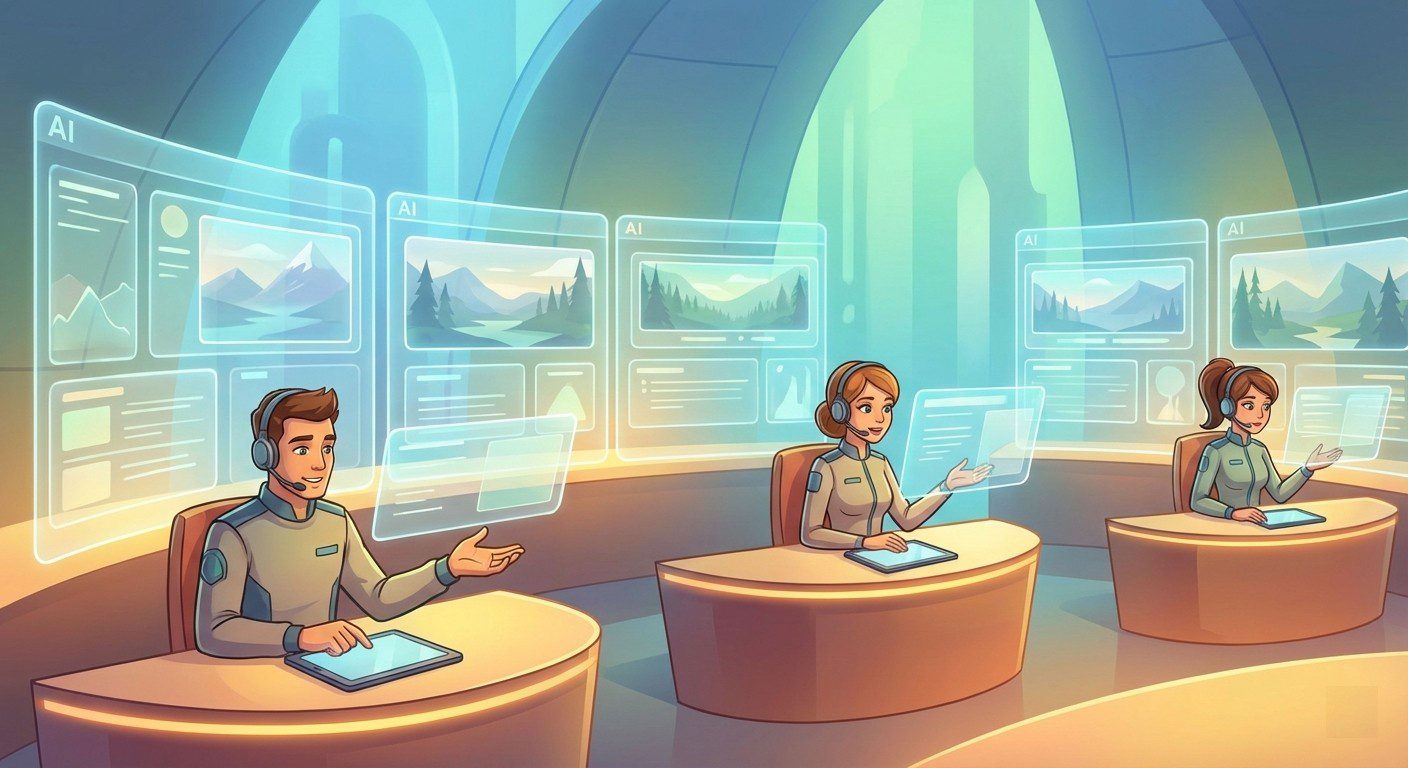
The face of customer service is changing rapidly and it’s being driven by AI-powered chatbots that are becoming increasingly prevalent and it’s not hard to see why. These intelligent machines can provide 24/7 support, answer frequent customer inquiries and free up human customer service representatives to focus on more complex issues.
Imagine a world where you can get help with a simple query at any time of day or night, without having to wait for a human representative. Sounds like a dream come true, right? Well, it’s not too far off, thanks to the latest advancement.
In the next year, AI-powered chatbots will become the norm in customer service, and it’s going to cement generative software tools in the way we interact with businesses.
Some optimistic predictions mention over 80% of customer service interactions will be automated, replacing the need for human representatives in many cases. This may seem daunting, but it can be actually a positive development. With chatbots handling routine queries, human customer service reps will be free to focus on different issues, requiring soft skills that are not available to computers.
The benefits of this shift are numerous. Not only will businesses save on labor costs, but they’ll also be able to provide a more personalized and efficient customer experience.
And for customers, it means getting help when and where they need it, without having to wait or navigate complicated phone menus. As we move towards a future where AI is an integral part of customer service, one thing is clear – it’s going to be a new standard.
Creative Industry Will Be Redefined – Again
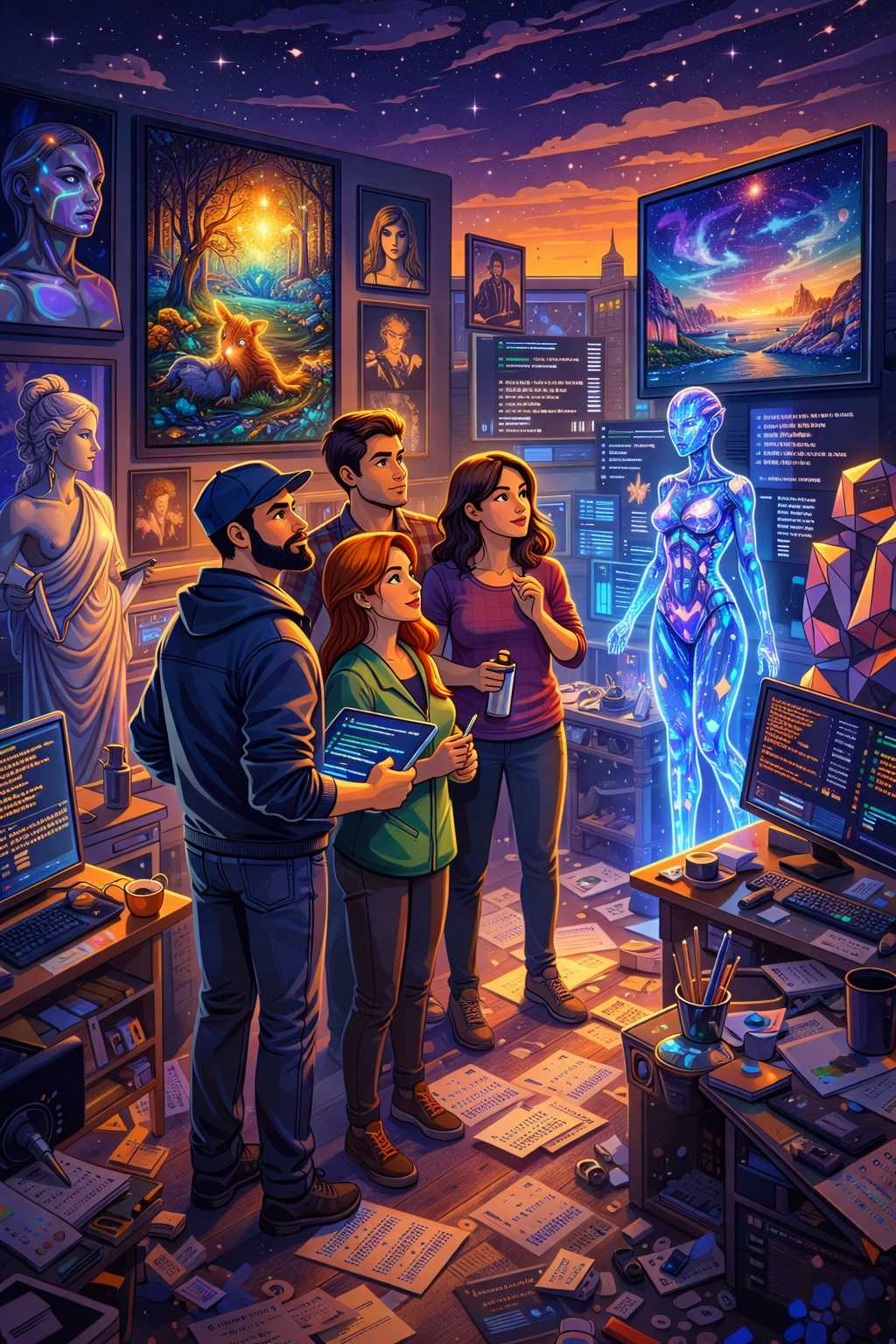
The world of creativity is on the cusp of another revolution, and it’s not just about the tools we use to create. The rise of artificial intelligence is redefining the boundaries of what’s possible, and with it, new challenges and opportunities arise.
While AI-generated content has already shown the potential to elevate the creative process, it also poses a significant threat to the integrity of human creativity.
Creative works using AI will still face disqualification or other hardship. Like one of the best recent video games Clair Obscur: Expedition 33, which dominated the Game Awards, it was subsequently disqualified from the Indie Game Awards due to generative AI use.
This is a sobering reminder that the line between AI-generated and human-created content is still blurred. As computer generated content becomes more sophisticated, it’s becoming increasingly difficult to even distinguish between the two.
Regulatory bodies are struggling to keep up with the pace of innovation and enforcement of content regulations will weaken as AI becomes ubiquitous. The consequences of this are far-reaching. We can expect to see a another significant increase in AI-generated content across various all creative industries.
As the line between human and computer generated content continues to blur, we’re faced with a question: what does it mean to be creative? Is it the process of creating something new or is it the outcome itself?
As we navigate this new landscape, it’s essential to consider the implications on the creative industry. Will it lead to a more democratized and accessible form of creativity, or will it marginalize human artists and writers? Only time will tell.
AI Agents Will Be Overhyped
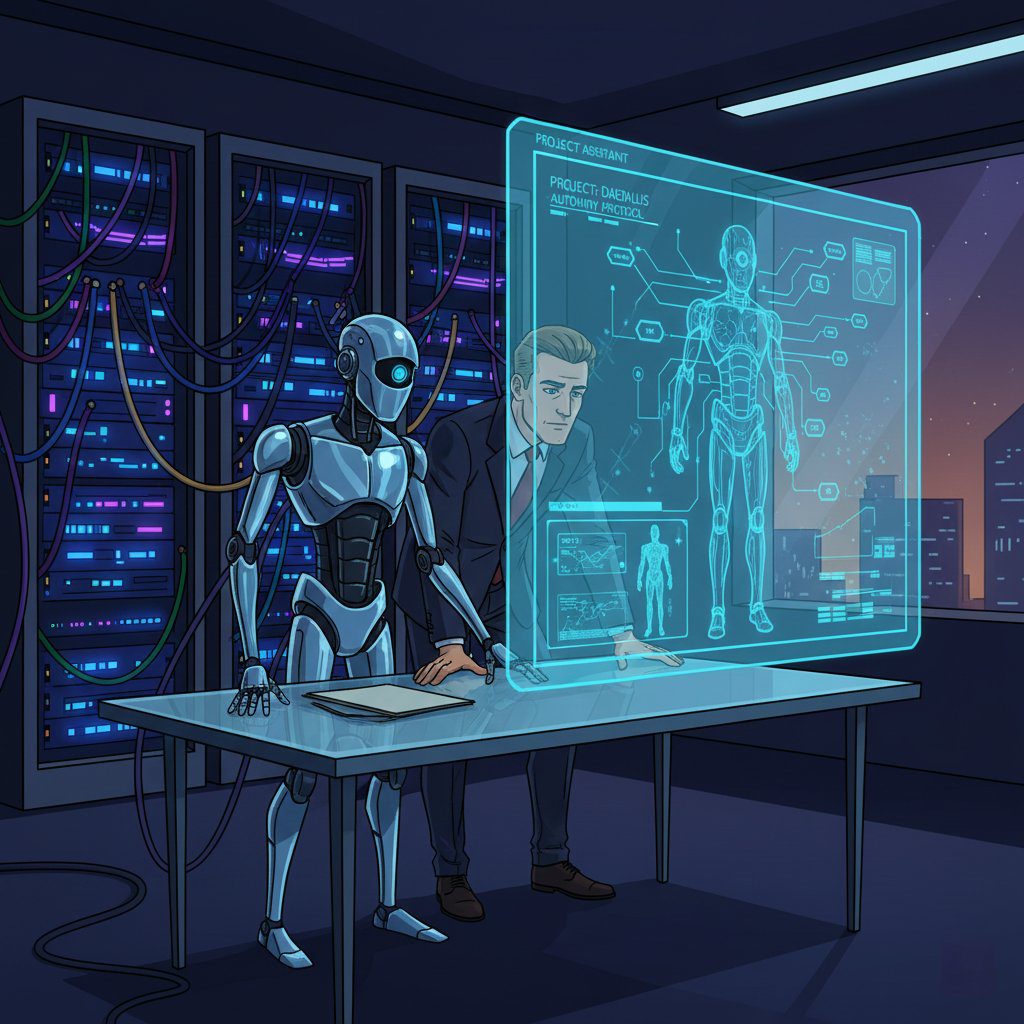
In 2026, the term “AI agent” is going to be thrown around a lot, but let’s set the record straight – most “AI agents” in 2026 will function as guided assistants, not fully autonomous decision-makers. These AI agents will be designed to perform specific tasks, but they won’t have the capability to make decisions on their own. Think of them as smart butlers, not CEOs.
The hype around AI agents is expected to continue, but with a caveat – AI agents will remain overhyped in 2026, with limited real autonomy due to trust, liability, reliability and usability concerns. As we move forward, we’ll see more emphasis on developing AI agents that can think for themselves, but for now, it’s all about guided assistance.
Companies will invest heavily in developing AI agents with real autonomy. This means we’ll see significant advancements, however these advancements will be incremental, not revolutionary.
The focus on developing more autonomous AI agents is a clear trend and main focus of upcoming development. While we’re not yet at the point where AI agents can truly think for themselves, the progress we make in the next year will be another important step forward. We’ll see AI agents that can learn, adapt to new situations and make decisions based on complex criteria.
However, it’s essential to separate hype from reality. The AI agents of 2026 will get better, but they’ll still be far from truly autonomous. The journey to developing AI agents that can think for themselves will be long and hard, but the progress we make will be worth it.
Company Valuations Will Be Even More Inflated
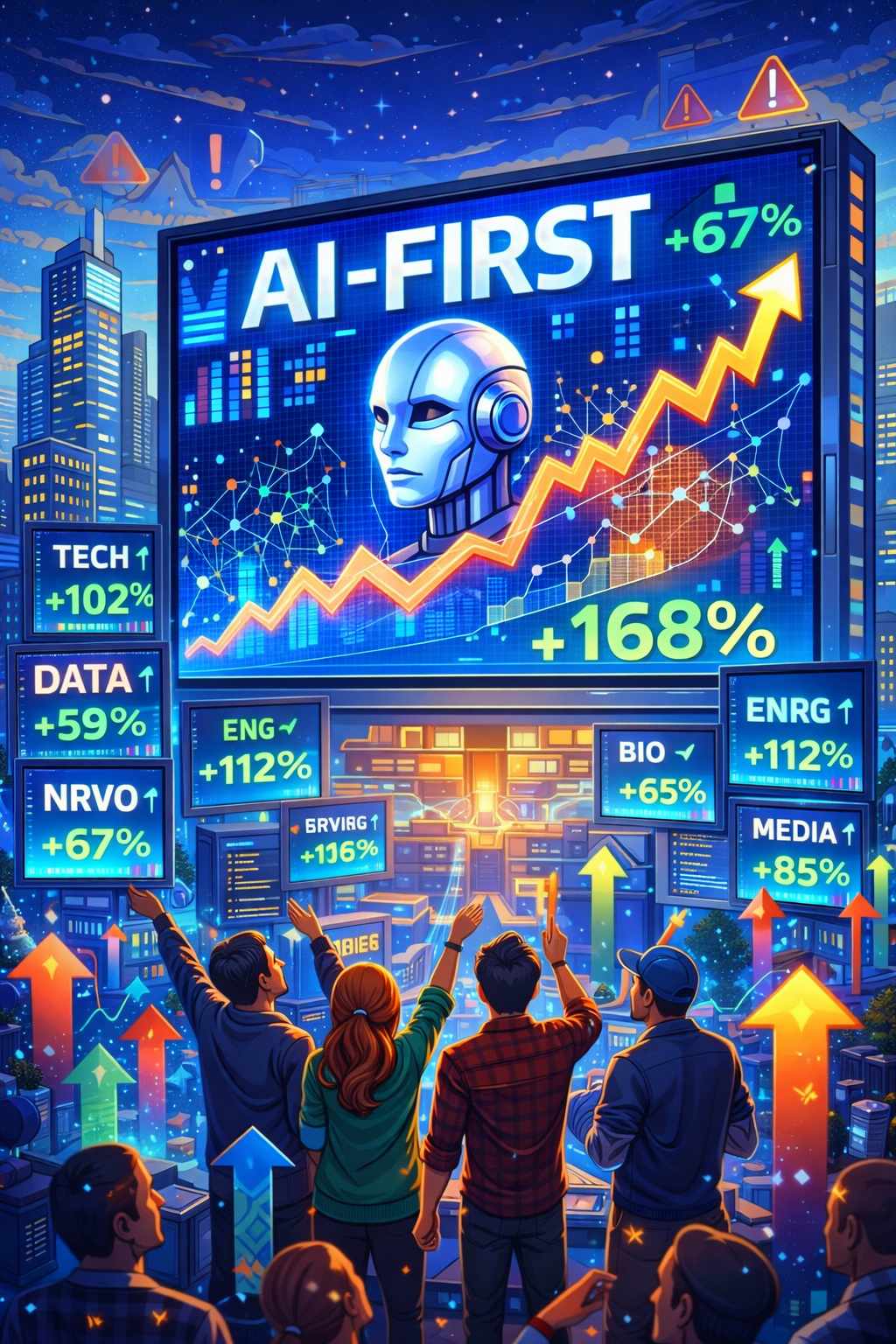
Companies positioned as “AI-first” will continue to gain inflated valuations, reinforcing the AI-bubble narrative. But the bubble will not burst. Despite concerns, no major AI market crash will happen in 2026, as adoption continues to grow.
It’s not hard to see why investors are so optimistic about AI-driven companies. The technology is indeed impressive, with many of these businesses experiencing rapid growth and high valuations. At the same time, this growth has also led to concerns about an AI bubble – and whether it’s sustainable in the long term.
The good news is that the biggest players in the AI space, like Google and Microsoft, have a solid foundation to fall back on. Unlike companies that have put all their eggs in the AI basket, these tech giants have diversified revenue streams to rely on. This means they’re better equipped to handle any setbacks in AI development, or if the market slows down.
The reality is that AI is not a fad. It’s an area that will continue to see significant investment and innovation in the years to come. And with the biggest companies leading the charge, it’s likely that the market will continue to grow and mature, even if it experiences some bumps along the way.
In reality, the biggest challenges facing the AI industry are not market fluctuations, but rather more fundamental issues like trust and responsibility. By focusing on these issues and developing more robust AI solutions, companies can build a more sustainable future for themselves – and for the industry as a whole.
As AI continues to transform the way businesses operate, it’s clear that the biggest players in the space are here to stay. And while the AI bubble may be a cause for concern, it’s unlikely to burst in the near future. With steady growth and a solid foundation, the AI market is in for a long and exciting ride.
These are our AI predictions for 2026
Overall, 2026 will mark another transition year where AI shifts from experimentation and hype to normalization and valuable use cases. Gone are the days of sci-fi movies and futuristic dreams; AI is here to stay, and it’s about to become an integral part of our daily lives.
More and more use cases will be found, from AI-powered customer service chatbots to intelligent agents, and from personalized medicine to autonomous vehicles. The possibilities are endless, and the future looks brighter than ever.
On the other hand, not everyone will be thrilled about this rapid transformation. Customers will have mixed reception of the technology, and some may even feel overwhelmed by the sheer number of AI-powered services available to them. But the value for companies is too big to ignore, and AI will become the norm in the business world.
As we look ahead to 2026, we can expect to see a significant increase in the adoption of AI across various industries. AI will be used to streamline processes, improve efficiency and enhance customer experiences. The AI predictions 2026 are clear: AI is no longer a luxury, but a necessity for businesses that want to stay ahead of the curve.
As AI continues to evolve and improve, we can expect to see even more innovative applications in the years to come. What do you think will happen in 2026? Is there another prediction that you expect to occur? Let us know in the comment section!