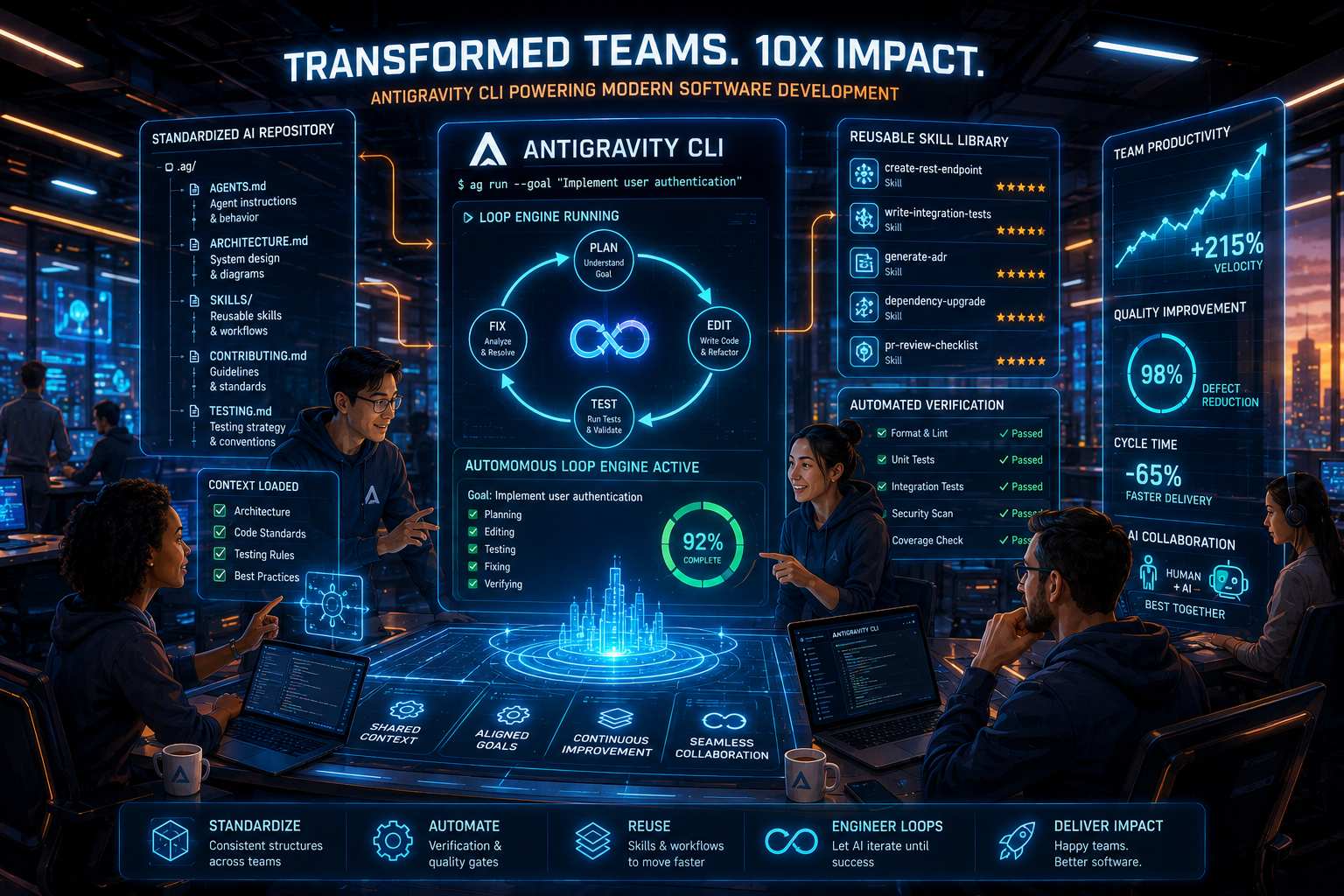
Antigravity CLI is a powerful tool designed for autonomous software engineering workflows. Its key strength lies in its ability to produce high-quality results when properly engineered. Effective usage requires understanding its capabilities and limitations.
As we dive into the world of Antigravity CLI, it’s essential to grasp the concept of autonomous software engineering. This paradigm emphasizes the use of tools and technologies that can work independently, freeing up developers to focus on higher-level tasks. Antigravity CLI is a prime example of such a tool, allowing you to streamline your workflows and increase productivity.
To get the most out of Antigravity CLI, it’s crucial to follow the Antigravity CLI best practices. This includes understanding the tool’s configuration options, learning how to write effective workflows, and mastering the art of debugging. By doing so, you’ll be able to unlock the full potential of Antigravity CLI and take your software engineering game to the next level.
One of the standout features of Antigravity CLI is its ability to learn and adapt to your workflows. The tool uses machine learning algorithms to analyze your behavior and optimize its performance accordingly. This means that the more you use Antigravity CLI, the more efficient it becomes.
In addition to its impressive capabilities, Antigravity CLI also boasts a user-friendly interface that makes it easy to navigate and use. With its intuitive command-line interface, you’ll be up and running in no time. Whether you’re a seasoned developer or just starting out, Antigravity CLI is an essential tool to have in your software engineering arsenal.
Repository Engineering
In the world of software development, having a repository that’s well-organized and follows established conventions is crucial for success. At its core, repository engineering is about creating a structured environment that fosters collaboration, reduces confusion, and accelerates progress.
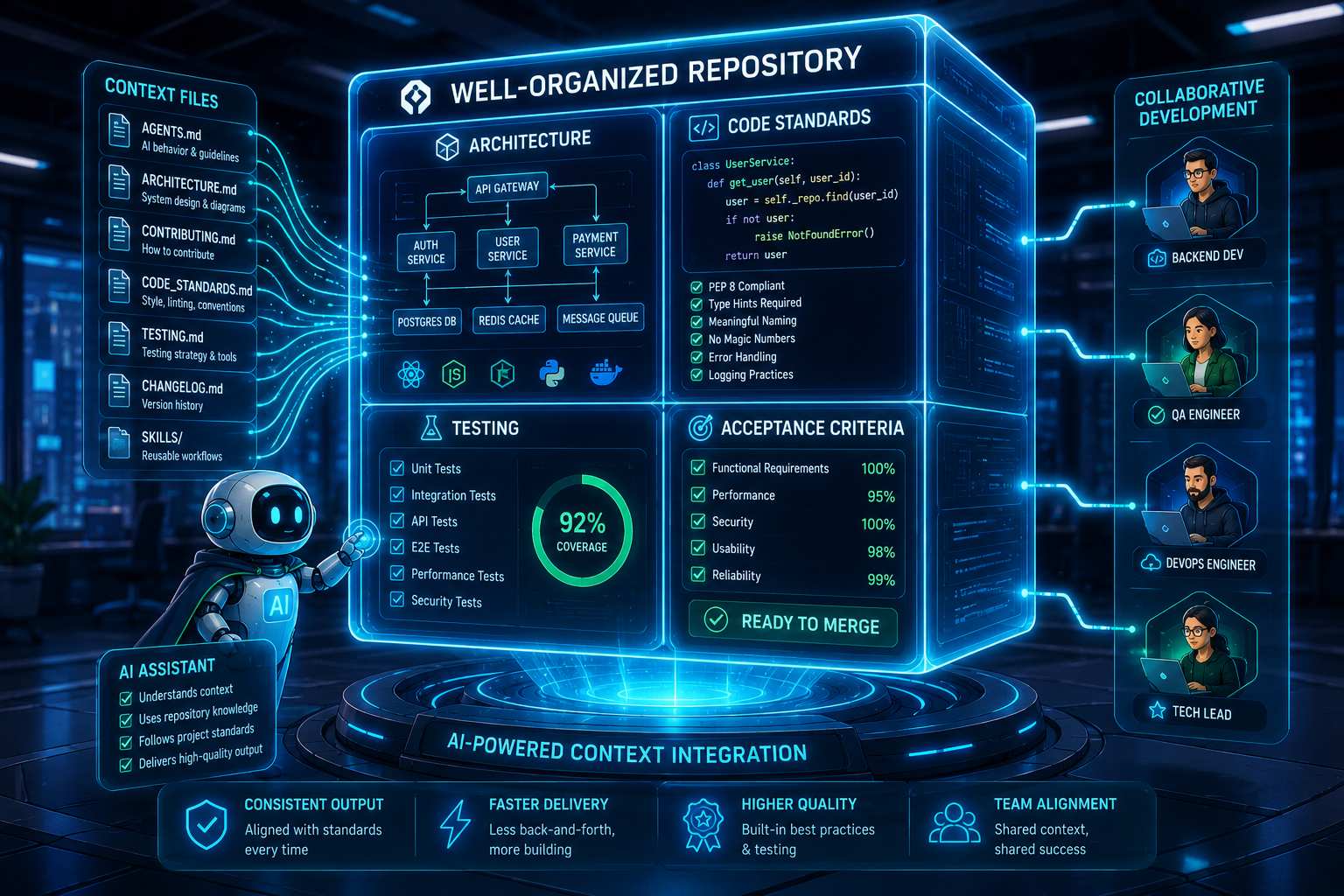
To achieve this, we’ll be using dedicated AI context files to help Antigravity learn project conventions. These files will serve as a single source of truth, providing a clear understanding of the project’s architecture, coding standards, testing rules, and acceptance criteria. By doing so, we avoid the common pitfall of repeated explanations and miscommunication.
But what does this mean in practice? Let’s break it down:
- Architecture: We’ll define the high-level structure of our project, including the components, their relationships, and the flow of data. This will ensure that everyone involved is on the same page, from developers to stakeholders.
- Coding Standards: Our coding standards will dictate the formatting, naming conventions, and best practices for writing code. This will maintain consistency across the project and simplify code reviews.
- Testing Rules: We’ll establish a set of rules for writing and running tests, ensuring that our code is robust, reliable, and meets the required standards.
- Acceptance Criteria: By defining clear acceptance criteria, we’ll ensure that our project meets the expected outcomes and requirements.
By following these best practices, we’ll create a repository that’s not only efficient but also intuitive. And when it comes to Antigravity CLI best practices, we’ll integrate this knowledge seamlessly into our project structure. This will empower our team to work together more effectively, making the most of our time and expertise. With a well-engineered repository, we’ll be able to focus on what matters most – building innovative solutions that change the game.
Skill-Based Workflow
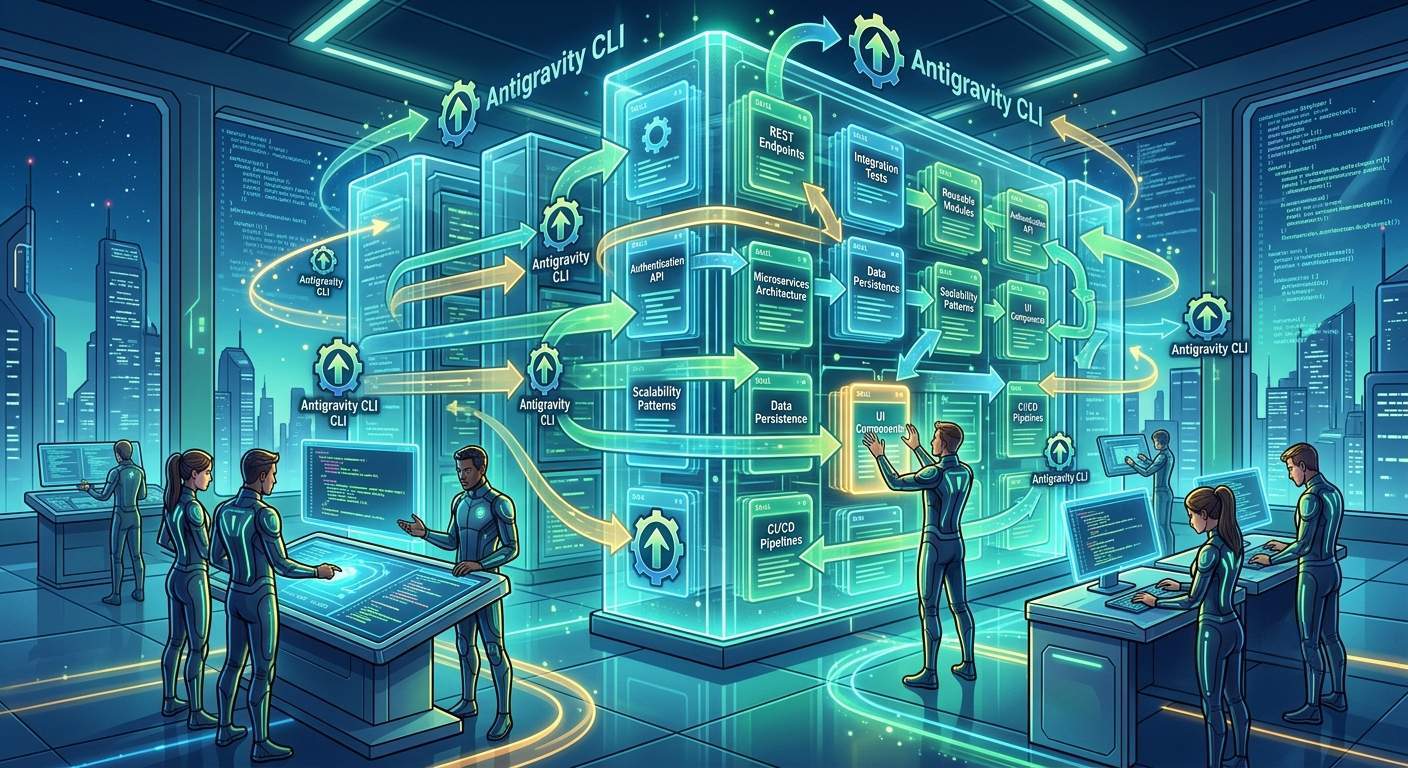
In the ever-changing landscape of software development, companies often find themselves bogged down by repetitive workflows. Whether it’s implementing REST endpoints or writing integration tests, these tasks can take up valuable time and resources. But what if you could break free from these constraints and create a more efficient, scalable workflow?
That’s where Skill-Based Workflow comes in. By defining reusable skills for repetitive company workflows, you can streamline your development process and reduce the time it takes to complete tasks. Imagine having a library of pre-built skills that you can easily access and apply to new projects.
The Power of Antigravity CLI Best Practices
To keep agent behavior consistent across teams, it’s essential to follow Antigravity CLI best practices. These guidelines ensure that your skills are executed consistently, regardless of who is using them. By adopting Antigravity CLI best practices, you can create a culture of consistency and collaboration within your organization.
Centralized Skill Storage
To take your Skill-Based Workflow to the next level, it’s crucial to store your skills in a centralized location. This allows you to easily access and manage your skills, making it simple to reuse them across projects. With a centralized skill repository, you can:
- Reduce skill duplication and inconsistencies
- Improve collaboration and knowledge sharing
- Increase productivity and efficiency
By defining reusable skills, following Antigravity CLI best practices, and storing skills in a centralized location, you can create a more efficient, scalable workflow that drives business success. Say goodbye to repetitive workflows and hello to a more agile, adaptive development process.
Loop Engineering
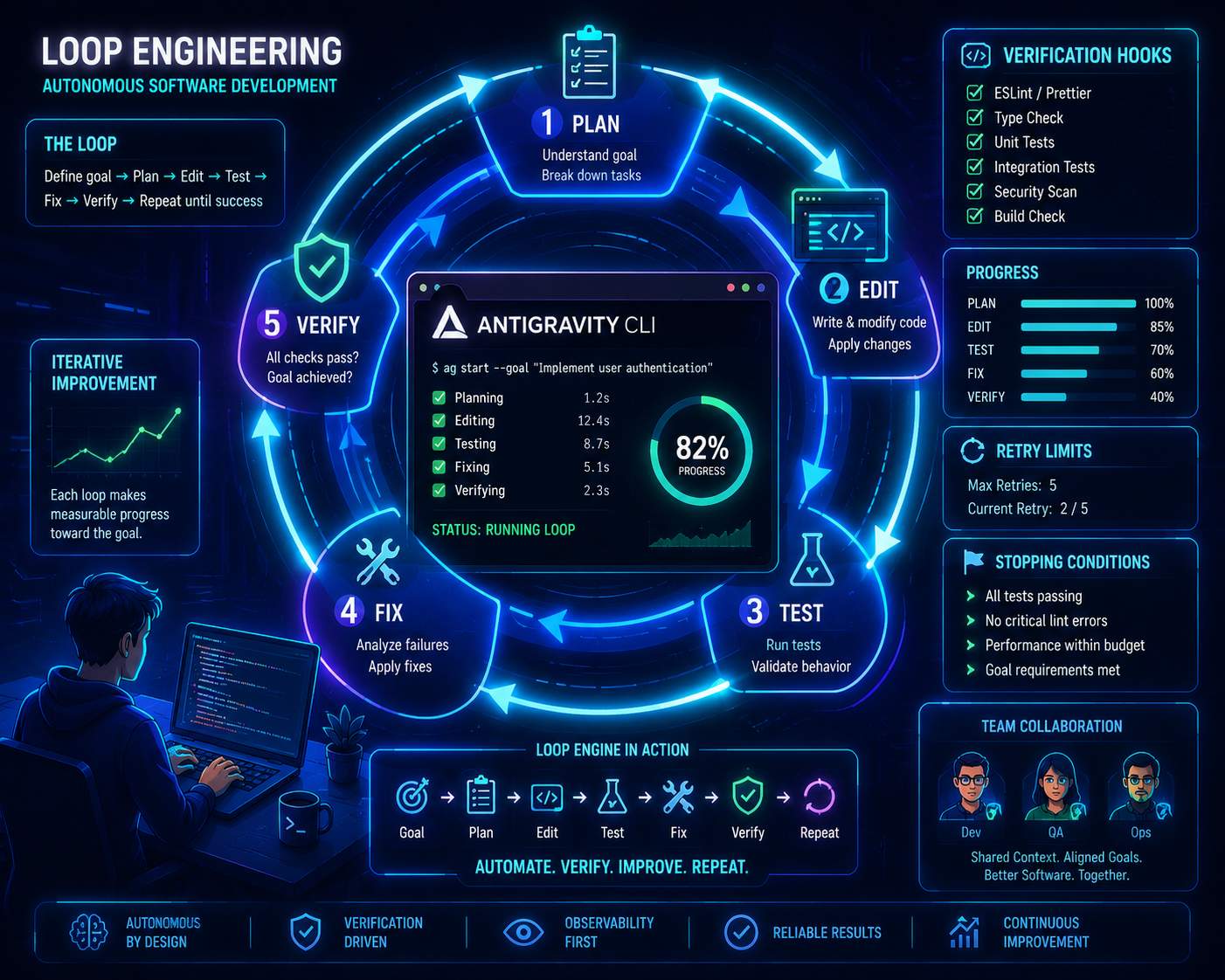
Loop engineering is a revolutionary approach to software development that ensures smooth execution, mitigates risks, and boosts productivity. By embracing this practice, you’ll redefine the way you tackle complex projects, and achieve unparalleled success. Let’s dive into the key components of loop engineering and explore how you can incorporate it into your workflow.
Adopting Loop Engineering Practices
The foundation of loop engineering lies in defining clear objectives, verification steps, retry limits, and stopping conditions. This framework enables you to establish a structured approach to software development, eliminating guesswork and reducing errors. By setting well-defined goals, you create a North Star that guides your team through the development process.
Using Antigravity CLI for Optimal Results
The Antigravity CLI is a powerful tool that streamlines the planning, editing, testing, and fixing phases of loop engineering. By leveraging its features, you can plan your project with precision, edit and refine your code with ease, test and validate your results with confidence, and fix any issues that arise with minimal fuss. Antigravity CLI best practices emphasize the importance of iterative development, continuous testing, and incremental improvement. By following these principles, you’ll ensure that your project stays on track, meets its objectives, and delivers exceptional results.
Making Verification an Integral Part of the Development Loop
To further enhance the loop engineering process, integrate verification into your development workflow using Hooks and MCP integrations. This approach allows you to automate testing, monitor progress, and receive real-time feedback, ensuring that your project stays on course. By making verification an integral part of the development loop, you’ll catch errors early, reduce the risk of costly rework, and deliver high-quality software that meets the needs of your users.
Verification and Security
In today’s fast-paced world of AI development, security and verification are no longer nice-to-haves, but must-haves. That’s why we’re taking a proactive approach to ensure our AI agents are protected from potential threats.
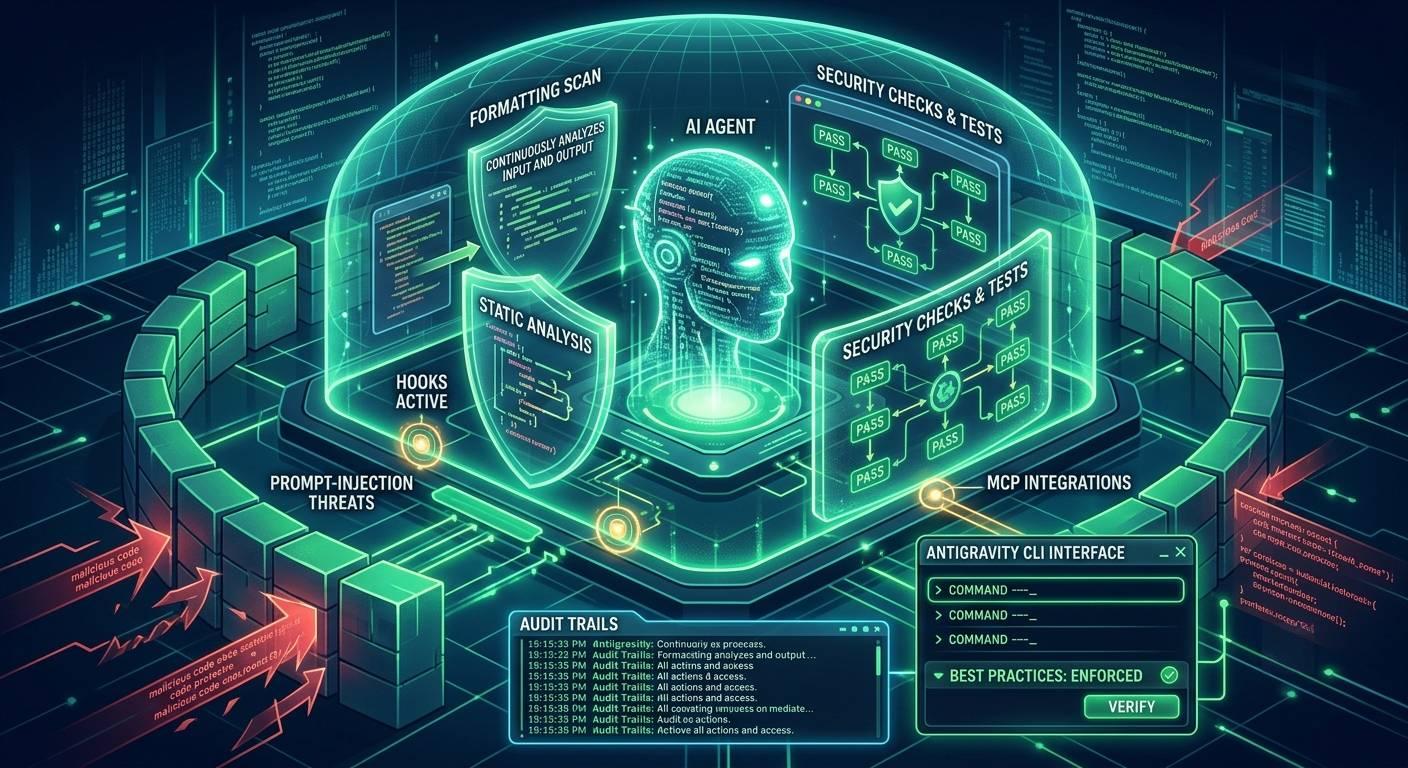
To achieve this, we’re leveraging Hooks and MCP integrations to automatically run formatting, static analysis, security scanning, and test suites. These checks happen in real-time, guaranteeing that every change that’s made is thoroughly vetted before it’s deployed. This means we can catch potential issues before they become problems, reducing the risk of downtime and data breaches.
But that’s not all. We’re also treating AI agents as privileged automation by sandboxing tool access and reviewing proposed changes. This not only ensures that our agents are only accessing the tools and data they need to perform their tasks, but also gives us a clear audit trail of every change that’s made. We’re not just talking about keeping an eye on our agents – we’re also giving them the tools they need to do their jobs safely and efficiently.
And let’s not forget about Antigravity CLI best practices. By following these best practices, we can ensure that our CLI is not only secure, but also easy to use and maintain. This means that our developers can focus on building great AI agents, without worrying about the underlying infrastructure.
Finally, we’re protecting against prompt-injection and malicious MCP/tool inputs. This means that even if someone were to try and inject malicious code into our system, our security measures would catch it and prevent it from causing any harm. With our robust security measures in place, you can trust that your data is safe and your AI agents are running smoothly.
Software Teams Will Never Be The Same
The landscape of software development has forever changed with the emergence of AI-powered tools. Among these tools, Antigravity CLI has revolutionized the way teams work. The highest-performing software teams will standardize AI repository structure, reusable Skills, automated verification, and loop engineering practices to stay ahead of the curve. By embracing these changes, teams can unlock unprecedented levels of efficiency and productivity.
By following Antigravity CLI best practices, teams can transform Antigravity into a repeatable engineering platform, rather than just another coding assistant. This shift in mindset enables teams to streamline their workflows, reduce manual errors, and focus on high-impact tasks. Effective use of Antigravity CLI requires a combination of technical knowledge, process standardization, and a willingness to adapt to new workflows.
As teams begin to integrate Antigravity CLI into their daily operations, they’ll experience a significant boost in productivity and collaboration. Developers can work together in real-time, leveraging Antigravity CLI’s automated features to speed up the development process. Moreover, the ability to standardize AI repository structure and reusable Skills empowers teams to scale their projects with ease, without compromising on quality.
To truly harness the potential of Antigravity CLI, teams must be willing to adopt new processes and workflows. This includes embracing a culture of continuous learning, experimentation, and iteration. By doing so, teams can ensure that their use of Antigravity CLI remains effective, efficient, and aligned with their long-term goals. The future of software development has arrived, and teams that adapt to this new paradigm will be the ones that thrive.