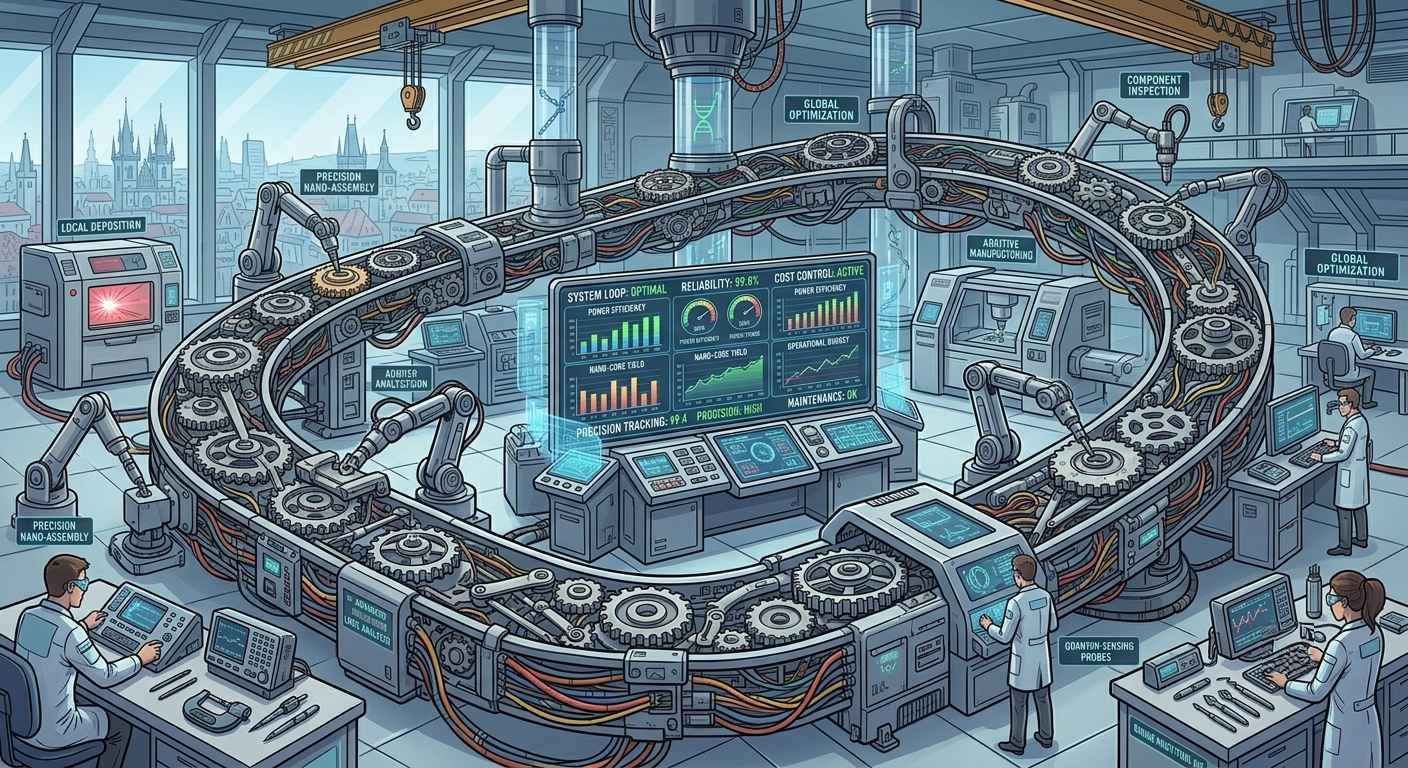
Loop engineering is a game-changing approach to working with AI agents. It’s the practice of designing the control loop around an AI agent, effectively streamlining how work is discovered, executed, verified, retried, remembered, and stopped. By embracing loop engineering, you can say goodbye to manually writing each prompt and hello to designing an autonomous workflow.
The core idea behind loop engineering is to optimize one interaction. This might sound simple, but it has the potential to revolutionize the way you work with AI. Imagine being able to design a workflow that adapts to your needs, learns from its mistakes, and improves over time. That’s exactly what loop engineering offers.
So, what does this mean in practice? With loop engineering, you can automate the process of finding the right data, executing the correct actions, and verifying the results. This not only saves time but also reduces the risk of human error. Plus, by building a feedback loop, you can continuously refine your AI agent’s performance, ensuring it gets better with each iteration.
By adopting loop engineering, you can shift your focus from writing individual prompts to designing a high-level workflow. This allows you to scale your AI-powered projects more efficiently, tackle complex tasks, and achieve greater productivity. Whether you’re a developer, a data scientist, or a business leader, loop engineering offers a powerful tool for streamlining your work with AI agents. As the field continues to evolve, one thing is clear: loop engineering is here to stay, and it’s poised to transform the way we work with AI forever.
Key Components of a Production Loop
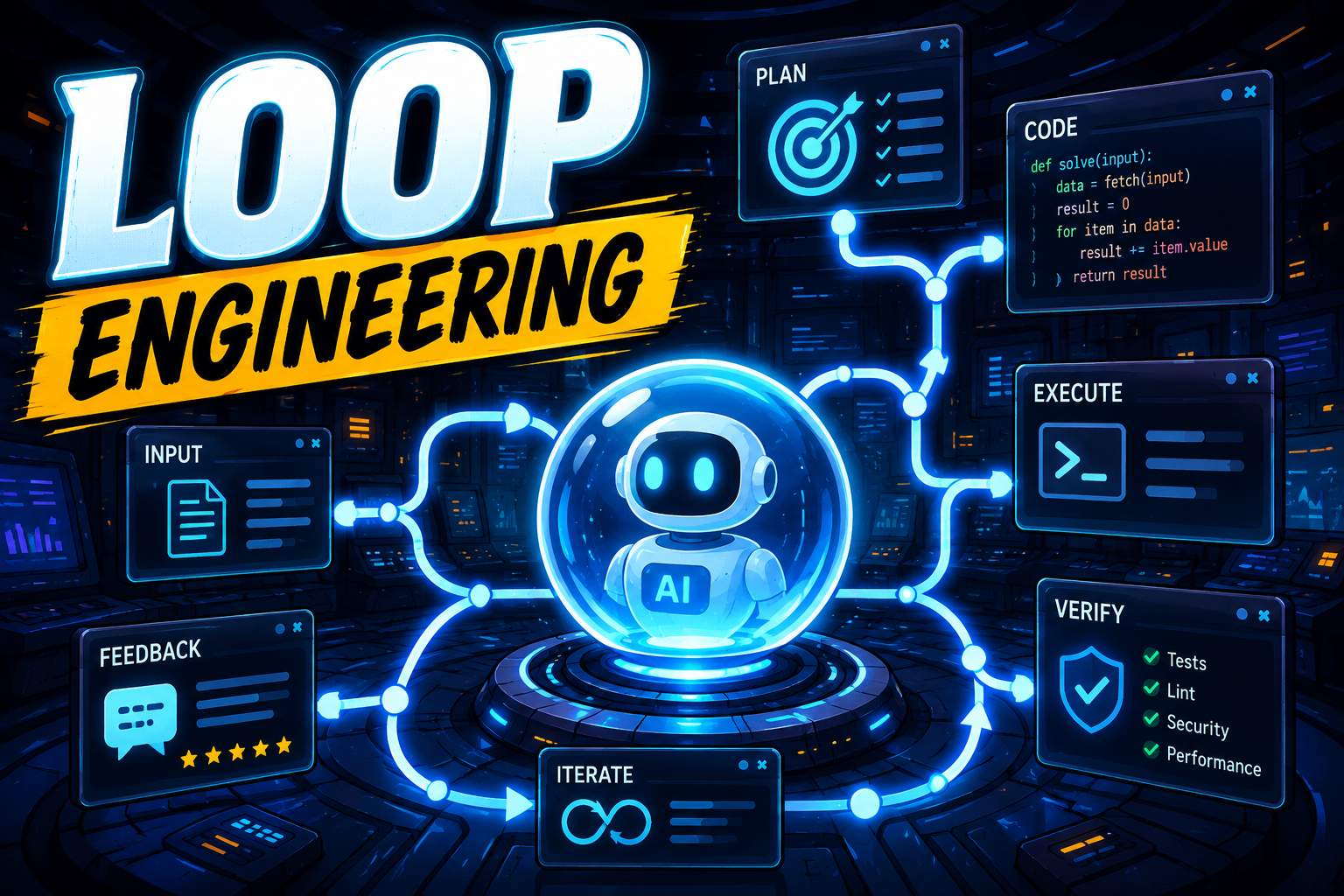
A trigger sets off the loop. Without a catalyst, the entire process remains stagnant. This could be a sensor detecting a change in temperature, a user input, or even a scheduled event. Whatever the trigger, it’s the spark that ignites the production loop, signaling the start of the workflow.
A clear goal defines success. What are we working towards? What are the expected outcomes? Having a well-defined objective ensures everyone involved is on the same page, working towards the same end result. This clarity is crucial for measuring progress and determining whether the loop is functioning as intended. Loop engineering involves crafting these goals with precision, taking into account the intricacies of the process.
Context is essential for task understanding. There’s no one-size-fits-all approach to production loops. Each task has its unique requirements, and the context in which it operates plays a significant role in determining the approach. This could include factors like the target audience, available resources, and any regulatory or industry-specific constraints. By understanding this context, teams can tailor their approach to suit the specific needs of the task.
Tools are necessary for execution and verification. Without the right equipment, the production loop remains idle. This could include software, hardware, or even manual processes. The key is to select tools that not only facilitate the workflow but also enable verification. Verification ensures reliability, and in the absence of it, the loop is prone to errors and inconsistencies.
Verification ensures reliability. By continuously testing and validating the production loop, teams can ensure that it’s functioning as intended. This involves monitoring the workflow, identifying and addressing any issues that arise, and making adjustments as needed. By doing so, teams can build trust in the process and establish a robust production loop that delivers results consistently.
Differences from Coding Assistants
When comparing coding assistants to AI-powered agents, it’s essential to understand the vast differences in their capabilities. Code assistants, like traditional coding tools, rely heavily on user input and manual editing. They might provide suggestions or auto-complete code snippets, but ultimately, it’s up to the developer to take charge and refine the code.
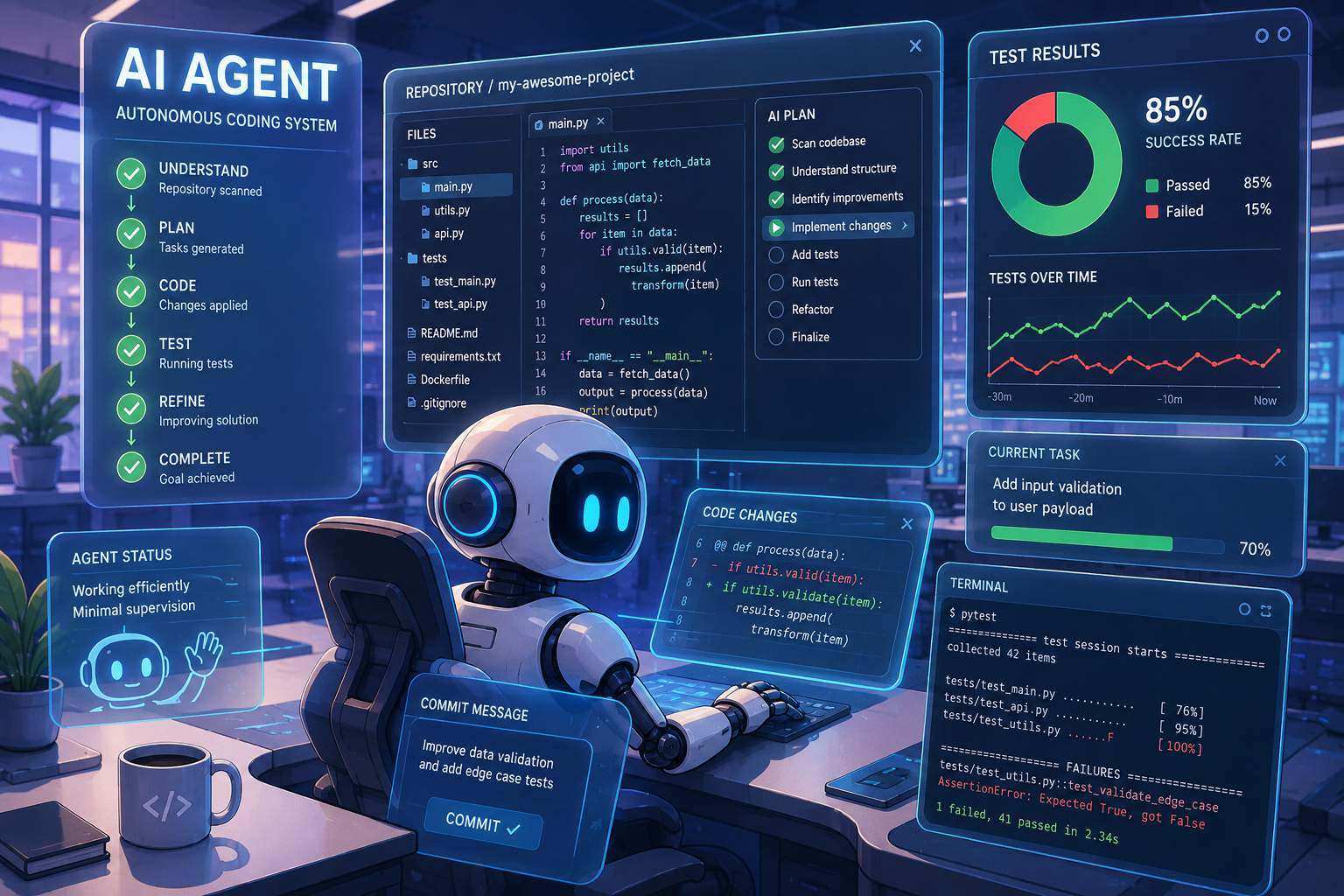
In contrast, AI-powered agents take a more hands-on approach. They can inspect entire repositories, identifying areas that need improvement and making targeted edits to multiple files at once. This level of automation is a game-changer for developers who struggle with tedious tasks or need to meet tight deadlines.
Modern agents have also evolved to include advanced testing capabilities. They can run complex tests, identify failures, and even fix issues on their own, all with minimal oversight. This not only saves developers time but also reduces the likelihood of human error.
At the heart of this shift is the concept of Loop engineering. This innovative approach focuses on designing efficient workflows, rather than trying to craft the perfect prompt. By streamlining interactions with AI agents, developers can unlock their full potential and work smarter, not harder. By embracing Loop engineering, developers can create more effective workflows that integrate seamlessly with AI agents, unlocking new levels of productivity and efficiency. By automating routine tasks and focusing on high-level design, developers can concentrate on what matters most – creating innovative solutions that drive real value.
Challenges in Loop Engineering
When it comes to loop engineering, it’s often said that with great power comes great responsibility. And when we’re talking about loops that iterate thousands of times, it’s easy to see why reliability is a major concern. The biggest challenge is ensuring that our loops are rock-solid, and one way to do that is through robust verification and guardrails.
Think of verification like a quality control check – we want to make sure that our loop is working as intended, without any pesky bugs or unexpected behavior. And guardrails? Those are the safety nets that catch us when we’re pushing the limits of what’s possible. They help us avoid catastrophic failures and ensure that our loop doesn’t spin out of control.
But even with the best verification and guardrails in place, there are still risks involved in loop engineering. That’s why human approval is necessary before accepting any changes, no matter how small they may seem. It’s a crucial step in the process that helps prevent rogue loops from wreaking havoc on our systems.
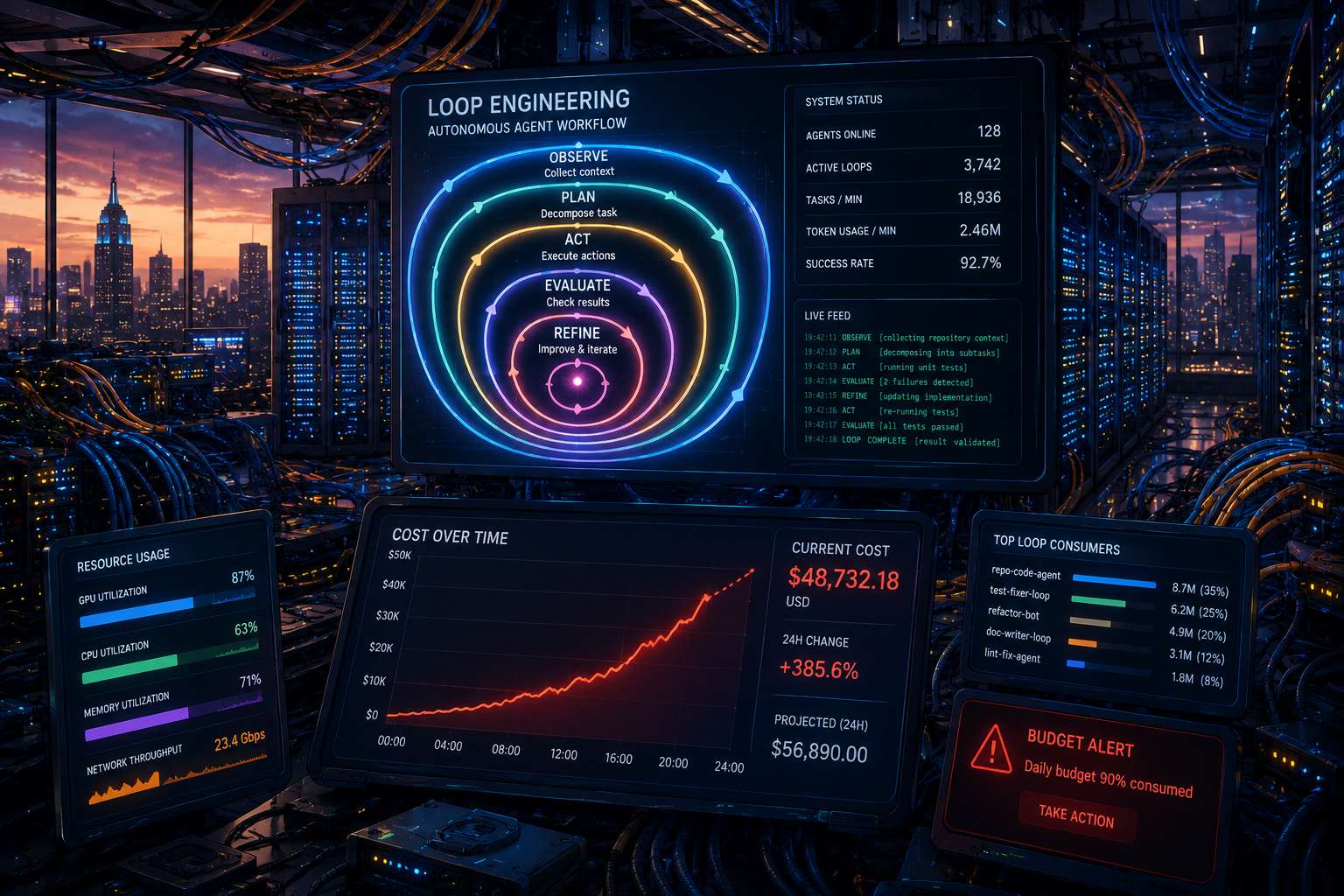
And then there’s the issue of token resources. Long-running loops can consume enormous amounts of these precious resources, leaving our systems vulnerable to costly downtime and performance degradation. It’s a challenge that requires careful planning and management, but the payoff is well worth it – after all, a well-optimized loop is like a well-oiled machine, humming along with precision and efficiency.
Ultimately, loop engineering is all about finding that delicate balance between power and responsibility. By prioritizing reliability, verification, and resource management, we can create loops that are not only fast and efficient but also safe and secure. It’s a challenge worth taking on, and with the right approach, we can unlock the full potential of our loops and take our systems to the next level.

Commercial Considerations
Long-running loops can benefit AI providers financially, but they come with a significant cost. The more tokens and resources an AI model consumes, the higher the financial gain for the provider. However, this also means that the model’s performance and accuracy can be compromised if it’s allowed to run indefinitely.
Practical implementations must enforce token budgets and iteration limits to prevent excessive usage. This approach not only helps control costs but also ensures that the model remains efficient and effective. By setting a token budget, developers can guarantee that the model will not exceed a certain number of computations, thereby preventing unnecessary expenses.
Loop engineering plays a crucial role in optimizing long-running loops. By carefully designing the loop’s structure and workflow, developers can minimize the number of iterations required to achieve a desired outcome. This approach can significantly reduce the computational cost and make the model more cost-effective.
Stopping rules are essential for cost control in AI models. By implementing rules that determine when to stop the loop, developers can prevent the model from consuming excessive resources and incurring unnecessary costs. This approach also helps prevent overfitting and ensures that the model remains generalizable to new data.
In addition to loop engineering and stopping rules, developers must also consider the trade-off between model performance and cost. By carefully balancing these factors, developers can create AI models that are both effective and cost-efficient. This requires a deep understanding of the model’s underlying mechanics and a willingness to experiment and refine the design.
Conclusion
As we’ve explored the world of loop engineering, it’s essential to remember that this is an evolution, not a replacement for the fundamental building blocks of AI: prompt and context engineering. These three components – agent, loop, and context engineering – are interconnected and crucial for creating seamless, efficient, and effective AI systems.
One of the most significant takeaways from our discussion is that success in loop engineering depends on several key factors. First and foremost, it’s crucial to have measurable verification in place. This allows you to track the performance of your AI system, identify areas for improvement, and make data-driven decisions to refine its functionality. Automation is another vital component, as it enables you to streamline processes, reduce manual intervention, and increase operational efficiency.
However, it’s not just about getting the technology right – it’s also about keeping costs under control. Practical implementations of loop engineering must prioritize reliability and cost control. This means investing in robust infrastructure, optimizing resource allocation, and continually monitoring performance to avoid costly errors or downtime.
By focusing on these key areas, you can unlock the full potential of loop engineering and create AI systems that are responsive, adaptable, and scalable. Remember, loop engineering is a crucial step in the AI journey, but it’s not a destination in itself. By combining it with the principles of prompt and context engineering, you can build AI systems that truly deliver results and drive business success.