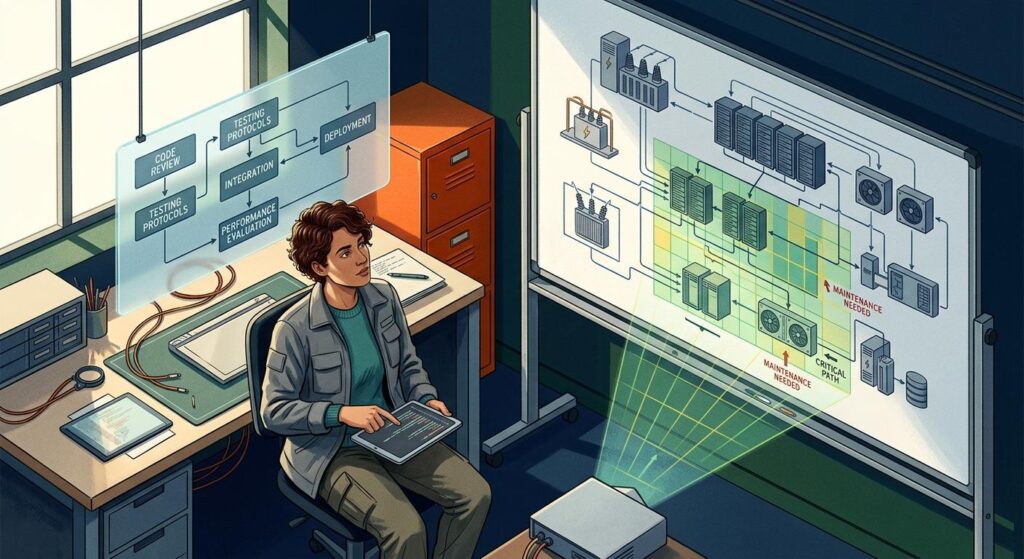
The reliance on AI-assisted development has accelerated software implementation at an unprecedented rate. This increased velocity has led to a significant reduction in developers’ median task-completion time, with some reports indicating a decrease of more then 30%.
However, as engineers become increasingly dependent on AI to generate and explain code, a new challenge emerges. Comprehension debt is accumulating, and it’s a serious issue. It arises when developers rely too heavily on AI-generated solutions without developing the mental models needed to debug and evolve the system themselves.
The problem with AI generated code technical debt is that it can lead to a lack of understanding about how the code works. This makes it difficult for developers to make changes or fix issues when they arise. It’s a fragile foundation, and it can be costly to repair.
The Importance of Understanding Over Speed
When it comes to AI-generated code, some concerns are worth addressing. Research highlights specific risks, such as security vulnerabilities, repetitive structures, unused constructs, and maintainability concerns. These issues aren’t inherent to AI-generated code itself, but rather to how it’s implemented and managed.
Measuring understanding in AI-driven development is crucial. Simply relying on code coverage or AI-generated output won’t cut it. Instead, teams should look at strong tests, architecture documentation, observability, runbooks, ownership, and engineers’ ability to explain critical system behavior. This provides a more comprehensive view of how well the code is understood.
The goal isn’t to comprehend every single line of code. It’s about ensuring that critical software remains understandable enough to debug, operate, change, and take responsibility for. This means investing time in understanding the system as a whole, rather than just focusing on individual lines of code.
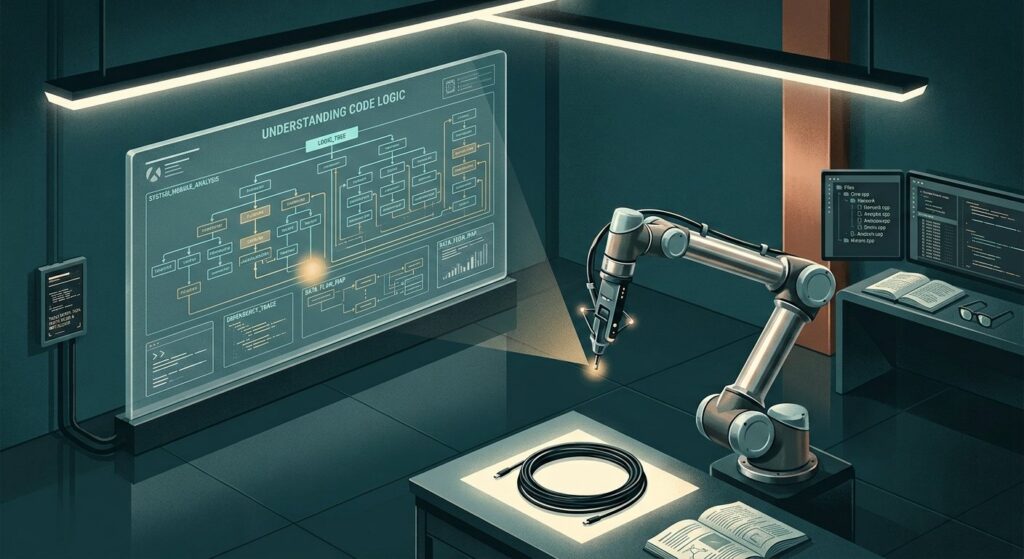
The Consequences of Ignoring AI Generated Code Technical Debt
Architecture ownership becomes harder when nobody can clearly explain why a service, abstraction, dependency, or data flow exists, even if an AI agent can successfully modify it.
As AI accelerates development, traditional technical debt also grows. Gartner specifically identifies architectural technical debt from extensive AI coding-agent use as an emerging engineering-management problem.
This situation becomes particularly alarming during incidents, when engineers must understand unfamiliar AI-generated abstractions, dependencies, data flows, and failure modes under production pressure. The lack of clarity and understanding leads to unnecessary stress and increased risk of making the situation worse.
In such cases, relying solely on the AI agent for fixes can exacerbate the issue, as it may not be able to identify the root cause of the problem or provide meaningful insights into the system’s behavior. Instead, it may only offer temporary or superficial solutions that conceal deeper issues.
The danger lies not only in the short-term consequences of ignoring AI-generated code technical debt but also in the long-term effects on the overall quality and maintainability of the system.

Measuring Understanding in AI Driven Development
Strong tests, architecture documentation, and observability are essential for understanding AI generated code. These tools provide a clear picture of how the code works, making it easier for engineers to explain and manage critical system behavior.
Runbooks and ownership are crucial for ensuring engineers can explain and manage critical system behavior. A well-maintained runbook outlines the procedures for resolving common issues, while clear ownership helps to identify who is responsible for managing the system. This level of transparency is key to understanding the inner workings of the code.
Engineers’ ability to explain critical system behavior is a key indicator of understanding. By being able to describe how the code functions and interacts with other systems, engineers demonstrate a deeper grasp of the technology. This is particularly important when dealing with AI generated code technical debt, where the complexities of the code can be overwhelming.
Without strong documentation, testing, and observability, it’s difficult to pinpoint the root causes of issues, leading to frustration and a lack of trust in the system. Runbooks and ownership help to mitigate these problems by providing a clear framework for managing the system. By focusing on these essential tools, engineers can build confidence in their understanding of the code and make more informed decisions about how to manage AI generated code technical debt.

Addressing AI Generated Code Technical Debt
Developers must develop the mental models needed to debug and evolve AI generated systems. Automation and tools should augment human understanding, not replace it.
When you rely solely on AI generated code, you’re essentially building a house of cards, with complex systems held together by fragile assumptions and limited understanding. This is where the real risk of technical debt lies – not in the speed or efficiency of the code, but in the depth and accuracy of the knowledge behind it.
Code generated by AI systems requires more than just syntax and structure. It demands a deep understanding of the underlying mechanics, the nuances of the problem, and the implications of every decision. Human developers must learn to think critically about code, questioning its assumptions and verifying its accuracy.
To avoid the pitfalls of AI generated code, it’s essential to supplement these systems with human explanation and documentation. This is not a matter of adding unnecessary overhead, but rather a crucial step in building trust and confidence in the code. By combining the strengths of human developers with the capabilities of AI, we can create systems that are more robust, more maintainable, and more reliable.

Navigating AI Generated Code Technical Debt
Understanding is key to managing AI generated code technical debt. Teams must prioritize comprehension over speed and efficiency.
As AI generated code becomes increasingly prevalent, the importance of understanding how it works cannot be overstated. Engineers need to grasp the intricacies of the code they produce, rather than simply relying on the technology to generate it. This proactive approach ensures that systems remain maintainable and reliable.
When engineers focus solely on speed and efficiency, they risk overlooking the long-term implications of their code. AI generated code can be complex and difficult to debug, making it even more crucial for teams to understand the underlying mechanics. By taking the time to comprehend the code, engineers can identify potential issues before they become major problems.
In the rush to produce high-quality code, it’s tempting to rely on AI to do the heavy lifting. However, this approach can lead to a lack of transparency and accountability, making it harder to identify and fix technical debt. By prioritizing understanding, teams can ensure that their code is not only efficient but also maintainable and reliable.