Transform Your AI Outputs with LLM Observability

By 2028, 60% of software engineering teams will use AI evaluation and observability platforms – up from just 18% in 2025. The future of software engineering is rapidly evolving, and…

By 2028, 60% of software engineering teams will use AI evaluation and observability platforms – up from just 18% in 2025. The future of software engineering is rapidly evolving, and…

The adoption of AI in the engineering world has reached a boiling point. We’re not talking about early adopters or pioneers – we’re talking about the norm. Around 90% of…

The Context Gap in AI Assisted Programming The biggest limitation of modern AI assisted programming tools is not intelligence – it is context. While tools like Claude or IDE agents…

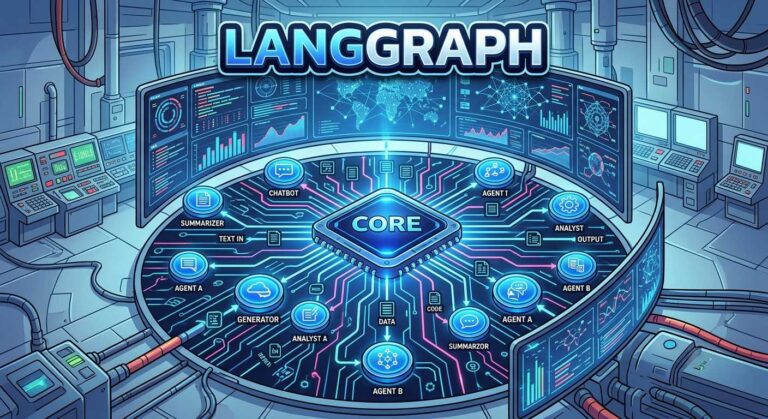
Resilience engineering is crucial for LLM reliability in production environments. This involves handling various types of failures, such as rate limits, timeouts, and model-specific errors, to ensure a seamless user…

Semantic search over local Markdown documentation is a common backend requirement. Traditional tools like grep work well for keyword matching, but they fail when the query requires intent understanding. This…

Standup notes are where productivity often goes to die. They live in Slack or Notion for ten minutes, get buried by the next thread, and action items quietly disappear into…

When it comes to Large Language Models (LLMs), the excitement about their potential is often matched only by the sticker shock of their production costs. It’s not uncommon for businesses…

Imagine having a conversation with an AI that can not only understand what you’re saying but also provide accurate and relevant information on the fly. This is made possible by…

Agentic AI 2026 marks a significant shift towards autonomous AI agents in industries worldwide. This year is framed as the “year of agentic AI,” emphasizing goal-directed autonomy. Analysts forecast a…